Green Brief: It’s Time to Become World Citizens
Published 1:30 am Wednesday, October 27, 2021

Editor’s Note: Green Briefs commentaries regularly appear in The Beachcomber through a partnership with the Whole Vashon Project. Find out more about the work of this organization at wholevashonproject.com.
Whole Vashon Project’s Green Briefs commentaries usually focus on what we can do here in our community to be more sustainable and resilient in the face of the climate crisis.
That may put us in the best position to cope with future challenges, but the scale of those challenges depends almost entirely on what all of humanity decides to do now. That means that you and I must write letters, make calls, join and support groups (such as the sunrisemovement.org, honorearth.org, or 350.org), or march right now to influence the decisions made at the upcoming global climate summit.
At COP 26, the UN Climate Summit to be held in Glasgow, Scotland, from Oct 31 to Nov. 12, we are looking at what most scientists consider to be our last chance to begin to avert a climate catastrophe. We’ve known the dangers for 30 years and have done nothing. We suffer from denial and a massive lack of imagination as to what we will face, and how much worse it will be if we don’t begin to act.
This will be the most momentous summit since Paris in 2015. The inadequate pledges of that summit were recently made more stringent but would still have us warming 2.7 degrees centigrade by the end of the century. And they are only pledges, not actions.
On the other hand, with truly dramatic action now, we could cut our emissions by 45% by 2030 and arrive at an honest net zero emissions by 2050, after which we might expect a stabilization of global warming. The total warming at that point would hopefully be somewhere between 1.5 and 2 degrees C.
I recently read “The Upcoming Climate Talks in Glasgow Are a Make-or-Break Moment,” by Tom Athanasiou, originally published in Sierra Club Magazine. It lays out where we are now, what we really should be doing, and what we can realistically hope for.
Given the past record, current world economic and political realities, and the quality of leadership, Athanasiou says we should not expect any dramatic breakthroughs. Nevertheless, he says we can still judge the Glasgow summit a success if certain steps are taken. In the article, Athanasiou named the following criteria.
“We need much stronger national pledges of action, and they will have to be honest.”
The pledges must relate to the real tasks at hand rather than politics, and they must be seriously acted upon.
“There is no path toward climate stabilization without international public finance, and lots of it.”
We know that the “developed countries,” primarily the US and in Europe, are responsible for more than 90% of historic global carbon emissions, and they should be responsible for 90% of the costs of mitigation. Climate change will be worldwide with some of the worst effects being felt by the countries that are least responsible. It is troubling to note that during this pandemic, developed countries have similarly not been able to see that vaccinating the world protects everybody. This summit must reach an agreement that the $100 billion per year needed to enable developing countries to successfully transition to a sustainable world is very much in the interest of us all.
“We must face the loss and damage challenge that lies beyond the limits of ‘adaptation.’”
With or without adaptation, some places will become uninhabitable due to inundation, heat, drought, etc. Economies and fragile democracies may fail. There will be a massive displacement of climate refugees. We can expect that, even here in the US, low-lying coastal areas and major parts of the southwest and southern California will be seriously compromised. Where will these people go and how will we share resources? By preventing what damage and displacement we can, we may avoid major economic and political destabilization down the line. However, loss will occur, and we must ensure that resources will be shared fairly and cooperatively.
Our job before this summit next month is for each of us to write, call and/or hit the streets to demand that serious steps be taken now! It is generally agreed that we will need to reduce our carbon emissions to 45% below 2010 levels by 2030 to have a chance of not exceeding 1.5 degrees C warming. If we can’t make a serious advance on our commitment as a planet at this late date, our chances of escaping disastrous change will be remote.
If you have never acted before, now is the time!
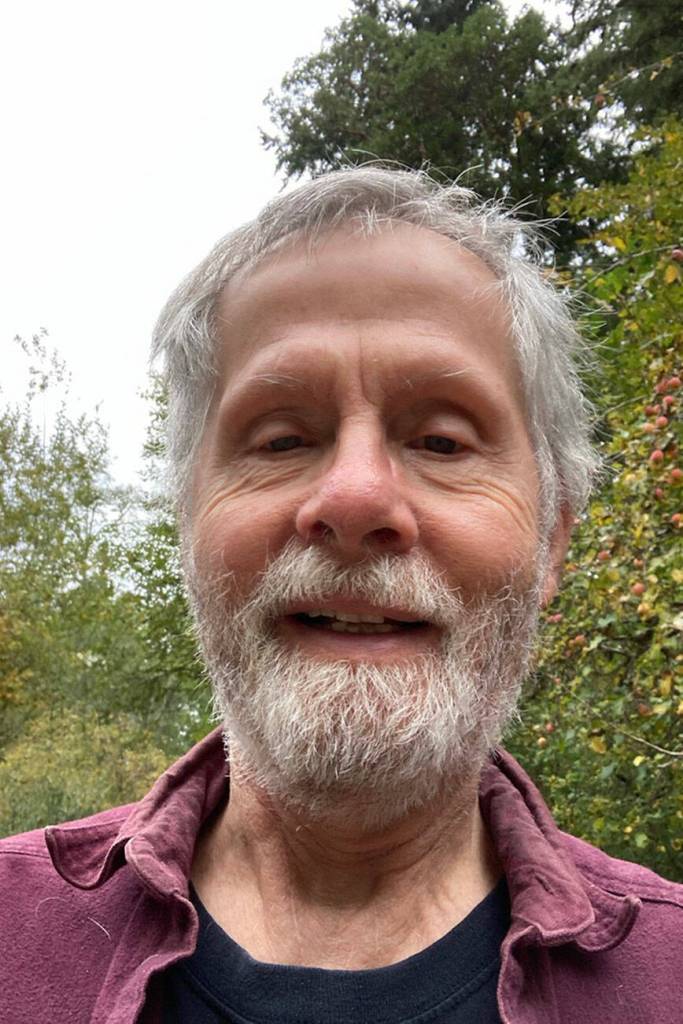
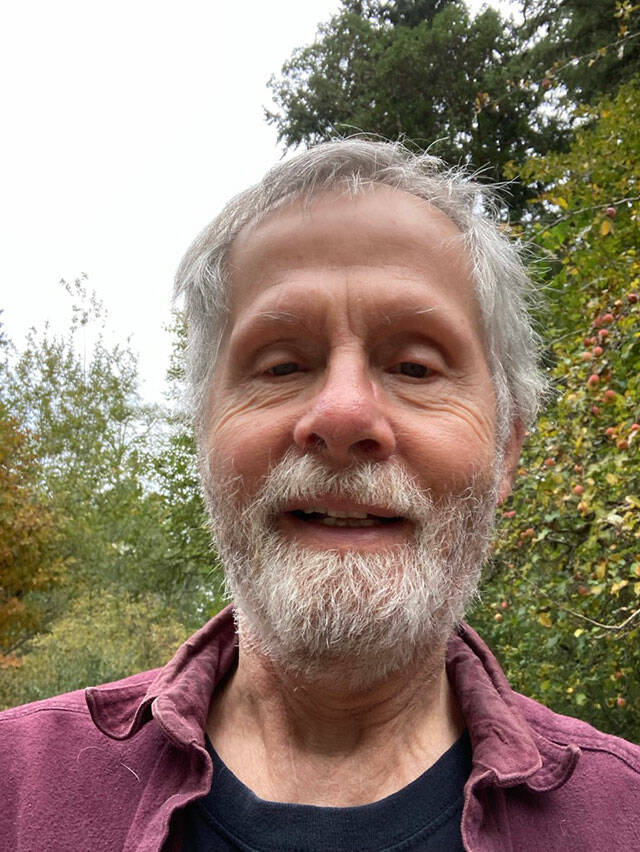
— Terry Sullivan is an island writer and activist with his heart aimed at the planet’s well-being.