COMMENTARY: On the Inevitability of Pain
Published 1:30 am Wednesday, June 1, 2022


There is a story people tell in addiction-recovery circles about a man who falls into a pit.
After falling into the pit, he tries to climb out. But he can’t. He tries jumping up to grab the edge. He can’t do that, either. So he starts calling out for help. Eventually, someone comes by and asks him, “Why did you fall in the hole?”
The man tries to explain, but the person just shakes their head and walks away. A second person comes by and offers advice, but none of it helps. The man is still in the hole. A third person lays down and stretches their arm into the hole, but it’s no use. The hole is too deep. They walk away, too. Eventually, night falls and the man is alone.
The next morning the man begins to cry. How could he have wound up in this situation? Will he ever get out? What about his family? After some time, another passerby stops and looks into the hole. The man jumps to his feet and cries out, “Help me! I can’t get out of this hole!”
The passerby studies the man’s situation silently for a moment and then jumps in the hole with him. “Great!” yells the man. “Now we’re both stuck down here!” “Yes,” replies the passerby. “But I’ve been down here before and I know how to get out.”
It seems we all wind up in a hole of one kind or another at some point in our lives. Usually, life is just a series of holes. If there is one thing I have learned from the people I’ve met, it’s that no one gets out of this life without pain. No one gets out of this life without suffering and scars.
We don’t usually like to think of those whom we dislike, disagree with, or count as our enemies as people who have suffered. We’d rather they be nothing but perpetrators, and imagine ourselves as nothing but righteous sufferers. But it doesn’t take a lot of wisdom or skill to see that can’t be the case. Like the addict, we are all perpetrators and victims simultaneously. And, like the addict, we are often perpetrators of the very pains which we suffer.
The point of the story about the man in the pit is that sometimes the only person who can help us is the person who’s been where we’ve been. That’s why people with deep scars find community among those with similar scars. It’s the place they’ve found help, and God bless them for it.
It’s why addicts commune with other addicts (whatever the addiction may be — and who among us is not an addict?). They believe they’ve found healing for their pain in the community of addiction. And sometimes they’re half right. Some of the most beautiful people you will ever meet are addicted people — just as some of the most harmful people you will ever meet are addicted people. And, again, sometimes those are the same people.
Christian theologian Karl Barth made a career of emphasizing that God is totally free and under no compulsion at all. His decision to become incarnate in Christ, and to suffer and die, was his free decision, void of external constraint. Barth’s student, and in some ways his heir, Jurgen Moltmann asked a provocative question. Certainly, God’s decision to walk among us and suffer and die was his free decision. But if God is love, could he have really made any other?
You and I, fellow islanders, may feel our lives are miles apart (though we live on the same pile of dirt). And in some ways, perhaps, we are. But we also have one thing in common. We are both stuck in this hole we call being human. And maybe we’re the ones, with God helping, to lift each other out.
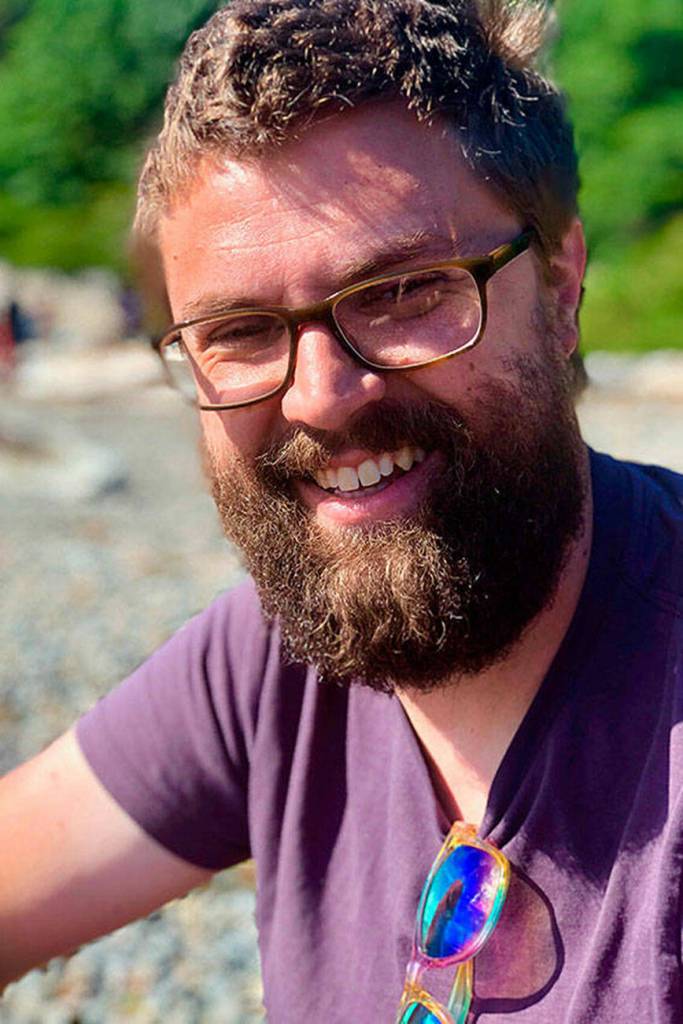
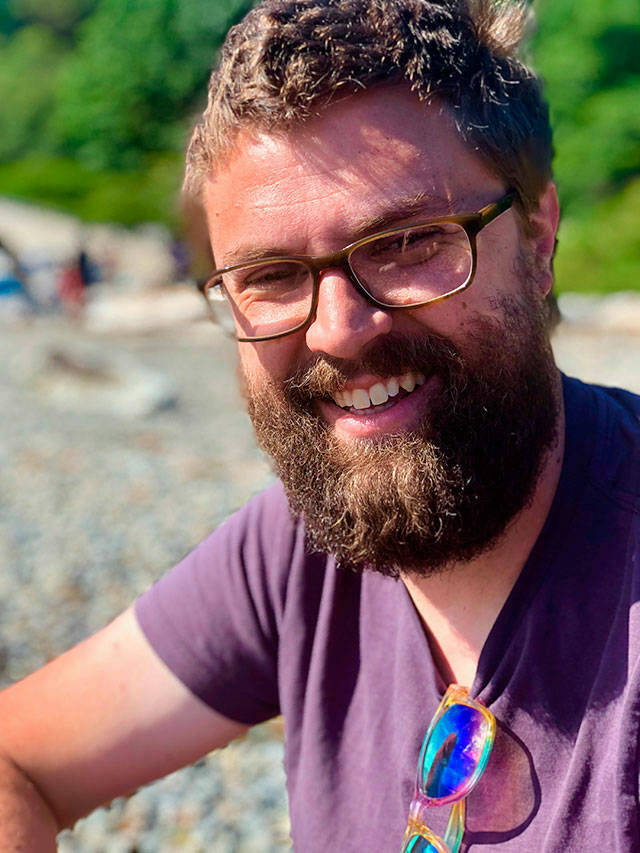
– Mike Ivaska is the pastor of Vashon Island Community Church. He contributes frequent commentaries to The Beachcomber.