Heart screenings, fall prevention and emergency planning
Published 1:30 pm Tuesday, December 2, 2025


Cardiac screenings at VHS, by the numbers
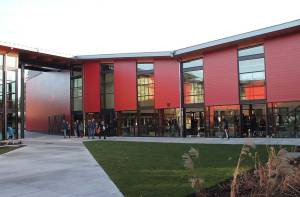
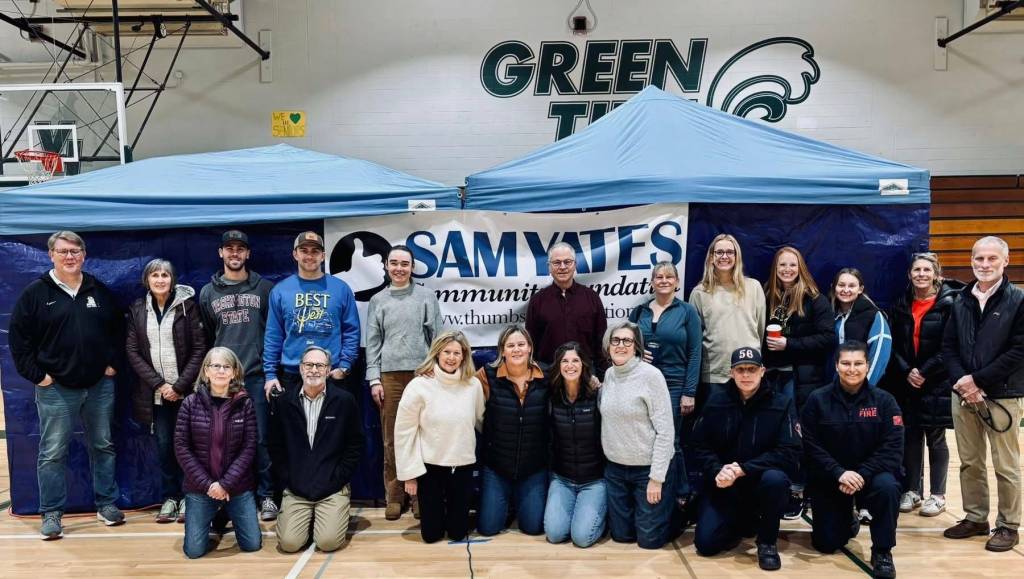
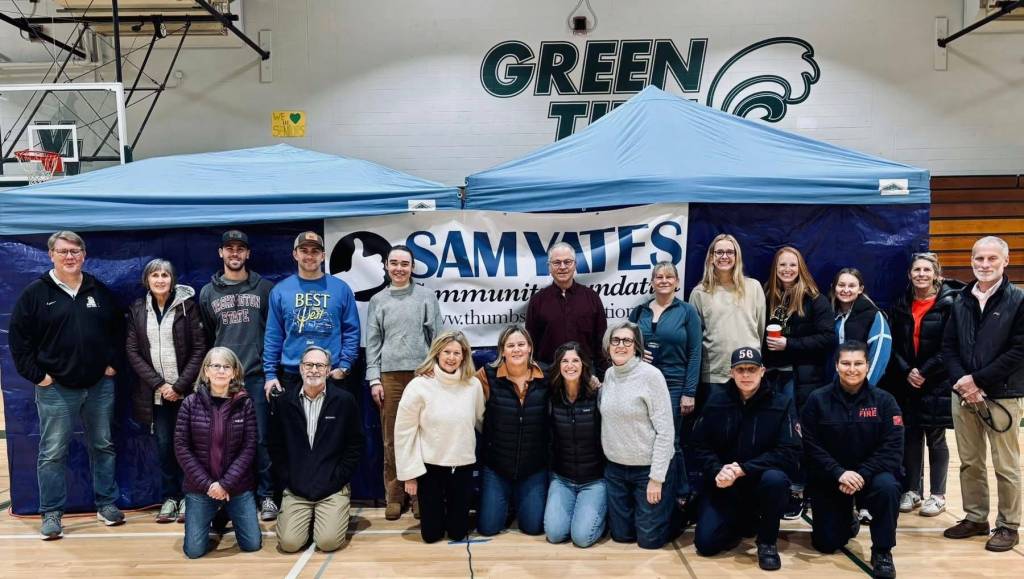
On Nov. 4, students were invited to participate in a special cardiac screening event at Vashon High School (VHS), sponsored by Sam Yates Community Foundation and staffed by 17 expert volunteers.
For details, read a Beachcomber article on the event at tinyurl.com/BC-Yates-2025. The main goal of these events is to increase individual and community awareness of cardiac and other significant health issues affecting students. Weeks after the most recent event, data are now available to show how well this effort is working.
Of the 146 students registered by their parents, 118 students completed the screening. Two students had abnormal electrocardiograms (EKGs) requiring follow-up by a cardiologist. Eleven other students had findings requiring follow-up by their primary caregiver, including significant high blood pressure, a heart murmur or non-cardiac chest pain. All parents received confidential phone calls and/or emails from a volunteer cardiologist with the results.
Students appreciated the services they received, offering feedback including, “This was cool.” “So interesting!” “Worth the time; I learned a lot.” VHS cardiac screening through the Sam Yates Community Foundation and dedicated volunteers will be repeated at least yearly, as new students enter the school.
Dr. Ted Gibbons, one of the cardiologists helping lead the event, noted that while cardiac screening results were normal in about 90% of students, and abnormal EKGs were uncommon, finding them early is key because students can then get a cardiology specialty referral.
Other cardiovascular concerns that have been flagged in 10% of students can be shared with the students and their parents. This family focus on cardiac health can have long-term benefits, such as catching high blood pressure early before it has time to cause organ damage.
Fall prevention for seniors
The slippery season is upon us. Heavy rains and fallen leaves make roads and walkways slicker, and ice and snow can add to the challenge in the winter months.
Each year, more than one out of four older adults (ages 65+) in the U.S. experience a fall. More than half of falls are due to home hazards. About one in five of these falls result in serious injuries, some fatal or life-altering. The good news is that there are steps you can take to help prevent falls:
Keep up your strength by staying physically active. Find an exercise program you enjoy and stick with it. Our bodies are made for walking!
Focus on your surroundings when walking — don’t look at your cell phone when on the move.
Talk with your doctor or pharmacist about medications you are taking, including over-the-counter medications and supplements. Does anything you take increase your fall risk? Are there safer alternatives? Can doses be decreased or eliminated?
Check your home for fall safety. Secure or remove area rugs so they are not tripping hazards. Keep floors and stairs free of clutter, and maintain good lighting. Install grab bars in bathrooms.
Get your vision and hearing checked regularly.
Opt for sturdy, full-coverage footwear with non-slip soles, indoors as well as outdoors.
Use de-icing or ice-prevention treatments before venturing out, when sub-freezing temperatures combine with moisture to make walkways slick.
Use trekking poles, a walking stick or a cane for extra support.
For more information, see tinyurl.com/FedFallPrevention.
The Mobile Integrated Health (MIH) team at Vashon Island Fire & Rescue can visit your home to do a free home safety check, fall risk assessment and/or medications review. Visit vifr.org/mih or call 206-463-2405 to make an appointment.
King County’s Emergency Medical Services Division offers a “One Step Ahead Fall Prevention Program” that provides a free in-home or virtual visit by a fall-prevention health educator.
Islanders qualify if they are 50 or older, can walk (with or without assistive devices) and have fallen within the past six months and called 911. To make an appointment, call 206-263-8544 or email FallPrevention.EMS@kingcounty.gov. For more details, visit tinyurl.com/KCFallPrevention.
Emergency planning for medical devices
Weather-related power outages are more likely in fall and winter, and on our rural island, they can last longer.
What if someone in your household relies on a home electrical medical device? One lucky resident received backup power from Vashon Island Fire & Rescue in March 2024 (tinyurl.com/VIFR-storm-gen). Rather than relying on luck, make your own plan to be resilient before the next bout of stormy weather.
Some examples of critical medical equipment include hospital beds, refrigeration for medicines, dialysis equipment, oxygen concentrators, ventilators, infusion pumps, infant apnea monitors and CPAPs or BiPAPs. Take these steps to have an emergency plan in place before you need it.
Learn the electrical requirements of your medical device. The device manual, manufacturer or your healthcare provider can provide guidance.
Keep the device’s built-in battery charged. Find out how long the battery will last and test it during normal grid-power conditions.
Consider backup power alternatives: a portable battery, a portable power station and/or a small generator. (Two backup power alternatives are even better than only one.) Make sure the power source you choose meets or exceeds the requirements of your device. It may also provide surge protection for your equipment for when the power comes back on.
Apply to Puget Sound Energy (PSE) for Life Support Status. PSE has a Medical Life Support program that gives customers early notification in advance of Public Safety Power Shutoffs. Make sure the contact information in your PSE account is up to date. Visit tinyurl.com/PSE-lifesupport or call 888-225-5773 for information and to enroll.
Make sure others know that you depend on an electrical medical device. Tell a trusted neighbor, family member or friend, and keep their phone numbers handy.
Keep a list of places you could go if you need to charge or operate your device when home power is down.