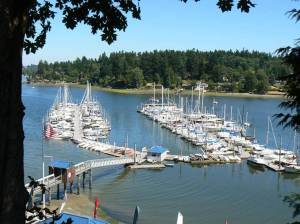
Vashon’s third healthy beach project survey
Published 1:30 pm Tuesday, December 16, 2025



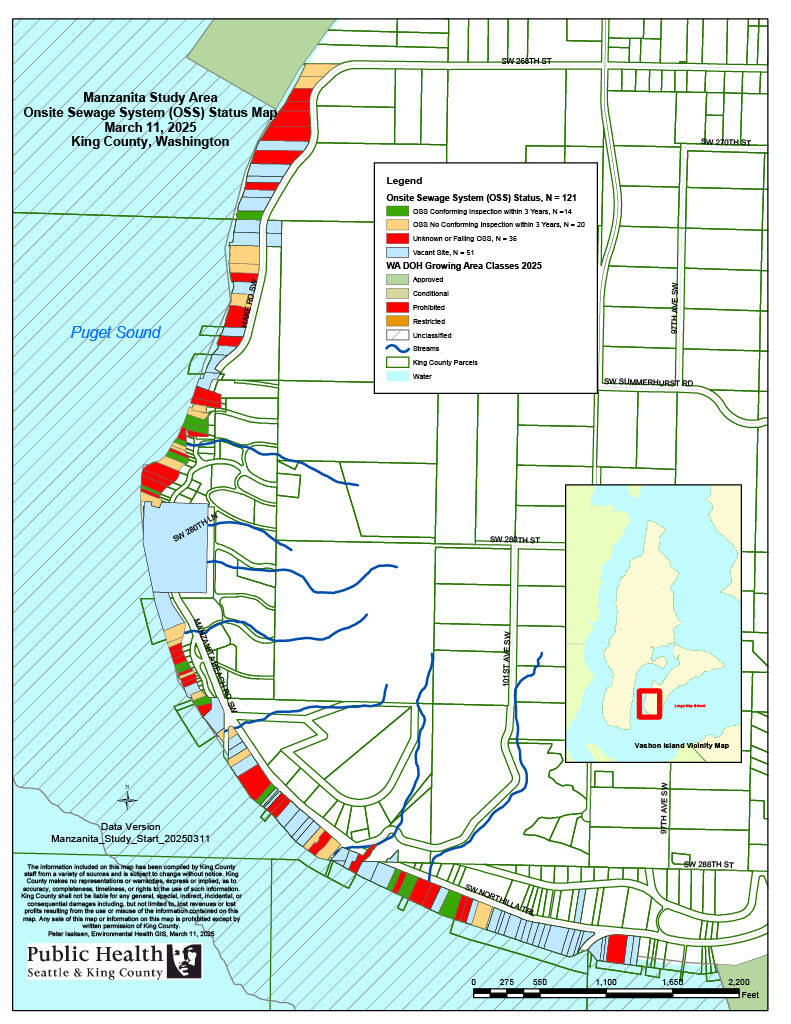
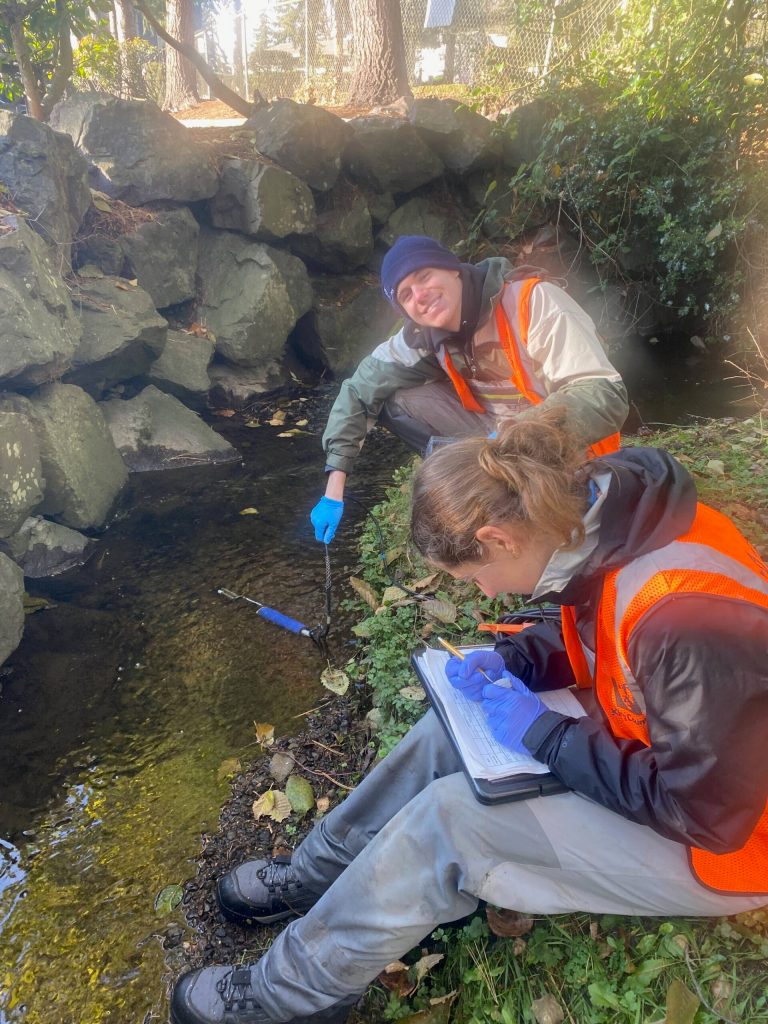
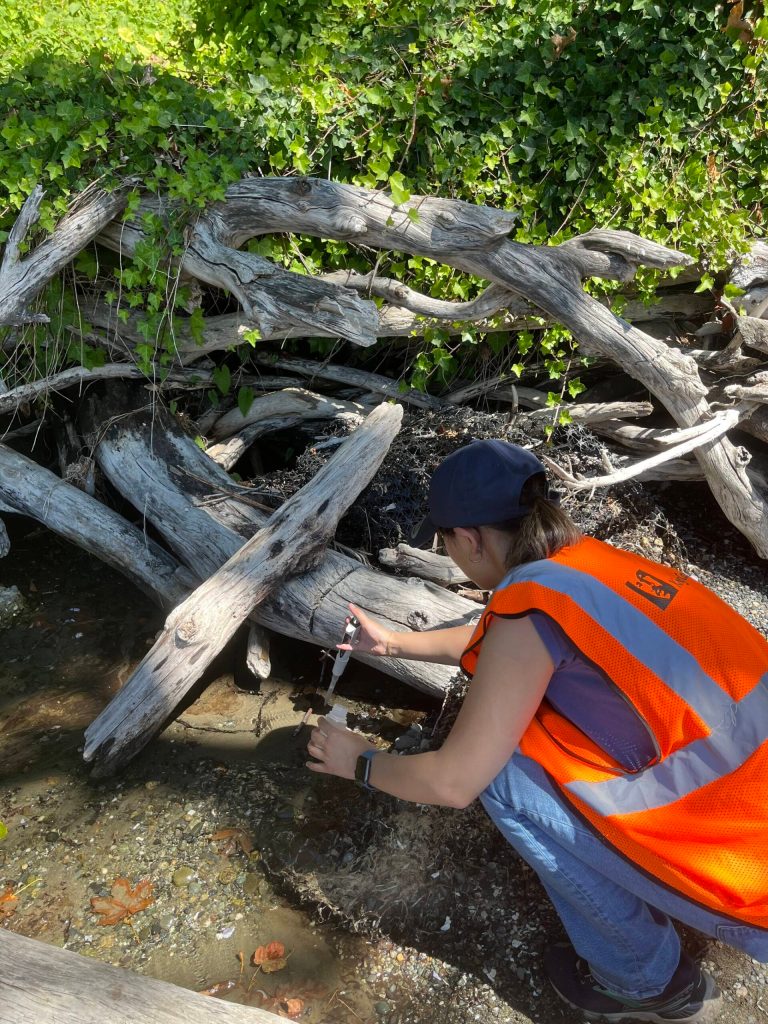




For the next six months, a team of Public Health – Seattle & King County (PHSKC) researchers will be in Manzanita — a secluded waterfront community at the southern tip of Maury Island — collecting water samples from the local streams, springs and storm drains that empty into Puget Sound.
They will also evaluate the individual septic systems that serve the community’s 121 beachfront properties.
These efforts are all part of the Healthy Beach Project, a nine-year-long push by PHSKC to “find and fix” sources of fecal pollution in Puget Sound as a way to restore local shellfish populations and keep beaches safe for people and their pets.
Last June, Manzanita residents received letters from PHSKC asking permission to take samples on their land as part of this survey.
Phil Clapham, a retired whale biologist, writer, photographer and self-described dog dad, was among them. He has lived on a beachfront bluff just north of Manzanita Beach since 2017.
“You’re always concerned whenever King County is probing into your property,” Clapham said. “But I wasn’t worried. We’re 65 feet above the water. Our septic is up here. We had it checked about three years ago.”
Clapham gave his permission, along with 19 other Manzanita residents. PHSKC sent him a packet of information, which contained a copy of his original septic permit and brochures on basic septic maintenance and financial assistance options.
Three months later, “two ladies came by to do some sampling,” he said. “They were very nice to our dogs.”
Manzanita is Vashon-Maury’s third Healthy Beach Project. It follows similar surveys of the Quartermaster Harbor (2016-20) and North Colvos Passage (2020-22) shorelines.
The project is paying dividends. In the last four years, the state Department of Health has upgraded 116 acres of previously off-limits shellfish beds along the island’s eastern coastline, and about 50 acres of shoreline north of Dockton.
Results from those earlier surveys were encouraging. Island beaches are mostly clean. When researchers did find pollution hotspots, the culprit was most often a failed or subpar septic system.
That connection doesn’t surprise Meagan Jackson, who oversees the Healthy Beach Project in her role as program supervisor for On-site Sewage System Operation & Maintenance at PHSKC.
“About 70 percent of island septic systems are older than the average septic lifespan, which is 30 years,” Jackson said. “They are at greater risk of failing. And that’s true across the county, where we have a lot of aging infrastructure. That is partially why we’re doing this work: to figure out where do we focus resources.”
So far, the Healthy Beach approach — data + outreach + education — is proving successful and cost effective. It makes a science-based, ounce-of-prevention case for why shoreline property owners should take care of their septic systems, and it tells them how.
PHSKC, for example, operates a Sanitarian of the Day hotline (206-477-8177), which promises answers to septic questions within one to two business days. (Callers don’t need to give their name or location.)
In 2024, a PHSKC grant launched Vashon Team Septic (better known as Septic Sisters), a neighbors-helping-neighbors clearinghouse for septic information and advice. Vashon Team Septic and PHSKC host annual Septic 101 workshops on the island.
But supporting shoreline homeowners whose septics are failing or on the brink is more challenging and far more expensive.
Waterfront real estate is tricky, septic-wise. The drainfield is the rub.
“Most were installed basically in the sand on the beach,” Jackson said. “Not a great place for your drainfield.”
But where to put it? Most of the island’s beachfront homes are space constrained. Squeezed between Puget Sound and a towering bluff, they often demand more innovative — and pricey — septic solutions.
The Healthy Beach Project website provides some loan and grant options for homeowners facing upgrades or replacements. PHSKC offers $500 rebates for septic inspections. Next year, it plans to start training and certifying homeowners who have pumpless gravity septic systems so that they can self-inspect.
But Jackson concedes that more financial help is needed to keep Puget Sound safe from septic pollution.
Healthy Beach Project surveys are typically triggered by the state Department of Health (DOH), which monitors marine water quality, or by local residents.
The Manzanita survey was different. It was instigated by the Washington State Department of Natural Resources (DNR), which tracks the health and commercial potential of Puget Sound shellfish populations. DNR saw commercial value in being able to harvest shellfish along the Manzanita shoreline.
But first it needed assurances from state health officials that shellfish populations there were safe.
Turns out that water quality in the area had never been tested. Local shellfish populations are currently “unclassified,” meaning no one knows whether they’re okay to eat. So DNR asked DOH for a shoreline survey to determine whether any pollution in the area threatens local clams, mussels, geoducks, etc.
Healthy Beach surveys can be unsettling for a community. Homeowner reactions range from curious and supportive to hesitant and fearful. Residents often raise concerns about fairness.
“A lot of people ask, ‘If you’re holding me accountable, are you holding my neighbors accountable?’” Jackson said. “That’s why we require septic inspections at some point in the project, because we want it to be fair for everyone.”
Eventually most homeowners come around, Jackson said. “They recognize that we try to be reasonable. We try to give people time and information to make decisions about their own property.”
Manzanita’s Healthy Beach survey is a two-year-long project. Sample collection is only three months old at this point. It’s far too soon to be drawing any conclusions about the area’s shellfish or water quality.
But one intriguing data point has emerged.
Research teams have recorded several hotspots on the road above the beach.
“Which is interesting, and more unique,” Jackson said. “We could be experiencing a situation where there’s more of an impact [on water quality] from the upland area.”
Properties, that is, like Phil Clapham’s, which sit on the bluff above the Sound, rather than down on the beach below.
Dodgy septics, farms, pet and wildlife waste are the usual suspects. There are some small hobby farms up there, notes Jackson.
But her money is on a home whose owner recently replaced an old septic system, which Jackson believes may have been the original source of the hotspot and has likely since resolved it.
Teams will do follow-up sampling to see if that new septic system solved the hotspot problem.
“It most likely did,” Jackson predicts, citing her experience with Healthy Beach surveys in West Quartermaster Harbor, Summerhurst and Dolphin Point. Once a few failing septics in those neighborhoods were upgraded, local water quality and shellfish classifications were upgraded too.
Currently, there isn’t another Healthy Beach survey planned for Vashon-Maury.
But one big takeaway from the Healthy Beach Project so far is that water quality is tied to septic performance. Cost can be a huge barrier to regular septic maintenance, upgrades or replacements.
Removing that barrier by offering more financial support, especially for homeowners with failing systems, would be a bold next step.
Learn more about the study area at tinyurl.com/nah8m79k.
Mary Bruno is a member of the Vashon-Maury Island Groundwater Protection Committee, she has worked with Public Health — Seattle & King County staffers on the Septic Sisters pilot project.