Vashon voters approve school levy
Published 11:57 am Tuesday, February 17, 2026

Voters have resoundingly approved Vashon Island School District’s four-year Educational Programs and Operations Levy.
On Feb. 12, King County Election results showed 77% of island voters had given a thumbs-up to the levy — the highest percentage of approval for any of 13 school districts with similar ballot measures in the Feb. 10 election. Vashon’s voter turnout for the election was also in the top range for communities voting in the election, standing at about 42% as of Feb. 12.
The school district had funding measures on February ballots in 2024, 2022, 2020 and 2018. The highest turnout in any of those elections was 46.87%, so it is likely that only a few hundred ballots are left to count in this election.
Jo Moccia, the interim superintendent of the district, hailed the results.
“Since arriving in Vashon, I have been told that our community is supportive of our schools,” Moccia said. “The passing of the levy by such a wide margin is another tangible demonstration of this support, and students will continue to benefit because of the community.”
The levy is a renewal of the district’s longtime four-year operations levy, which was last approved by 70% of voters in February of 2022. That levy expires at the end of 2026.
Property taxes authorized by the newly-approved levy — which authorizes higher tax collections than the expiring levy did — will be collected from 2027 through 2030.
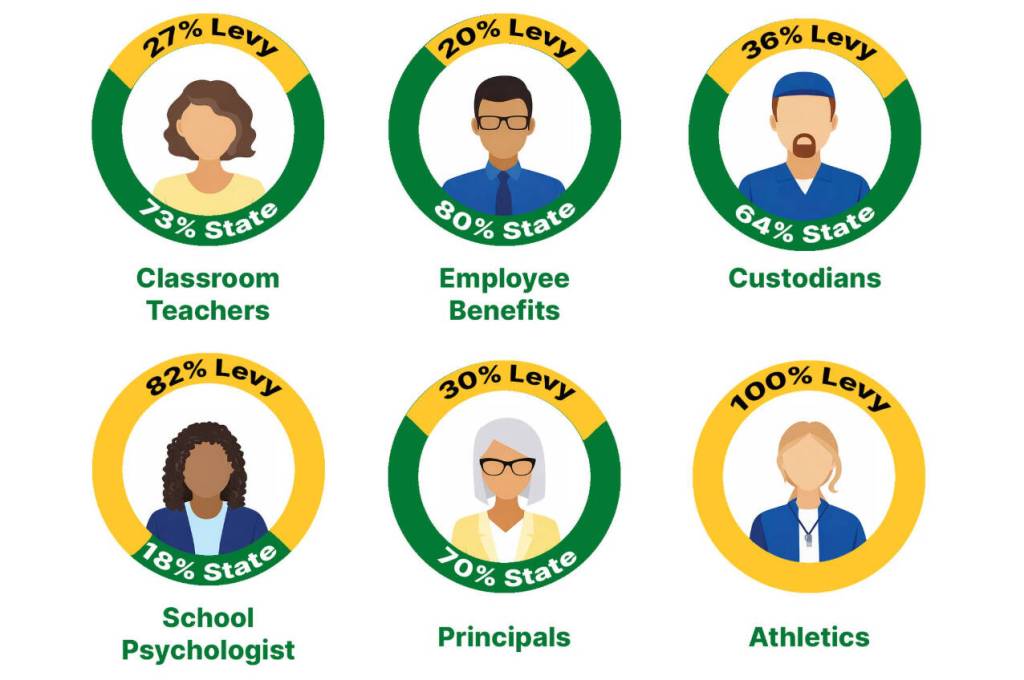
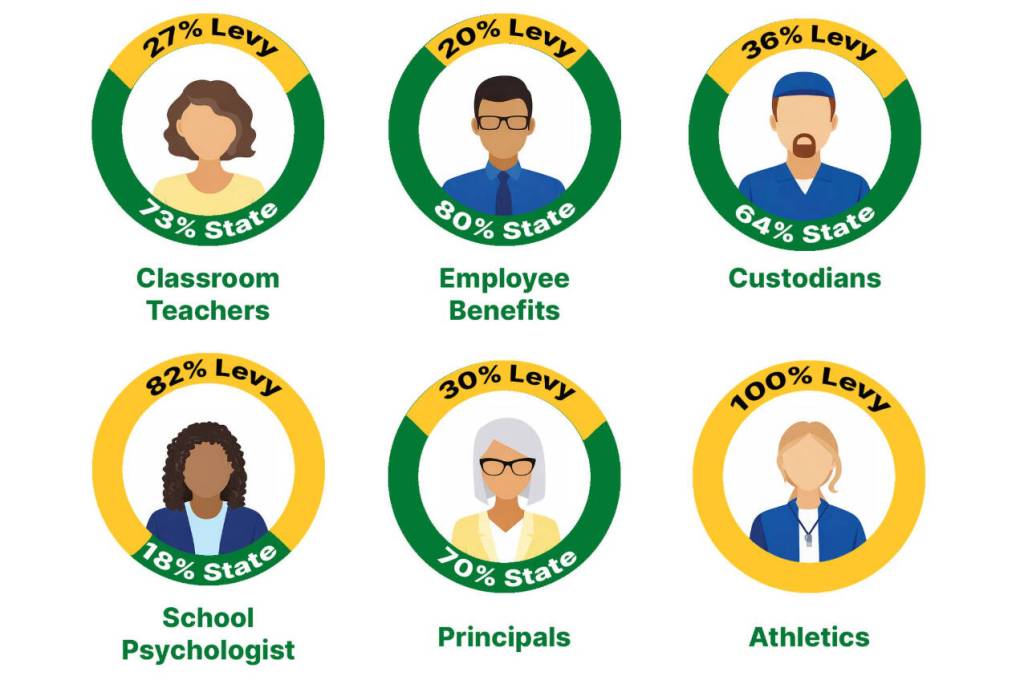
This revenue will constitute approximately 17% of the district’s operating budget, bridging gaps in state funding to pay for a wide variety of staff members and services including nurses, counselors, paraeducators, behavior and mental health programs and the professional development of teachers and staff.
According to the wording of the levy measure, the renewed levy will technically allow the district to collect up to $7 million in 2027; $7.5 million in 2028; $7.9 million in 2029 and $8.4 million in 2030.
However, it is almost certain that the actual collected revenues of the levy will be significantly lower than that.
State law limits how much operations-levy money local school districts can collect each year, using a formula based on enrollment numbers and inflation. In 2025, for instance, those limits allowed Vashon schools to collect just $4.7 million, according to the King County Assessor’s Office — much less than the $6.4 million the expiring levy authorized.
The Legislature loosened those limits a year ago, and Moccia said Vashon schools will collect about $5.3 million in 2026. But, again, that’s still much less than the $6.8 million voters in 2022 authorized for this year.
Similar gaps between actual and authorized collections will also likely exist with the newly passed levy.
Moccia said the district has been advised by attorneys at Foster Garvey — the Seattle law firm that prepared the levy resolution for February’s ballot — that based on the district’s current and projected enrollment of 1,333 or fewer students, actual collections are estimated to be $5.4 million in 2027; $5.7 million in 2028 and approximately $6 million in 2029 and 2030.
That’s about 75 or 80 percent of the amount islanders just voted “yes” to authorize.
According to Moccia, it is typical for ballot measures and/or levies — especially for school districts — to ask for more money than can be collected, pointing to fluctuations in the school’s enrollment as well as the economy, assessed property values and potential changes in state law.
What won’t change, she said, is the need for the significant additional funding, beyond what the state provides, to keep the district afloat.
The levy funds, she said, are “essential to providing the education that the district’s students are entitled to and deserve.”
Lower-income senior and disabled homeowners who qualify for King County’s partial property-tax exemption don’t pay taxes for local school levies, including this one.
The proposed operations levy is just one of three levies collected by the school district. The second levy is collected to pay off voter-approved bonds sold to finance construction of major projects such as the new high school and stadium improvements. The third, a four-year levy approved by voters in 2024, funds technology and smaller capital projects.