No mirrors, no shame: A different kind of gym takes shape on Vashon
Published 2:51 pm Tuesday, June 16, 2026

Juniper Rogneby says she was the chubby kid. The kid who dreaded PE class. The one who found gym and sports less a source of confidence and more of what she calls “an exercise in humiliation and unpleasantness.”
Athleticism wasn’t part of her family’s culture. Growing up, she said, “joyful movement” wasn’t even something that occurred to her.
Now 54, Rogneby still talks about carrying around her “inner fat kid,” she said.
“But now I’m tending to her and trying to give her some peace,” she said. That’s partly why Rogneby laughs at the idea that anyone would mistake her for a lifelong gym enthusiast or a fitness guru.
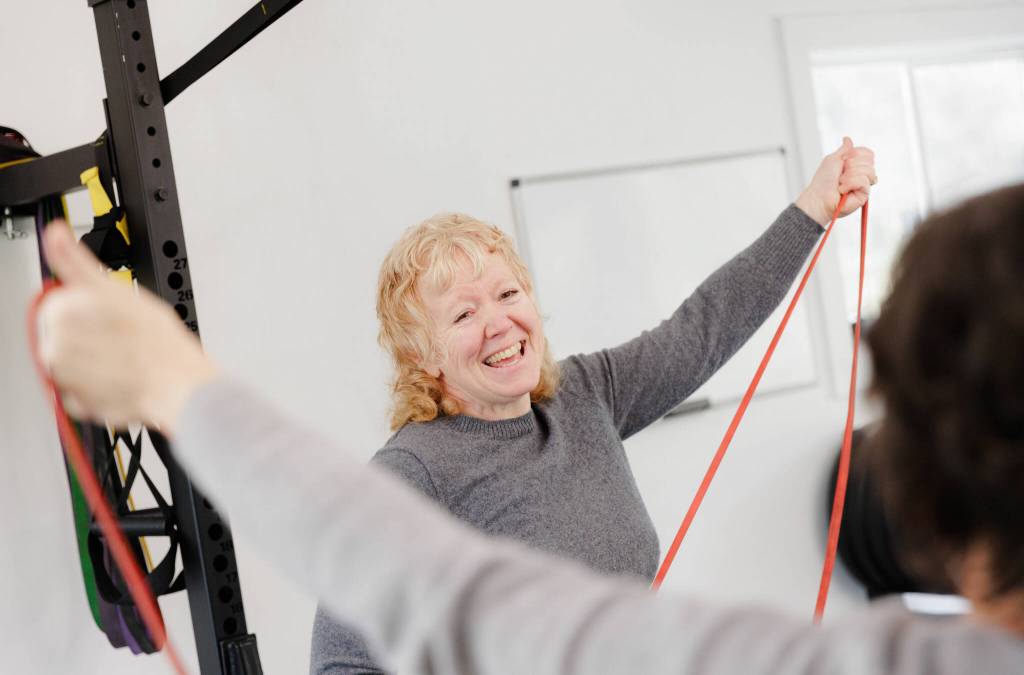
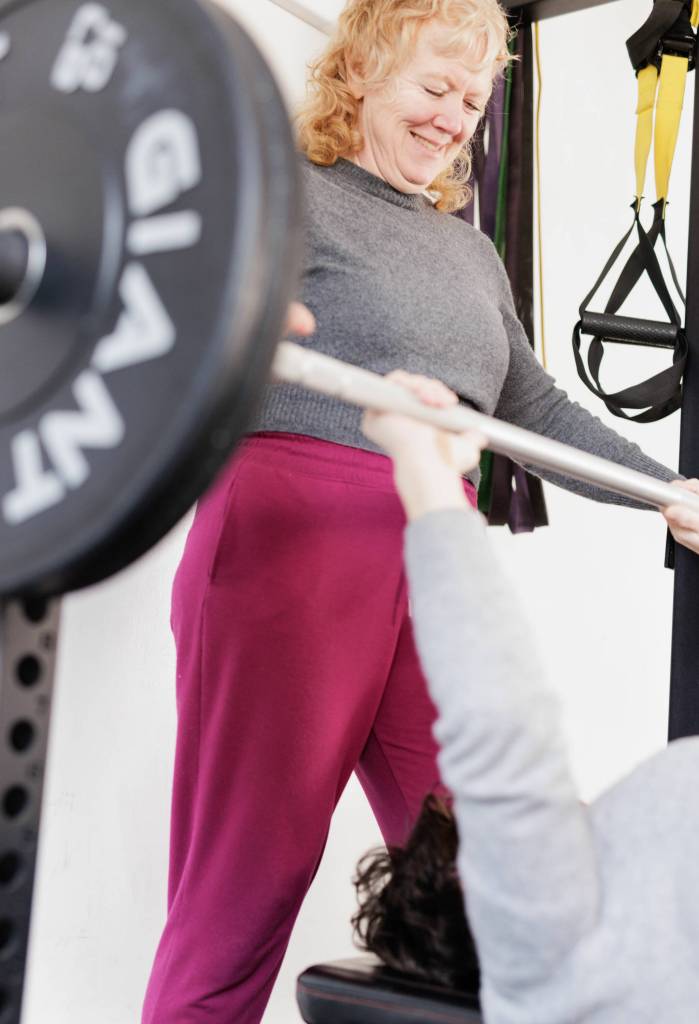
In a garage gym in Burton, Rogneby is creating a space she wishes she found years ago.
The gym has no sign out front. No mirrors on the walls. A picture window looks out on a garden, and on any given day the soundtrack might be early-2000s hip hop — or just birds, and the sounds of breathing.
“I want to meet people wherever they are,” said Rogneby, who recently launched Personal Record, a trauma-informed strength and conditioning practice while continuing to coach group classes and individual sessions at Vashon Strong. “Some days that means loud music and heavy lifting. Some days that means backing way off.”
But Personal Record is designed for people who’ve never felt at home in a gym — and may have good reasons for it.
“The people I tend to reach are folks who may not feel like a traditional gym is physically or psychologically safe,” she said. “They can bring their complicated history of having a body and know they’ll be welcomed.”
Rogneby was one of those people not long ago and didn’t consistently exercise until she was 49. By then, a frozen shoulder had left her largely inactive for years. When the pandemic hit, like many people, she found herself stressed, isolated and disconnected from her body.
She started walking, then running. When smoke from 2020 summer wildfires made running unsafe, a friend stood at the end of her driveway, COVID-cautious, and taught Rogneby how to do a kettlebell swing. Weights followed, and then more weights.
“At some point I realized, ‘Wow, I just feel better,’” she said. “My sleep was better. I felt more present in my body. I had more ease. And once I realized that, I wanted more of it.”
As she added more weight to the bar, she found it helped lighten some of the burdens she carried for decades.
“As much as I love talk therapy, and I’ve benefited from it tremendously, approaching healing from a body-based perspective was a massive aha moment,” she said. “Everything that’s ever happened to a person happens in this one body we have.”
Strength training didn’t erase old hurts, but it gave her a different way to carry them, and that experience, more than any certification hanging on the wall, shapes the way she approaches strength training today.
Rogneby, who serves as chair of the Vashon Island School Board and spent years in anti-racist and anti-oppression organizing, came to see the body itself as political terrain.
Along the way, Rogneby said she became increasingly interested in who gets to feel comfortable, safe and worthy in their own body. Questions of dignity and belonging, she said, show up everywhere – even in something as ordinary as the size of an airplane seat.
“Having a body, by its nature, is kind of political,” she said.
Trauma-informed weightlifting isn’t therapy, she’s careful to say, but it can complement the healing work people are already doing.
She also doesn’t believe people need to revisit painful experiences with her to benefit from movement. Trauma, she explained, can function like the worst possible time machine: something happens and you’re suddenly right back in the moment it occurred. Weightlifting, by contrast, demands presence.
“If I’m going to attempt a heavy lift, I need to be in touch with my breath and fully present in my body,” she said. “For some people, that’s asking a lot — maybe they feel their body betrayed them, or that it’s not something they can trust.”
She calls her strength training a “liberation practice,” not a transformation program.
Rogneby isn’t interested in six-pack abs, before-and-after photos or telling clients how to look. In fact, she isn’t trying to change people at all.
“The idea of using strength training and movement as a way to reclaim someone’s identify and sense of worth is really exciting,” she said. “I’m trying to help people come back to themselves.”
Go to personalrecord.net to learn more about Rogneby and training opportunities.