Vashon takes a look inside Thunderbird ahead of summer opening
Published 1:30 am Tuesday, July 7, 2026
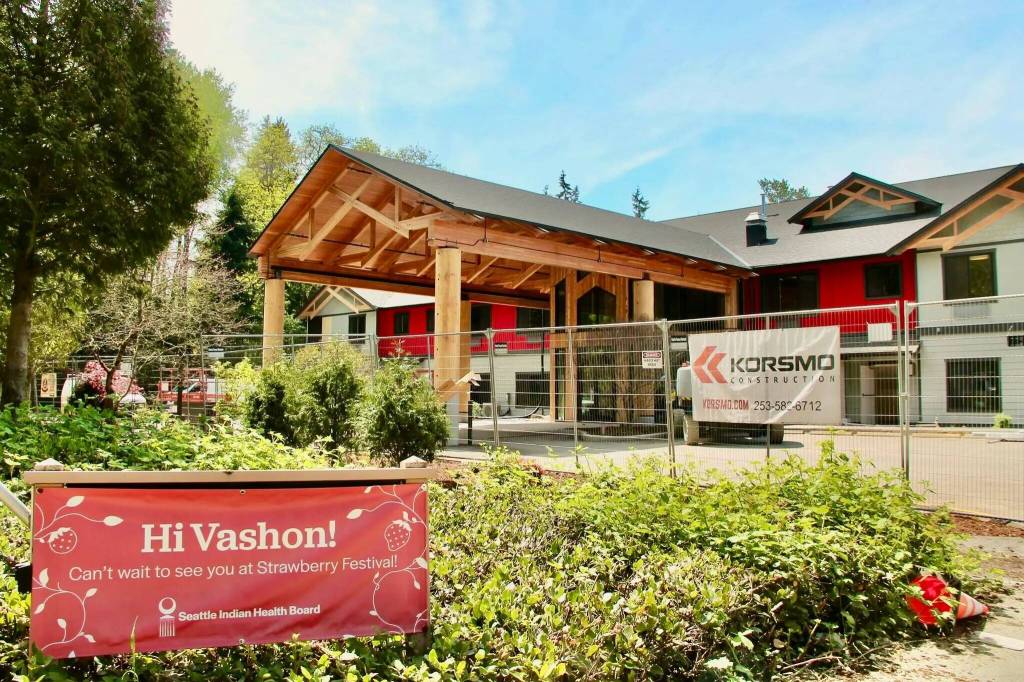
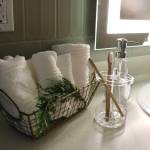
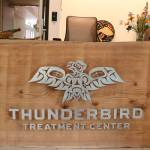
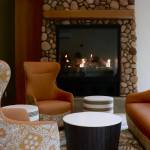
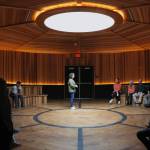
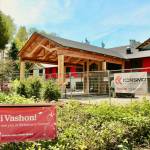
Vashon residents got a firsthand look inside the new Thunderbird Treatment Center during a series of tours on Vashon, where they explored the facility and learned about the services the Indigenous-led program will offer.
With most major construction completed, Seattle Indian Health Board (SIHB) officials said the center will likely welcome its first residents around the end of summer or early fall.
Once operational, the 92-bed facility will boost inpatient treatment beds in King County by over 50%, according to SIHB — which owns the facility — while providing a rare Indigenous-centered approach to addiction treatment.
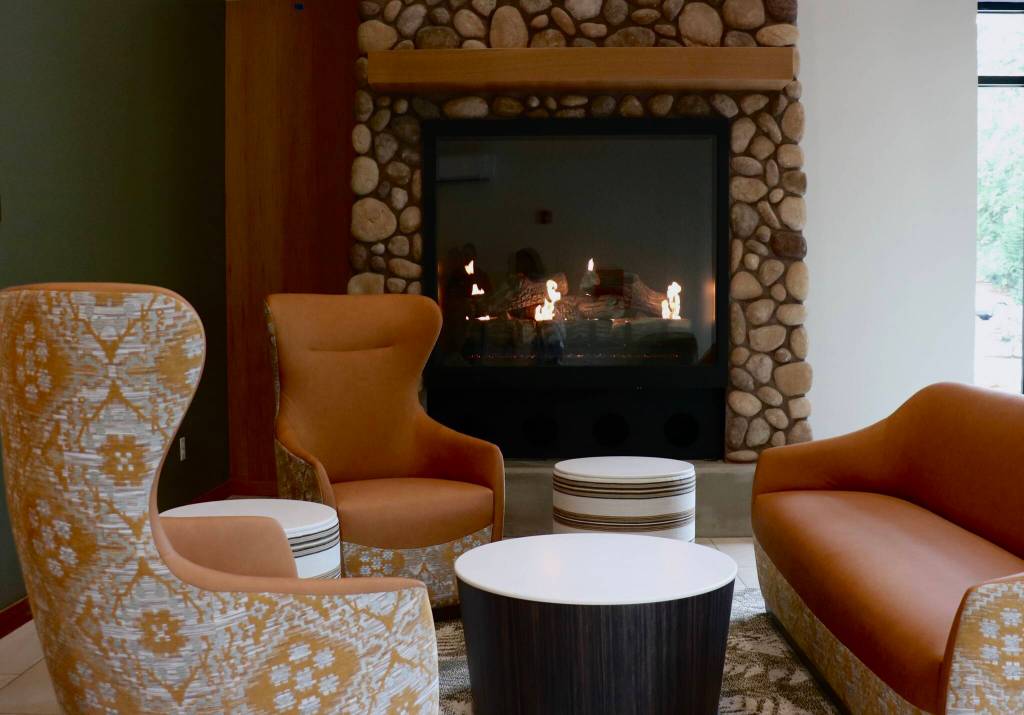
Standing beneath the facility’s tall arched ceilings during a recent tour, about 20 islanders paused to take in the main entrance, murmuring admiration at the wood and stone accents, wide open windows, a lit fireplace and potted plants atop wooden tables.
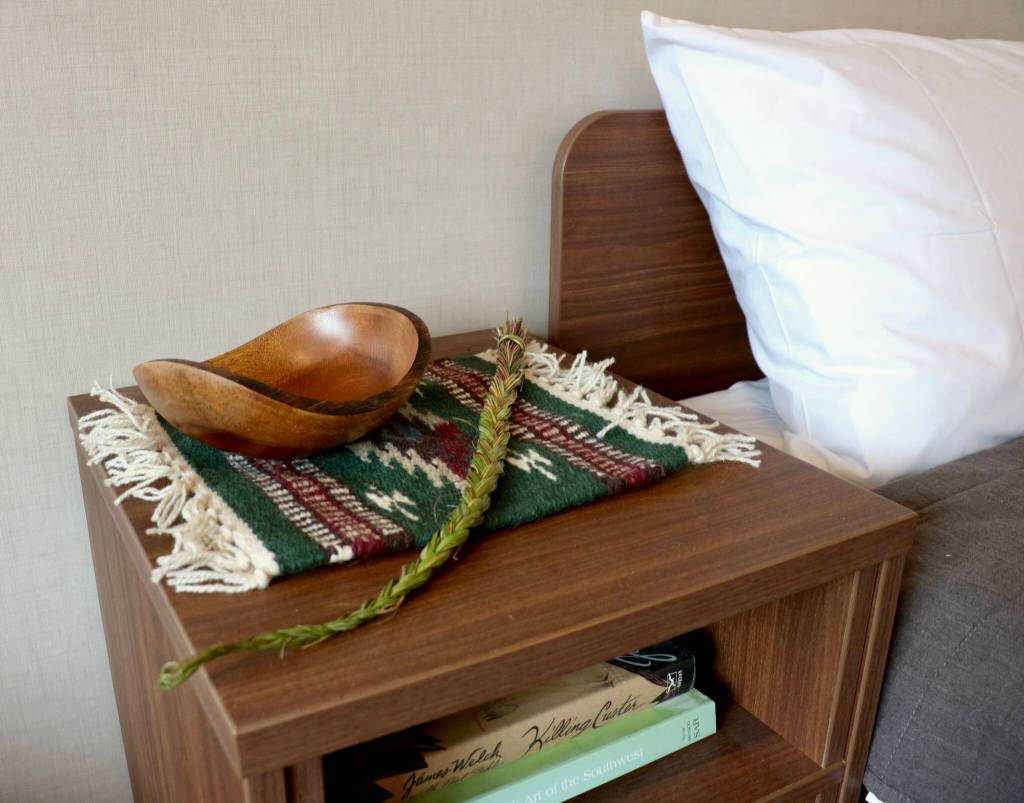
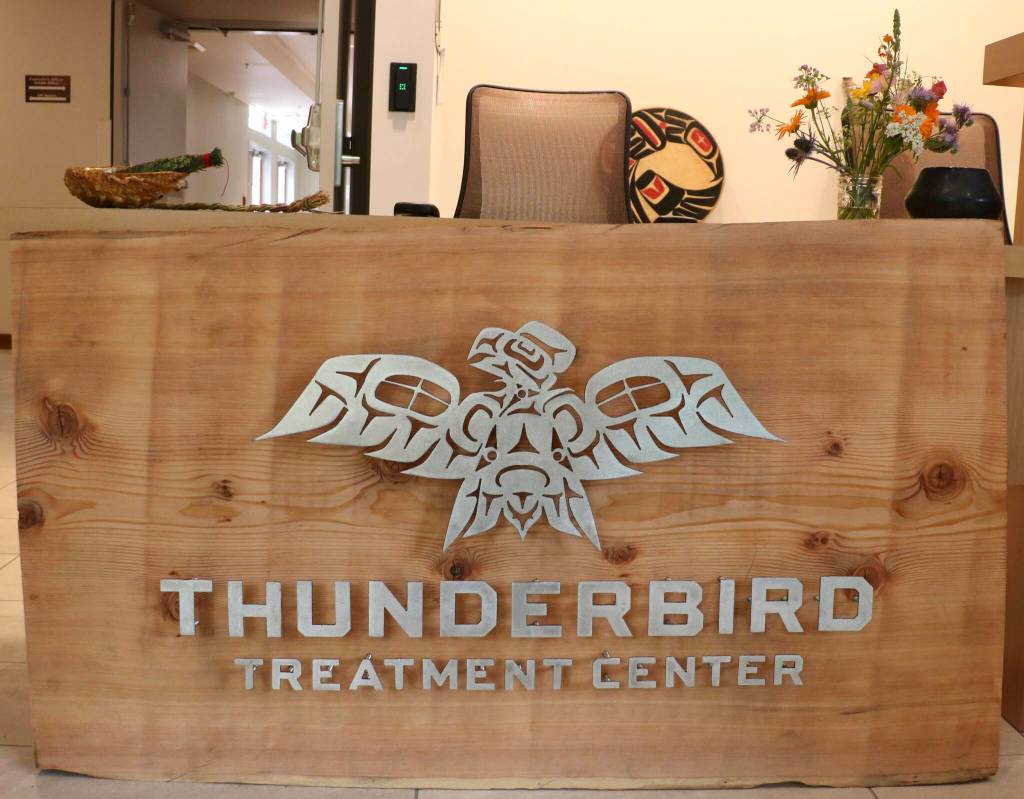
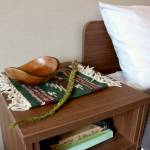
At the check-in desk, traditional medicines including braided sweetgrass and cedar reflected the center’s emphasis on Native healing practices, alongside a Thunderbird logo in a Coast Salish design.
Designed with guidance from Indigenous achitect Johnpaul Jones, the facility is meant to feel distinctly Indigenous and connected to natural elements like wood, stone and plant accents, according to SIHB officials.
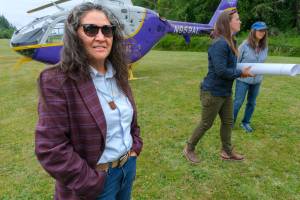
“For a second, I want you to picture that you’re a relative of ours who has been referred here by your doctor and you walk in the door,” SIHB Board Member Shelley Means (Ojibwe and Lakota) said to the group. “There will be no question in your mind that this is Indigenous and will meet your Indigenous values.”
While Thunderbird tailors its treatment model towards Indigenous communities — who will receive priority admission — the center is open to everyone, including island residents.
Moving further into the facility, the group was welcomed into the dining room — a large, open space with circular tables cast under soft light streaming in from several large windows.
Thunderbird will also work with registered dietitians and Indigenous chefs to craft meal plans, and serve food native to the Pacific Northwest as well as food important to other tribes, Residential Operations Director Lauren Topacio said.
“Folks may be from all over the country,” Topacio said. “So we’ll be intentional about that too and rotating the menu to include foods that meet our relatives’ needs.”
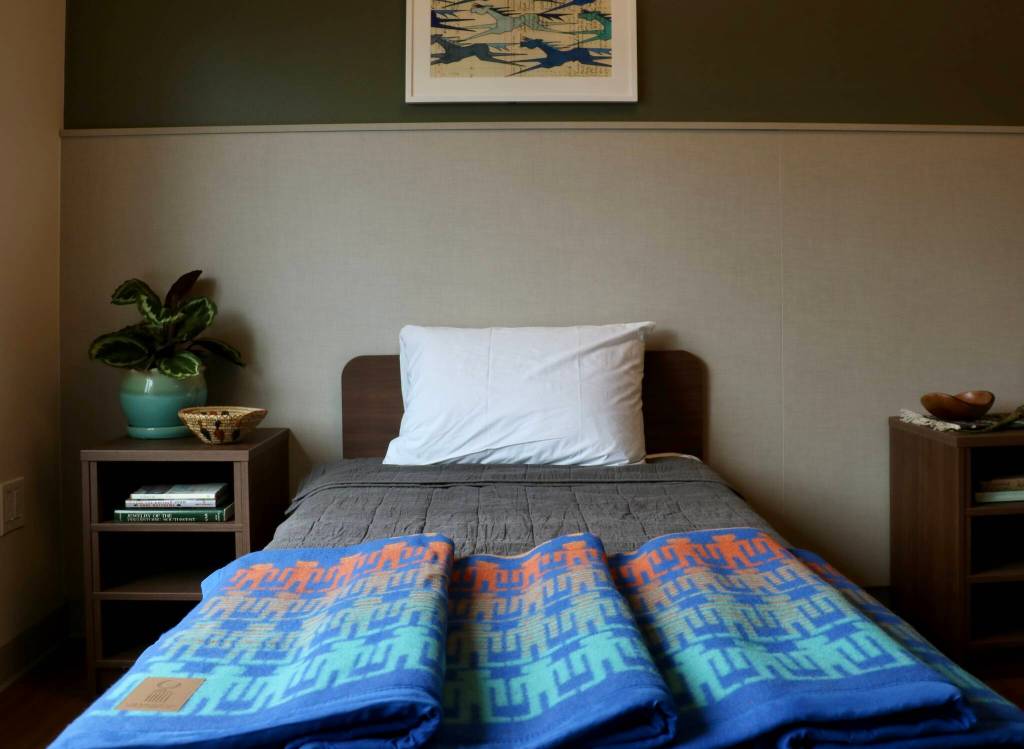
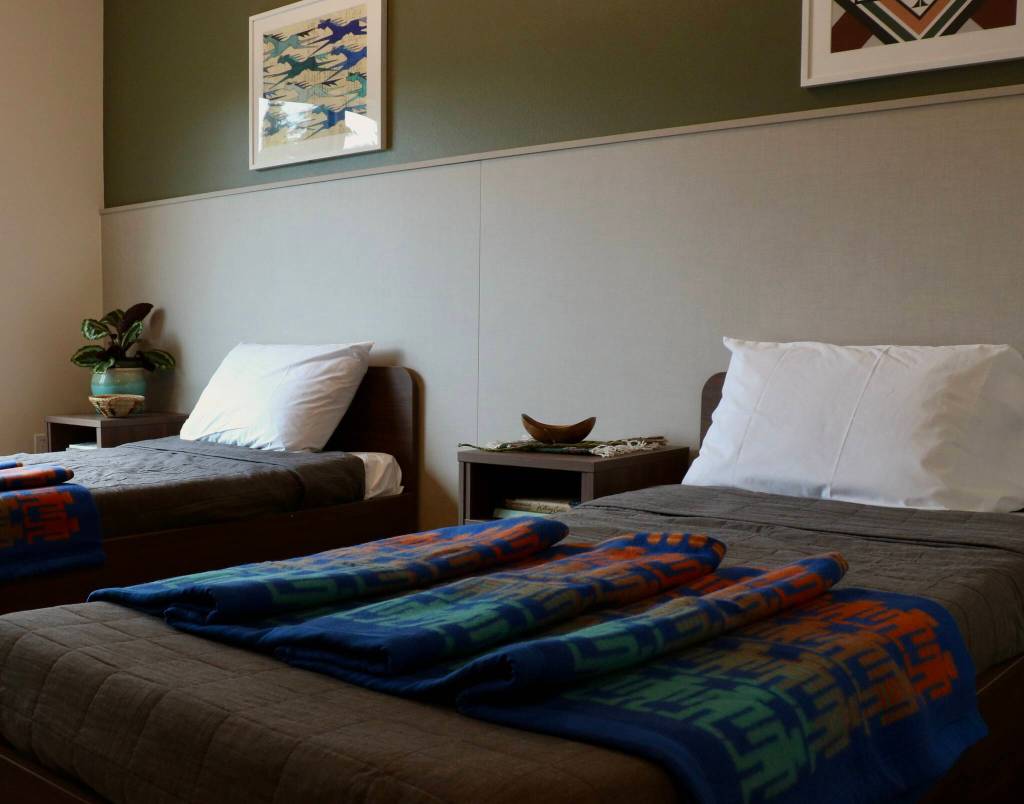
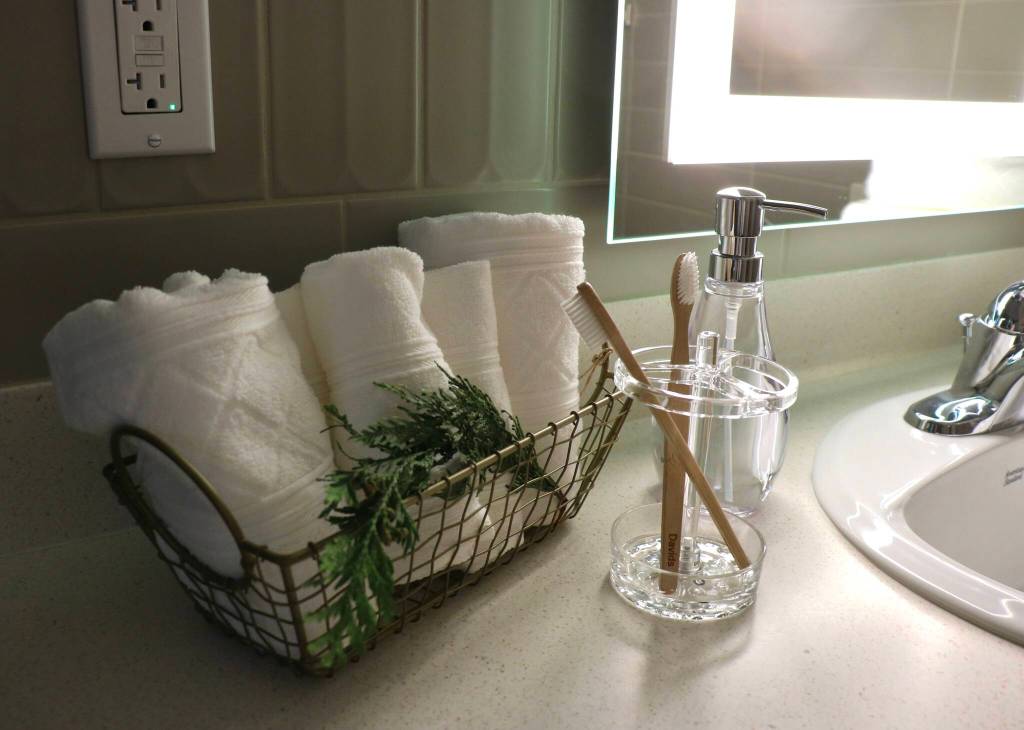
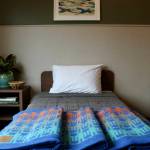
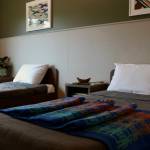
Stepping into two different room designs — one single and one double occupancy room — tour goers were met with framed tribal artwork, lighting from soft lamps and more wood and plant accents.
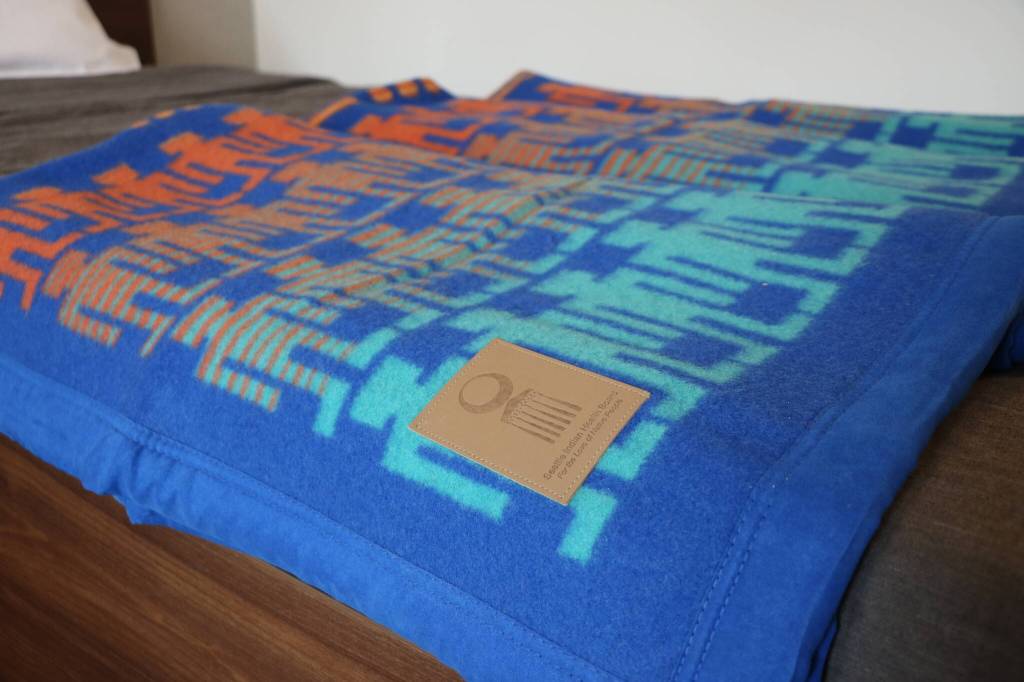
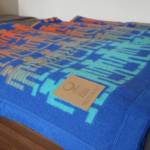
Tribal-patterned SIHB blankets sat at the foot of each bed, custom designed by Eighth Generation — a Seattle-based retailer owned by the Snoqualmie Tribe.
The center is currently working on commissioning specially-designed Thunderbird blankets, Means said.
“Each of our relatives who come here, when they graduate from the program, will leave with a Thunderbird blanket as a real reminder of all of the work that they did here to heal,” Means said.
Inside the traditional medicine space, a wall of wooden shelves are empty, ready to be filled with salves, balms, teas and plants like cedar and sage for smudging — a sacred practice of burning plants, and wafting the smoke to purify a space or person.
“There’s that spiritual component that’s cleansing,” SIHB Development Program Director Wayne Harvey (Yakama) said.
Bringing this kind of long-practiced medicine into clinical spaces is a part of Thunderbird’s model of care — called Indigenous Knowledge Informed Systems of Care or IndigiKnow — which weaves together cultural practices and traditional medicine to provide holistic healing.
It’s an approach that SIHB officials said yields better health outcomes for those they’re treating.
In Thunderbird’s previous South Seattle facility, Means said, when SIHB began incorporating elements like sweat lodges and plant medicine, they noticed that residents began to do better.
“When a relative knows that they can walk through our doors at the clinic and receive certain cultural medicines, they are more likely to come back and pick up their prescription and show up for that regular diabetes check,” Means said.
Thunderbird’s traditional medicine team will work with a national network of practitioners to provide culturally appropriate care for residents whose tribal roots span the country.
Thunderbird pairs this traditional medicine with western approaches to care — and the space also includes an exam room where a registered nurse will be stationed to perform exams and dispense prescription drugs.
A full clinic located in the back half of the facility — which was not included on the tour — will provide medical, dental and behavioral health care, open to anyone on the island, Topacio said.
The clinic is estimated to open next spring, Topacio said. Until then, Thunderbird will use a mobile unit for dental care and transport residents as needed to their Seattle clinic.
The back half of the building will also include a 15-bed wing designated for pregnant and parenting residents, with a separate entrance for added privacy.
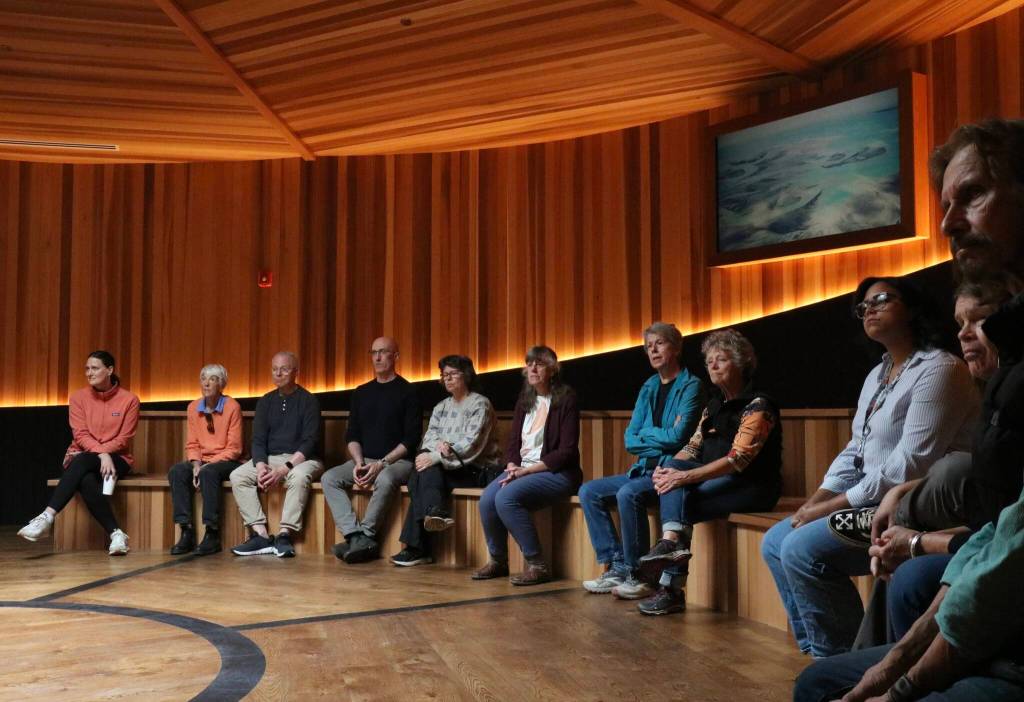
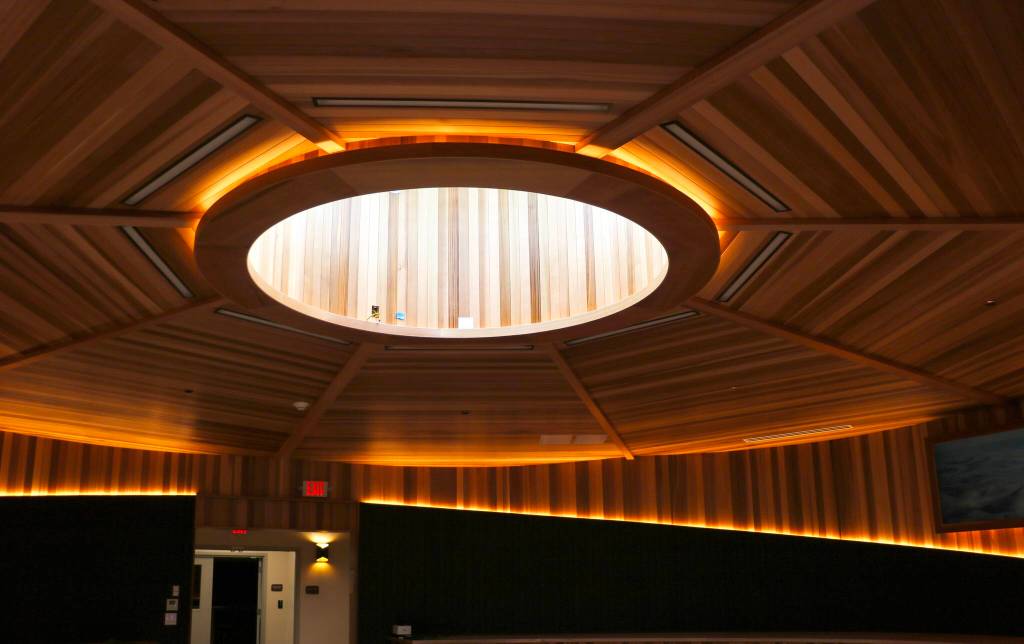
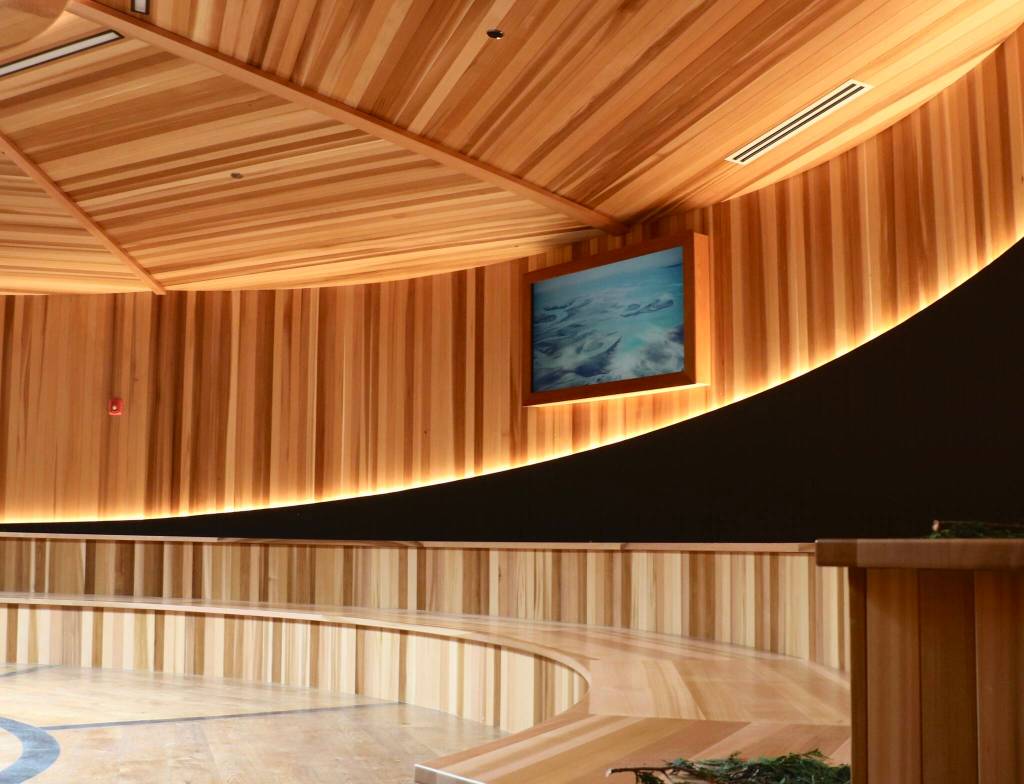
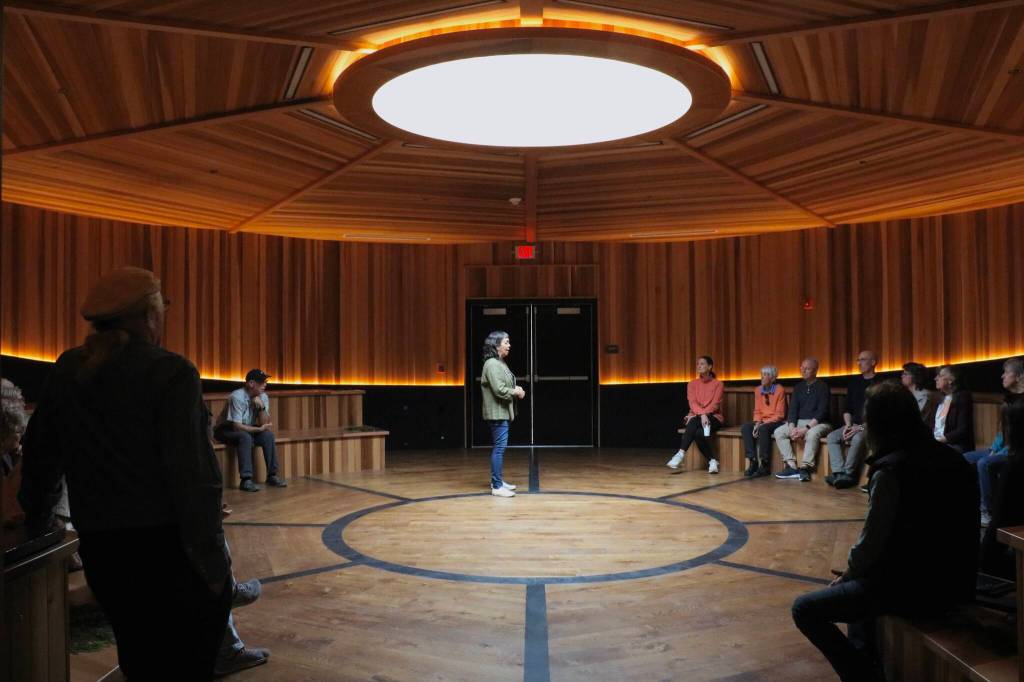
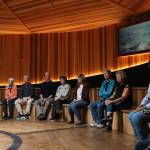
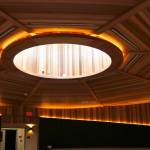
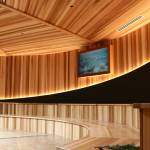
On the final stop of the tour, islanders were welcomed into the center’s ceremonial space — a dimly lit circular room, lined with cedar benches and walls, where group therapy and graduation ceremonies will be held.
“The circle is an equalizer in a really important way, especially if you’re going through treatment,” Means said. “It’s not a punitive way of saying ‘Clean up, get sober,’ it’s, ‘Together we’re gonna do this journey and we’re gonna share what we know and heal what needs to be healed.’”
As the group exited the facility, they walked through a covered sports court, wide-open lawns, as well as the area that will soon host sweat lodges.
On July 11, Thunderbird will host SIHB officials, as well as elected officials from the City of Seattle, King County and U.S. Rep. Pramila Jayapal for a ribbon-cutting ceremony.
The last day to tour the Thunderbird facility is July 9.