COMMENTARY: Sacrifice has always been necessary for the collective good
Published 1:30 am Wednesday, February 2, 2022



Back in 1941, after the attack on Pearl Harbor and our entry into the war, the American people were united in their commitment to preserving their democracy and protecting the rest of the free world.
Enduring food and gas rationing, initiating recycling drives to collect materials needed in the war effort and even using blackout curtains at night to prevent enemy aircraft from identifying populated areas are just a few of the ways that American patriots worked together.
Record numbers of men and women enlisted in the military and in other organizations rallying to win the war and to save the world from fascism. Citizens banded together determined to prevail in the largest nationally coordinated effort in history. Americans not only sacrificed some of their freedoms, but they also sacrificed their fathers and mothers, sons and daughters, brothers and sisters.
Very few complained about the hardships, about the “loss of liberty and freedom,” about the sacrifices that were necessary if we were going to continue to lead the world. Any grumbling was quickly outed as unpatriotic and unacceptable considering the magnitude of the crisis.
Imagine the reaction if any American who, demanding the freedoms that the constitution guaranteed them, had refused to black-out their windows at night. Compromising the safety and security of the entire nation by refusing to install blackout curtains, selfishly exposing a city or town to enemy aircraft at night, was unthinkable.
Back in 2020, as a nation and as a global community, we were confronted with another enemy, but of a different sort. We had seen this enemy before, back during WWI, and we knew how vicious and deadly it could be. But in those times, in 1918, our knowledge of such an insidious enemy was far from developed and the death toll was unimaginable.
But today, unlike 1918, we have both the experience and the knowledge of viruses and an astounding technological ability to quickly create vaccines against them.
Viruses like polio wreaked havoc in every community, globally, for years, crippling children like demons in the night. Mothers around the world cried in relief when the polio vaccine was created and every child was vaccinated.
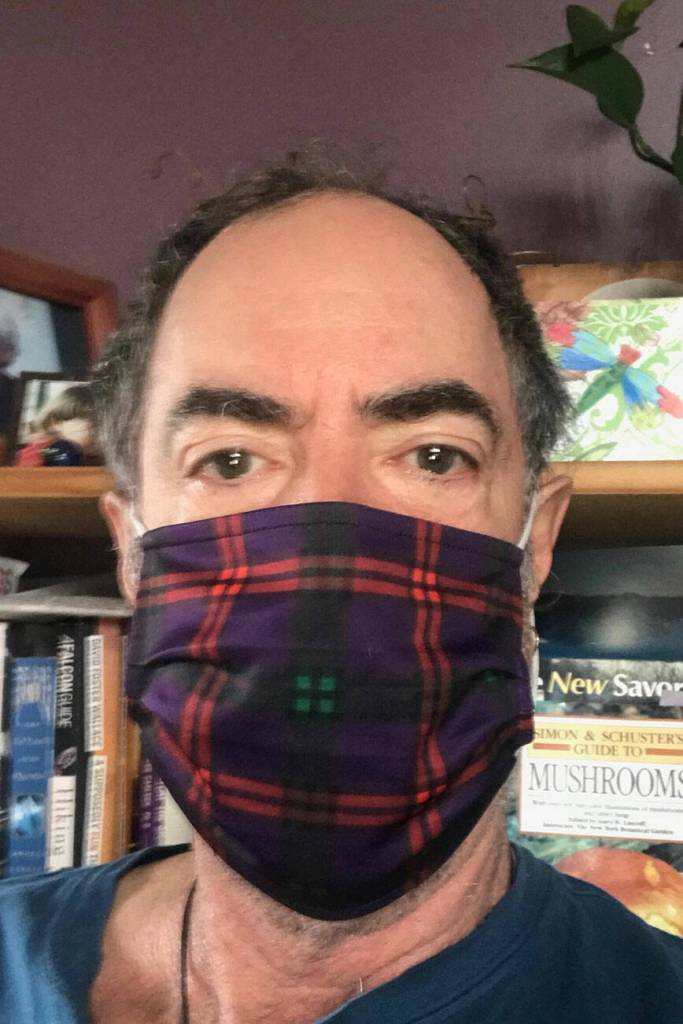
Which is why it’s so alarming to me that there is such a resistance to vaccinations — and even to masking — as a path to winning this war on COVID. Once again we find ourselves in a battle against a deadly, invisible enemy, and we’re complaining and griping about the sacrifices we’ve been asked to make, whining about our loss of freedom and liberty.
Is it too much of a sacrifice to have to wear a mask for a few months? For the safety of the public and to get our nation back on track? We gave up our freedom to drive without wearing seat belts decades ago and nowadays we don’t even think about it.
What happened to our sense of patriotism and commitment to the common good? How is it that we have evolved to a place where individualism and selfishness override the need to come together as a nation to combat and defeat a common enemy? (The same could be said about the other existential enemy: climate change). And not just an enemy of today, but well into the future when we may have hundreds of variants of the COVID virus simply because we never attained herd immunity?
I believe it began in the 1980s with Ronald Reagan, asking Americans, “are you better off now than you were four years ago?” During his first term as president, he had cut taxes and eliminated many environmental and business regulations and the economy was doing well. So many Americans honestly said yes, I am better off.
But how about the environment? Social programs? The national debt? In so many ways, we — collectively — were decidedly not better off and were well on our way to being far worse off.
But we were blinded by our desires to be free of the shackles of sacrifice, of having to pay for clean water, safe highways, education, and for social programs for our less fortunate fellow Americans. And our selfishness has only grown worse as time has gone on.
How can we expect to survive as a nation, steeped in a history of democratic rule and of working toward the common good, if now we think only of ourselves? Our ancestors would never have survived the myriad vicissitudes of primitive life without cooperating, without sacrificing and striving for the good of the tribe, of the community.
We are living in a time of division that could very well portend the end of a collective prosperity that we’ve seen grow for more than two centuries.
If we truly love our country, we must set aside both our differences and our quest for individual liberties and freedoms in times of crisis and strive instead to work toward the collective good. We have a choice. But maybe not for much longer.
Scott Durkee is a freelance factotum, artist and winemaker. He lives on Maury Island.