Dancing Beyond Borders
Published 8:49 am Thursday, October 23, 2025
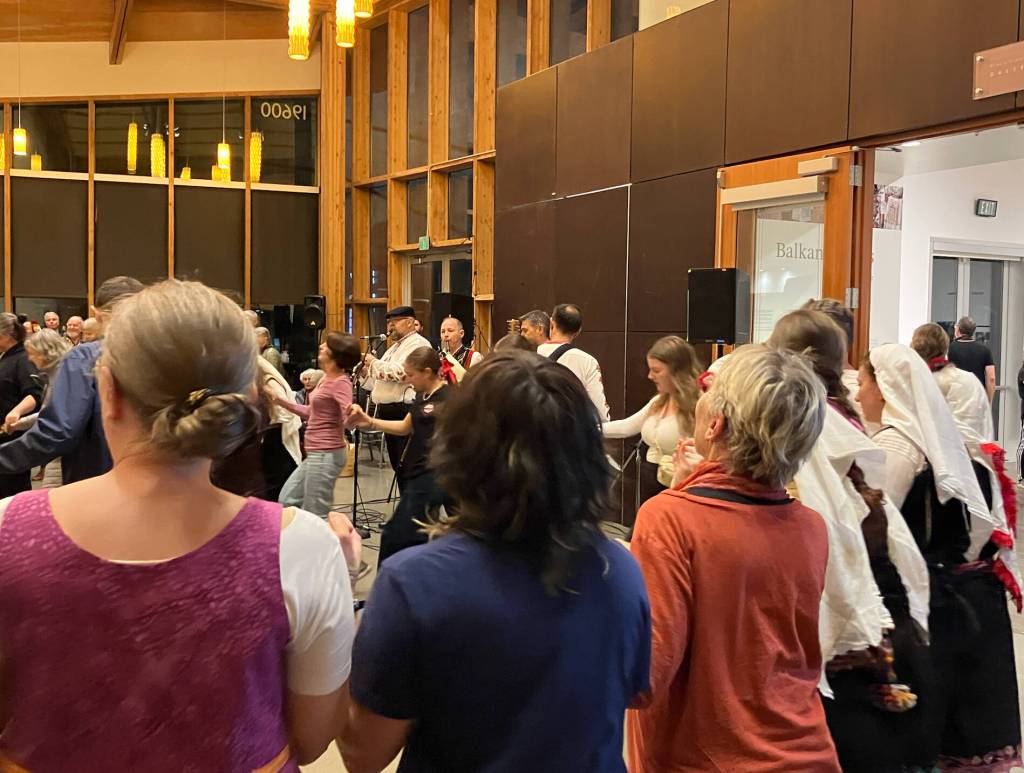

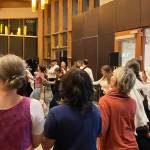
Imagine this: you’re standing in a line with strangers, moving together as the line snakes its way around the room.
You meet the eyes of people you’ve never seen before — and the strangeness dissolves. Laughter, joy, and rhythm flow through you all. The music is foreign, yet somehow it becomes yours.
What if we could all move together like that — one step forward, one step behind — into a shared sense of community? A place where divisions melt, and no one is seen as “the other.”
This, you think, is what the world could be.
A night of connection
I had a moving and memorable experience on Oct. 12 at an event called “Balkan Night” at Vashon Center for the Arts.
The Balkans — a region of southeastern Europe that includes Serbia, Bosnia and Herzegovina, Croatia, Montenegro, North Macedonia, Kosovo, Albania, Bulgaria, Greece, and parts of Romania and Turkey — has sadly been a hotspot of tension and brutal conflict for centuries.
The very word balkanization usually means division into smaller, hostile parts.
None of that was present at Balkan Night, a joyful celebration of traditional culture from across the region. The evening accompanied “Balkan Echoes,” an exhibit of photographs by Martin Koenig, who has spent much of his life recording and preserving Balkan folk traditions through photography, music, and dance.
Both Koenig and VCA’s director, Allison Reid, come from immigrant backgrounds, and the event also honored immigrants and the communities they create, wherever they go.
When the fourth wall falls
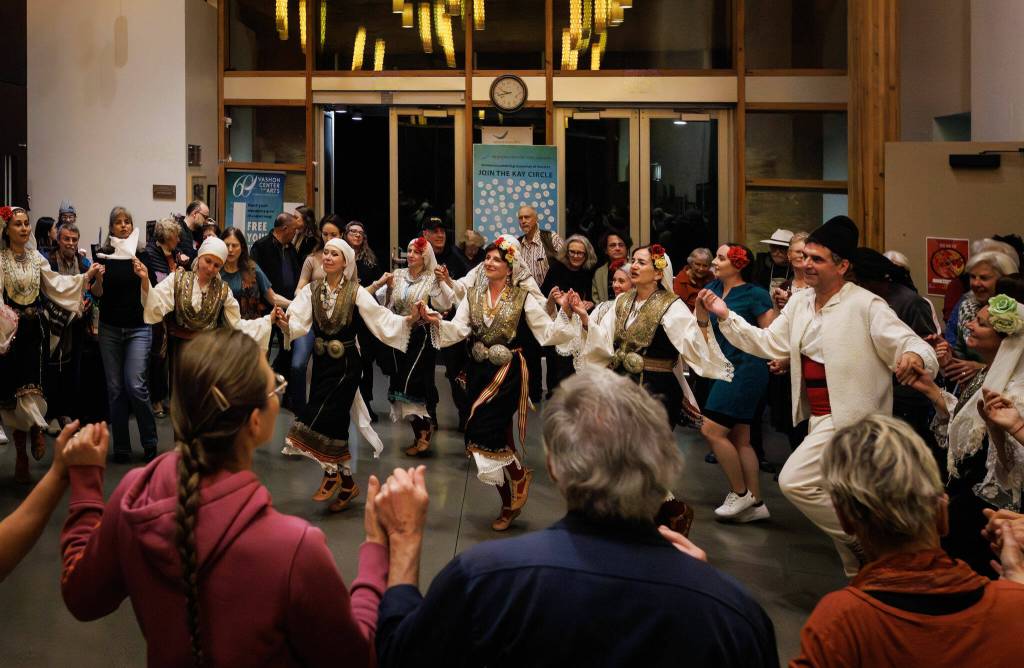
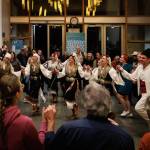
In theatre, the “fourth wall” refers to the invisible curtain that separates actors from the audience. At Balkan Night, that wall disappeared. The packed house radiated appreciation and applause, while the singers, dancers, and musicians responded with their very best performances.
At the end of the performances, I expected to be part of a rousing standing ovation for the show — instead, as the last group received well-deserved applause, the house lights came on. The next part of the evening was about to begin — in the lobby.
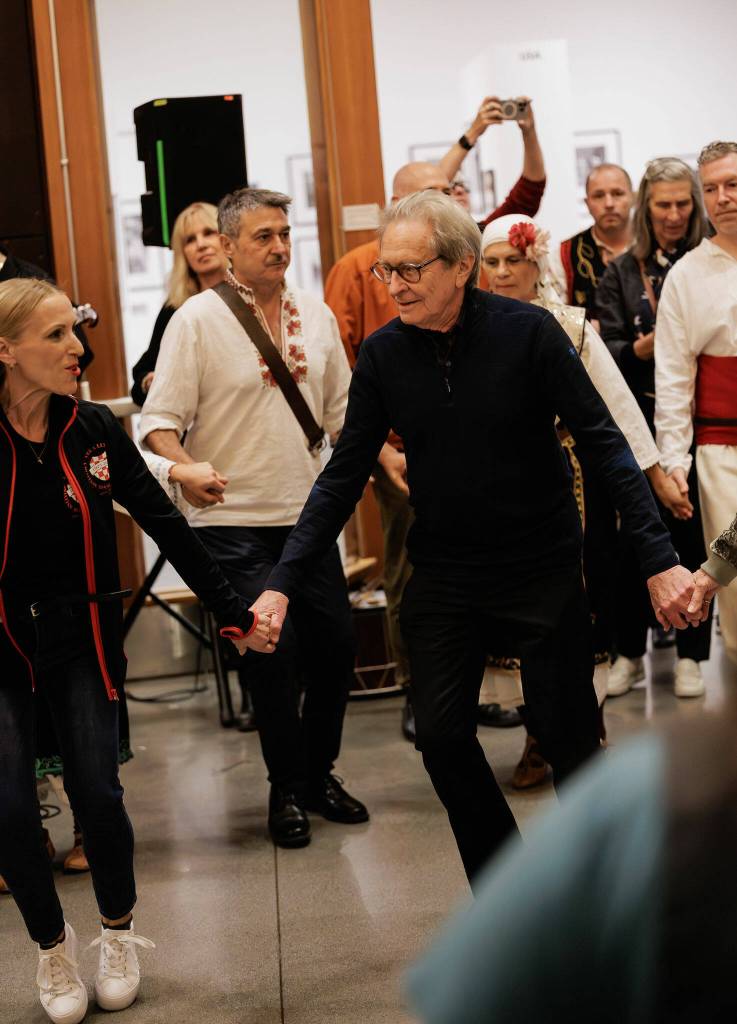
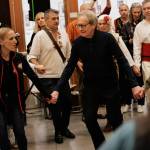
There, anyone who wished to dance joined hands. Performers and audience members merged into long, snaking lines that wound joyfully through the room.
I didn’t know the steps — at least not at first — but mistakes didn’t matter. The line carried me. Soon I was swept into the ecstasy of seeing the faces of strangers — no longer strangers — alive with joy. Those who chose not to dance became radiant witnesses, their faces glowing with delight.
Within minutes, I thought: This is the way the world should be.
Why can’t we link arms across our differences and dance our way back to a sense of unity?
(Sadly, I know that for many immigrant populations, such open celebration isn’t yet safe.)
A personal connection
The evening moved me deeply. I shed a few quiet tears as I remembered my youth and my family’s connection to folk dancing. My parents were dancers, and they took us kids to family days at New York’s International Folk Dance House. Songs from around the world — played on scratchy 45s and even 78s — became woven into my soul. I can still hum the Miserlou from Greece and Mayim Mayim from Israel.
In a few hours of dancing, we traveled the world — from Asia to Africa to Scandinavia. I dreamed of the day when I could join the more intricate line dances from the Balkans. International guests often joined the dancing. Through those shared steps, I came to feel like a citizen of the world—where cultural differences were fascinating, not divisive.
Those experiences shaped my life. Later, I worked in international development because I already felt that I belonged to the world.
Dancing toward wholeness
I’ve often said that once you hear someone’s story, you can’t help but care for them — or even love them. Now I’d add this: once you’ve danced someone’s dance, sung their song, or received their cultural gift, they can no longer be “the other.”
Don’t we need that more than ever, in this climate of division and “othering?”
Let’s bring our differences into community. Let’s link arms, sing, and dance our way together—toward a more whole and compassionate world.
I write this ith gratitude to Martin Koenig and the VCA staff for reminding us how connected we truly are. Koenig’s “Balkan Echoes” exhibit will continue at VCA until Nov. 2.
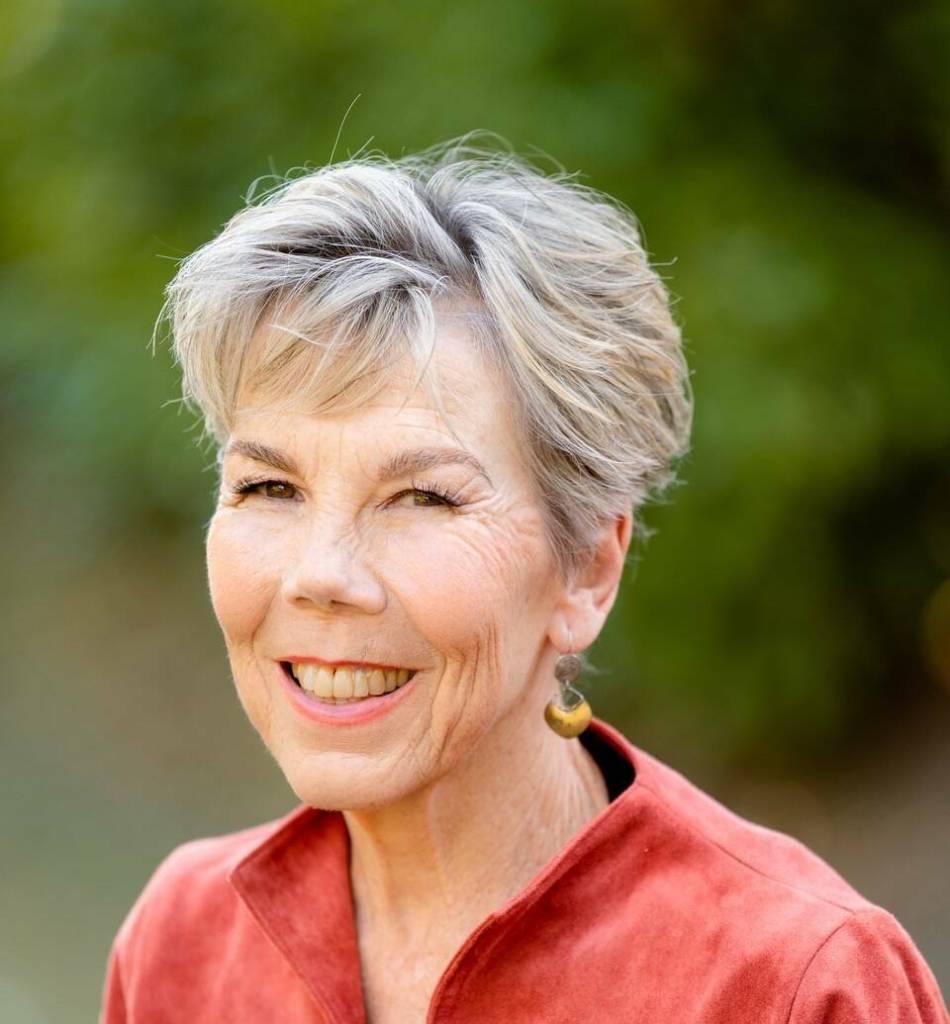
Sally Jean Fox, PhD is a storytelling, creativity, and transitions strategist based on Vashon and the author of “Meeting the Muse After Midlife.” Find more of her writing at engagingpresence.com.