VIFR offers new smart alarms
Published 1:30 am Tuesday, February 10, 2026
Last year, an island home was destroyed by fire. A family lost their home, their belongings, and tragically, their pets. In that case, the fire was reported by a neighbor.
While the residents were able to escape, when smoke and flames are visible from the road, it is often too late to save the home and sometimes too late to save the people inside.
We have long known that smoke detectors save lives. Now, “smart” smoke detectors can notify the fire department faster, and help save homes. Even smarter are smart combined smoke and carbon monoxide detectors.
Since the 1970s, smoke detectors have been credited with saving thousands of lives. Between 1975 and 2000, fire-related fatalities were cut in half in America. Improved building codes and the widespread use of smoke detectors are cited as the primary reasons for that decline.
Early smoke detectors were battery-powered and required regular testing to ensure they were working properly. Batteries should be replaced at least once each year. Too often, firefighters find homes where smoke detectors failed to alert occupants because the batteries were dead.
For many years, the solution was public education. “Change your clock, change your batteries.” While that message is still relevant, technology has advanced to the point that we should no longer have to rely on 9-volt batteries.
New smoke detectors with sealed 10-year batteries are now widely available. In addition, hardwired smoke detectors are required in all new homes. These systems are interconnected, meaning if one alarm activates, they all sound, alerting occupants throughout the home, regardless of where a fire starts.
Carbon monoxide is a killer. Carbon monoxide, or “CO”, is present in car exhaust. It is also given off by wood fires and natural gas appliances. Leaking exhaust from heating appliances can allow deadly levels of carbon monoxide to build up indoors.
Every home should be equipped with carbon monoxide detectors. Low-cost CO detectors are available that simply plug into a wall outlet.
Combination smoke and CO detectors can alert occupants to both dangers. A common misconception is that CO detectors must be placed low in a room. Studies show that combination units mounted on the ceiling are just as effective at detecting carbon monoxide as wall mounted units.
Monitored smoke alarms send a signal to a monitoring company, which then notifies the local fire department. This rapid notification is especially important when no one is home and can make the difference between a small, contained fire and a total loss.
The latest innovation in home fire safety is smart smoke detectors. These systems can send alerts directly to your phone when smoke or carbon monoxide is detected. Many can also be professionally monitored, automatically notifying the 911 system.
Monitoring fees are often lower than people expect. Some systems cost as little as $5 per month for monitoring. Because of their monitoring capabilities, smart smoke and CO detectors should be high on the list of home safety upgrades. The time saved through early detection and notification can be the difference between minor damage and losing a home entirely.
For many years, Vashon Island Fire & Rescue has provided smoke detectors to the community. We have recently updated this program. Instead of 9-volt battery units, the department now offers smoke and combination smoke and CO detectors with sealed 10-year batteries. We believe this change will improve safety and reduce the need for battery replacement visits.
We are also offering plug-in CO detectors to community members who use propane, natural gas, or wood for heating. These detectors are provided free of charge to residents who cannot afford them.
For those who are able, detectors are available at cost. Firefighters can also install smoke and CO detectors for residents, especially if climbing ladders isn’t your thing. To learn more about the smoke detector program visit vifr.org/smoke-alarms/.
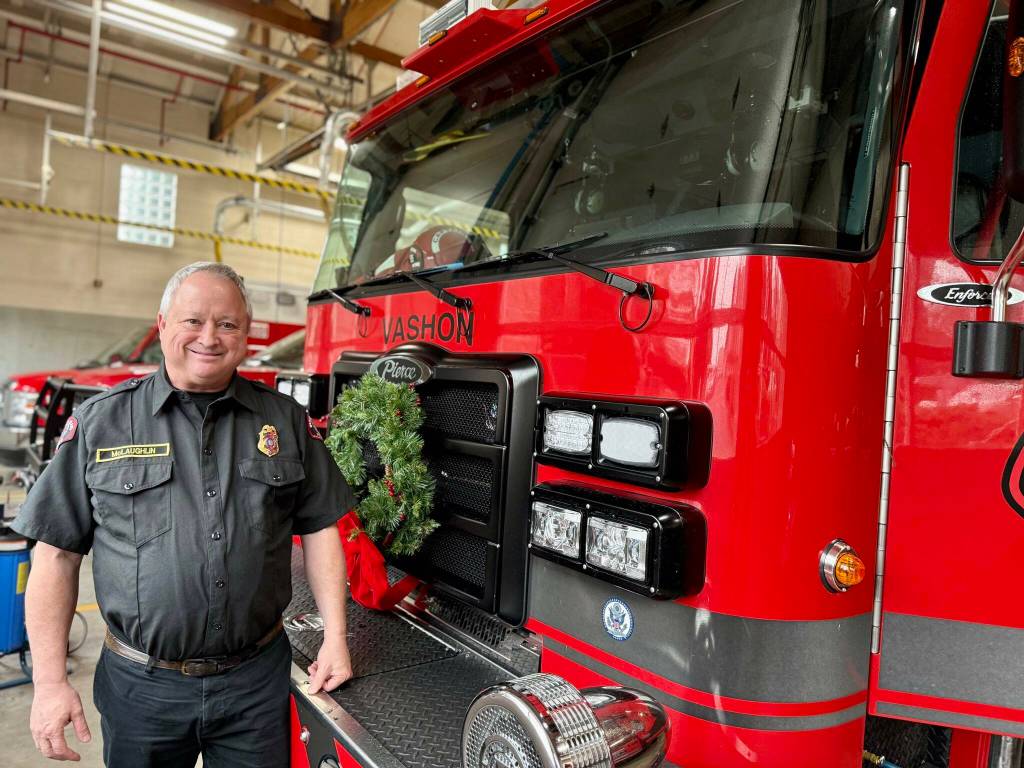
Bill McLaughlin is the Fire Chief at Vashon Island Fire & Rescue.