COMMENTARY: Vashon Fibershed aims to teach about importance of using local, recycled fibers
Published 1:30 am Wednesday, June 8, 2016
Eight and a half years ago, my husband and I were driving across the country destined for Vashon. I was running out of the hideously purple alpaca yarn I was knitting with when not behind the wheel, so I Googled “Yarn + Vashon.” A local alpaca farmer was included in the results that popped up, and I thought, “meant to be.”
My first encounter with the farmer took place on New Year’s Day and had all the earmarks of — ahem — a drug deal. The transaction took place in his basement. He had the scales and the stuff, and I had the cash. I came away with the yummiest, sweetest-smelling, natural cinnamon-colored yarn I have ever had the pleasure of handling — and a fascination for the beguiling alpacas themselves.
Flash forward, I now manage that same herd. Not living on-site has its challenges, yet I derive a profound sense of well-being from my relationship with those creatures, whose curiosity is offset by their deeply suspicious nature, making them the living incarnation of Dr. Dolittle’s pushmi-pullyu.
With my interest in natural fiber piqued, I became a part of the Vashon Fibershed, which formed a couple of years ago with the mission of promoting these connections among local fiber producers and users. The Fibershed facilitates sharing of equipment, materials and skills.
One of the ways the Fibershed spreads the word and promotes local fiber is at the annual Vashon Sheepdog Classic — to be held this weekend — where the organization sets up an entire Fiber Arts Village with displays, demonstrations and crafts. This year, the fiber village will feature an exhibit about the story of local wool, islander Opal Montague and her sheep.
Also on display will be a variety of local sheep and alpaca wool collected from the island, along with the various tools used to turn raw fleece into wearable projects — everything from spinning wheels, to living dye plants, to handy but silly sounding items, such as niddy noddies and Lazy Kates. Fibershed docents will be on hand to explain it all.
Wool is celebrated by the Fibershed because it’s a key part of the resilient agricultural model we should be returning to. We harvest fleece from fiber animals their entire lives. In the meantime, they contribute to soil fertility through their manure. As synthetic and mineral sources of fertilizer become scarcer, manure will become the most valuable asset of livestock.
In support of the agricultural benefits of local fiber production, Sheila Brown and Julia Lakey of Zero Waste Vashon will demonstrate gardening with fiber animal waste products.
Beyond the agricultural aspects and manure, the Fibershed this year is also addressing waste. As a Thursday afternoon Granny’s Attic volunteer sorting clothing donations, I am viscerally aware of the sheer volume of fiber that we pass on. Conservatively, we reckon 150,000 pounds of fiber passes through Granny’s each year. At best, 70,000 of those pounds get recycled or reused because islanders and tourists purchase them. Another 50,000 pounds get passed along to other places where they are worn or used, we hope. That leaves a whopping 30,000 pounds destined for the landfill. While those statistics mean we operate at efficiency levels well above the national average of 80 pounds of fiber waste per person per year, we are always looking for ways to reduce the amount of fiber headed to the landfill. In Fibershed’s new Upcycling booth in the Fiber Arts Village at the sheepdog trials, we’ll demonstrate and display ways to use materials from Granny’s, much of which had been headed to the dump.
Buying from Granny’s, Luna Bella’s or other upcycled clothing stores, purchasing items designed to last, mending your clothes, passing clothing along and — when all else fails — using items as rags rather than putting them in the trash, are ways to operate more mindfully. Through various demonstrations and examples, Vashon Fibershed hopes to convey the many options to consume mindfully, utilize shared skillsets and discover the joys of creating some of what we wear out of island fiber.
We can’t all wear things we’ve made ourselves from fibers we’ve harvested, processed and crafted, but we can choose to source our clothing as carefully as we source the food we eat and feed our families.
Our group is grateful to be part of the ever-growing Fiber Arts Village that accompanies the sheepdog trials each year. Amidst demonstrations of spinning, weaving, needle felting, knitting and so many more crafts, we’ll try to show where our wool comes from — right here on the island.
Vashon Fibershed will also have a vendor’s booth featuring local fleeces, local yarns, locally dyed fibers, dog- and sheep-themed crafts and items crafted from upcycled materials.
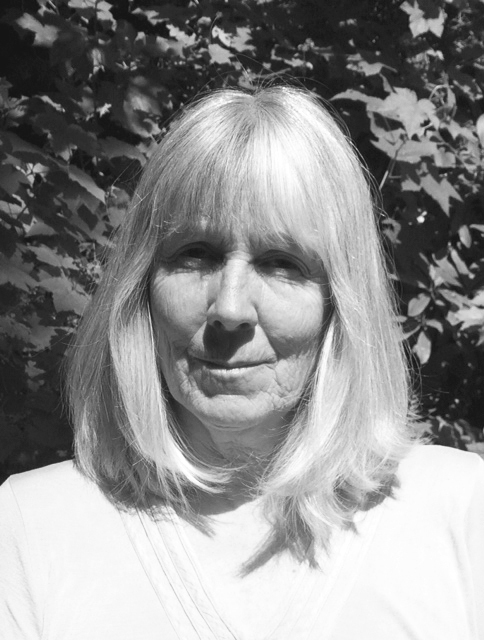
— Emily Macrae is a member of the Vashon Fibershed Steering Committee and a member of the Vashon Island Grower’s Association (VIGA). VIGA represents local farmers and those who eat and use their products. This column is part of a series by VIGA members.