Earth Day on Vashon: Ways to dig in
Published 1:30 am Thursday, April 16, 2026
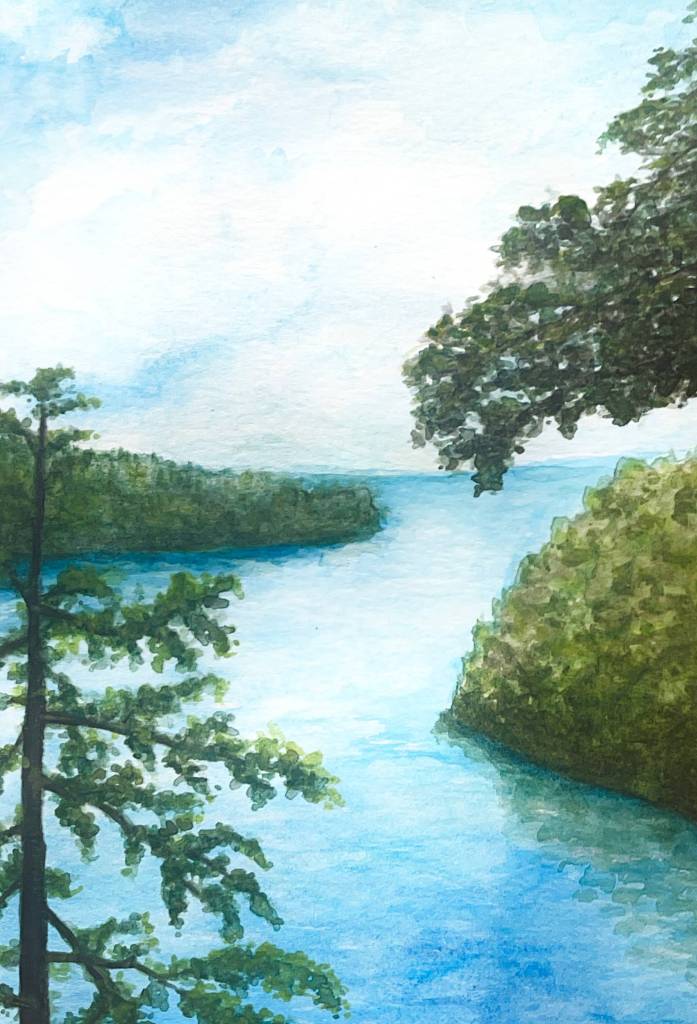

This year, Earth Day falls on Wednesday, April 22, and on Vashon, it arrives in a community that has long treated environmental stewardship as more than a slogan.
That commitment matters. Scientists with NOAA found that 2024 was the hottest year in the global record dating to 1850, and the IPCC has said it is unequivocal that human activity has warmed the atmosphere, ocean and land. The World Meteorological Organization reported that atmospheric carbon dioxide reached about 420 parts per million in 2023 — roughly 151% of its preindustrial level.
But climate change is not only a scientific and political crisis. For many people, it is also an emotional one. One of the first climate stories I wrote, in 2021, was about climate grief — the fear, sorrow and paralysis that can set in when the scale of the problem feels impossible to hold.
UW Bothell professor Jennifer Atkinson, who created a course on environmental anxiety and climate grief, argued that people need room to process that despair before they can move toward meaningful action.
That idea still feels relevant this Earth Day. No single personal choice will solve a crisis driven by fossil fuels, industry and policy failures.
But local action still matters — not because it replaces systemic change, but because it helps build the culture, pressure and political will that make larger change possible.
On this island, where people show up again and again for beaches, forests, birds, pollinators and clean water, Earth Day is a chance to do both: to face the facts honestly and to remember that stewardship begins close to home.
This Earth Day marks just one entry point: on Vashon, nonprofits and businesses are offering lectures, classes, cleanups and community events that encourage stewardship well beyond April 22.
Note: this list is not exhaustive.
ZERO WASTE VASHON
Zero Waste Vashon, a volunteer-run nonprofit focused on reducing waste and promoting reuse, has several spring events planned and is also looking for volunteers to help with outreach, events and other ongoing efforts on the island.
The group is also continuing several longer-term efforts, including work toward a building materials reuse store, progress with the county on a compost facility and operation of the Vashon Dish Lending Library, a longtime island resource that lets residents borrow reusable tableware for parties, gatherings and events.
Zero Waste Vashon said it is also continuing its work with local schools and students on waste-reduction education and is seeking additional volunteers for outreach, events and the dish library.
FRIDAY, APRIL 25
Reusable Building Materials Collection Event: A collection event will run from 10 a.m. to 3 p.m. in the K2 North parking lot, 19215 Vashon Highway S.W. The event is part of the group’s larger reuse effort, which includes exploring a future reuse store for building materials, appliances and some furniture on Vashon.
SATURDAY, MAY 9
Electronics Recycling Event: Zero Waste Vashon’s annual electronics recycling collection will take place from 10 a.m. to noon in the Vashon High School parking lot, with entry through the east lot by the pool. Most small electronics will be accepted. CRT monitors, CRT televisions and plasma TVs cost $10 each.
SATURDAY, MAY 16
Vashon Fix-It Café: The event will run from 10 a.m. to 2 p.m. at the Vashon Eagles, 18134 Vashon Highway S.W.
SATURDAY, MAY 16
Beach Tire Cleanup: The cleanup will run from 9 a.m. to 3 p.m. at the Jensen Point Park boat ramp. Last year, volunteers removed 127 intertidal tires and more than 542 pounds of beach trash.
Visit zerowastevashon.org for more information.
VASHON NATURE CENTER
Vashon Nature Center is marking Earth Day with a free film screening and a community science training while continuing broader work aimed at marine conservation, local ecological research and public engagement.
The organization said its efforts include shore and kelp monitoring, ongoing data collection on water health and the gray whale bone sculpture project inspired by “Singer,” the gray whale whose body washed ashore on Vashon. The sculpture, which is being prepared for installation at Vashon Center for the Arts in the coming months, is intended to turn the whale’s story into a work of art and a public call to conservation.
The group said its larger goal is to educate and inspire the Vashon community to respond to climate change and ocean degradation through both learning and action.
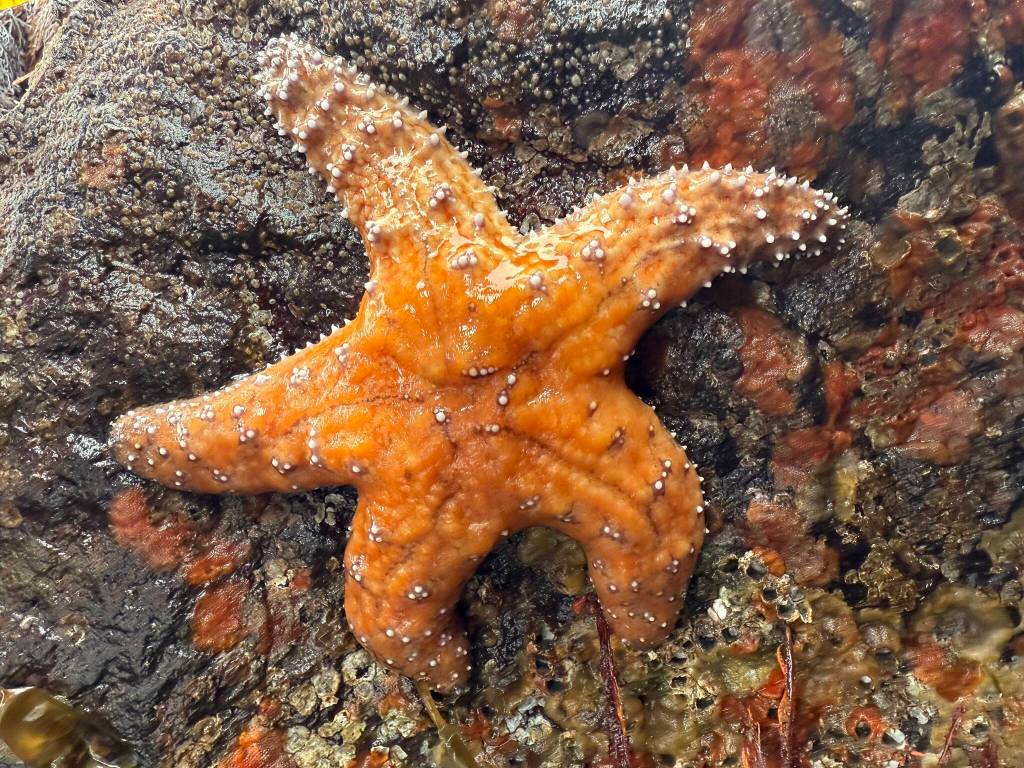
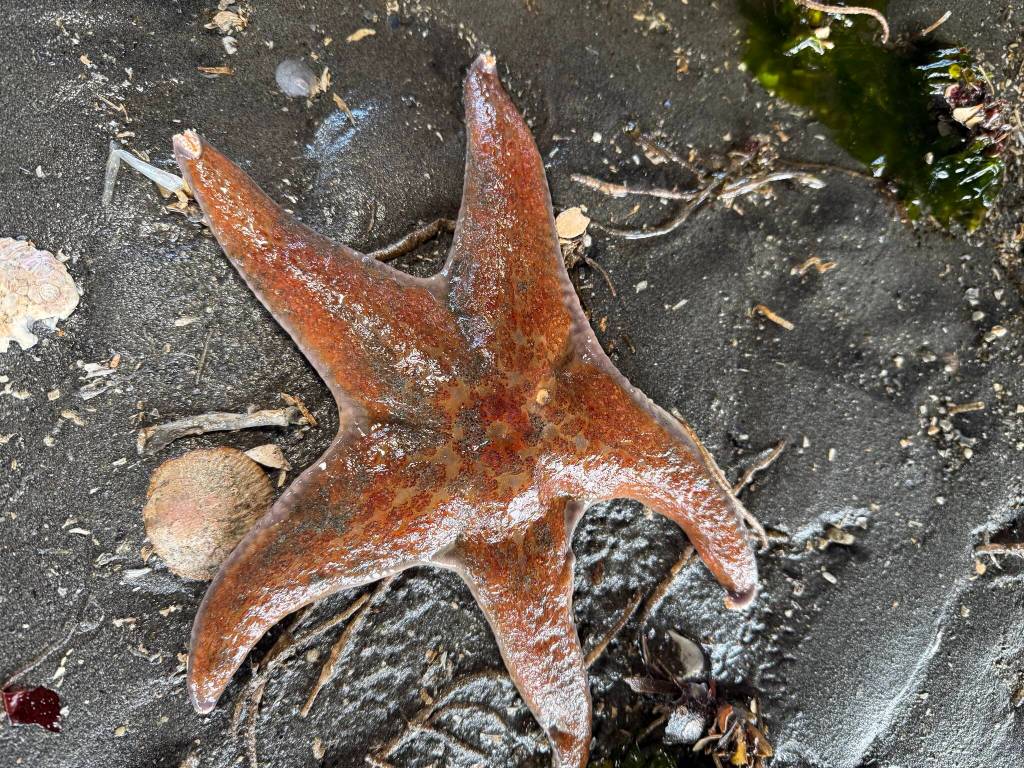
Sea star wasting disease training: On April 18, Vashon Nature Center will host a sea star wasting disease monitoring training from 11 a.m. to 1 p.m. The training is aimed at community members interested in participating in community science and ocean restoration efforts.
Participants will learn how to identify sea star wasting disease and its different stages, record their findings and teach others what they have learned so they can support the Nature Center’s education and monitoring work.
“Ocean” screening: On April 21, Vashon Nature Center will host a free GreenTech night screening of “Ocean,” featuring David Attenborough, at Vashon Theatre. Doors open at 5:30 p.m. for the 6 p.m. showing. Co-director Maria Metler will introduce the film and speakers who will briefly discuss marine conservation before the screening.
The documentary examines the current state of the ocean, the effects of human activity on marine life and the importance of marine conservation, while also showcasing ocean ecosystems in a way organizers said they hope will inspire people to protect them.
Visit vashonnaturecenter.org for more information.
LB SEW STUDIO
Granny’s Project Runway Challenge: On April 18, LB Sew Studio will host its Earth Day class, the Granny’s Project Runway Challenge, from 10 a.m. to 6 p.m.
Participants are invited to bring up to 10 items from Granny’s and experiment with transforming thrifted clothing into new looks. The class is geared toward beginning sewers and will include hand sewing, machine sewing, pinning, measuring and cutting. At 5:30 p.m., the Vashon Village courtyard will transform into a runway, with beverages and snacks served by The Wine Shop. Organizers are encouraging attendees to invite friends to watch.
For more information visit: lbsewstudio.com.
VASHON MAURY-ISLAND LAND TRUST
For Earth Day, Vashon Land Trust’s Jenny Stamper is highlighting one practical way islanders can support local ecosystems: removing invasive plants that threaten native habitat and biodiversity:
The weather is warming up, and there is new growth everywhere you look. While much of this greenery is welcome, invasive weeds are also taking advantage of the seasonal rains and sun to grow, produce fruit and spread across the island. Tackling invasives in the spring is a great way to give back to the land that gives us so much — no pre-scheduled work party or event required.
Removing invasive weeds is often not a one-and-done task, but monitoring your property annually can help catch new growth early, making removal easier over time.
Pulling these problem plants allows native species to flourish by reducing competition for nutrients and improving habitat and biodiversity both in your yard and across the island. Here are some common weeds that may be lurking in your yard, along with tips for manual removal.
English ivy: This tricky foe spreads by root, vine and seed. Ivy climbing trees can be particularly dangerous because the vines add excessive weight and siphon resources from the tree, increasing the risk of windthrow or broken branches. If ivy is climbing structures or trees on your property, cut the vines at the base and remove the roots. The top growth can be removed after six to eight weeks, once it has died. For grounded ivy mats, lift them with a digging fork or other tool, then dig out the roots. Dispose of ivy at the transfer station. Do not home compost it, as this will create another ivy pile.
Holly: For smaller seedlings and shrubs, we recommend digging out the roots and pulling the plants. Larger, more established trees may need professional intervention — please reach out to the Land Trust, and we can share resources. If the holly plants have berries, it is crucial to bag the berrying branches and dispose of them in municipal garbage. Composting berry-laden branches will allow the seeds to germinate, creating more holly to dig up next year. Holly can look similar to our native Mahonia, or Oregon grape.
Himalayan blackberry: While its fruits are a late-summer treat, Himalayan blackberry can do serious damage to our island ecosystem. The brambles can quickly overwhelm young native plants, creating an understory monoculture. Spring is the best time to tackle the spiny blackberry canes, as the ground is still relatively soft. First, cut back the canes. Our target is the root ball, so clearing to the base of the plant is key.
With a shovel, you can then dig out the crown to prevent new sprouts from forming. For large infestations, mowing or befriending your neighbor’s goat herd can help, though you will need to cut back new growth multiple times a year over several years to exhaust the root system. Once your bramble is cleared, take the canes and roots to the transfer station, as they can reroot if left on soil. Look closely to differentiate between the invasive blackberry and our native Pacific trailing blackberry.
Removing invasive plants can feel daunting, but the results are well worth it. If you have questions about getting started, please reach out to the Land Trust.
We can offer advice on DIY invasive removal or point you toward professionals if needed. And if your yard work is complete, but you are craving more shovel time, you can sign up to volunteer with our Stewardship Crew, which is out in the field every day working to improve the health of our island’s wild places.
For more information, visit vashonlandtrust.org.