Facing the rise of anti-semitism
Published 1:30 am Wednesday, May 22, 2019



Last month while members of our congregation were studying Torah together at the Havurah, another congregation in San Diego was also honoring shabbat and celebrating the end of the Passover holiday. Horrifically, a shooter entered the building and open fired at the congregation. Lori Gilbert-Kaye bravely jumped between the shooter and the rabbi and lost her life. The shooter then pointed the gun at children, injuring one girl and two men near her trying to intervene. If not for his gun jamming and the brave intervention of two congregants, more children could have died.
Once again, we must face our grief, anger and shock that this is happening in the United States and that Jews, Muslims, African Americans, people of color and other groups are being targeted by hateful and deadly rhetoric.
In response, the Havurah hosted a shabbat service and invited people from different cultural/spiritual/religious paths to join us. I was touched as once again the community showed up to support us as we grieved needless death, injured people and the loss of yet another piece of the security and safety we have felt as Jews in America over the last 50 or more years. It felt important in the face of the attack that we continue to be Jewish clearly, proudly and visibly. In the face of growing anti-semitism in this country and the world, it is my hope that we continue to do so.
Anti-semitism is a complicated oppression, and one that even many Jews have trouble understanding. It is cyclical, seeming to go away and then popping up again just when it seems Jews are safe and comfortable. During my parents’ and grandparents’ time before World War II, anti-semitism was still institutionalized in this country; colleges had Jewish quotas; Jews were refused jobs, and many clubs prohibited Jews from joining. Even when I was a child growing up in the 1970s, my family was not allowed to join the local yacht club, which had a “no Jews” policy into the 1980s. My uncle changed his name from Greenberg to Greene for a job interview, hoping to disguise that he was a Jew, but during the interview the interviewer asked him directly if he was a Jew, and my uncle said yes. He was refused the job. Redlining, a policy that targeted African Americans, making it difficult for them to buy homes in “white” neighborhoods, also applied to Jews and other groups in many neighborhoods; in fact, areas of Seattle still have “no Jew” prohibitions written into the deeds of homes to this day.
After World War II, the world was horrified by the Nazi holocaust, and it seemed to many that anti-semitism was a thing of the past. Jews became accepted as “white” and with that, benefited from all the white privilege that still causes grave inequity in this country. My generation grew up feeling the stories of my parents and grandparents were things of the past and that it was a new world for us as Jews.
Sadly, anti-semitism has been on the rise world-wide in the past few years, and it shows up both on the left and the right. Anti-semitism’s cyclical nature can make it seem non-existent, and in the left’s fight against intolerance of all forms, anti-semitism is often left out. People can be unaware their implicit bias often includes old tropes of Jews controlling the media, money and politics of the world and not holding allegiance to the countries we live in.
On the other end of the spectrum, people on the right often call out anti-semitism while at the same time upholding and supporting white supremacist groups that are deeply racist and anti-semitic. They know that Jews in large majorities are Democrats and use their false concern to divide the left. In truth, anti-semitism is intricately woven with other oppressions, and understanding its workings is crucial to true liberation of all people.
The current administration has created an atmosphere of intolerance toward many minorities, and hate crimes against Jews have gone up by 37% this past year. Anti-Jewish tropes have found their way into political speech and even into the international issue of the New York Times, where an anti-semitic cartoon was published a few weeks ago. The newspaper apologized profusely, yet it is symptomatic of the times we are in.
There are never words that express the feelings that confront us when horrific violence happens and we are faced with intolerance and the hatred it breeds. It is important to educate ourselves, check our own implicit bias and call out hatred where we see it. Let us remember and honor those whose lives have been lost or disrupted because of this hatred and be especially kind and tender with each other as we continue to fight for a better world.
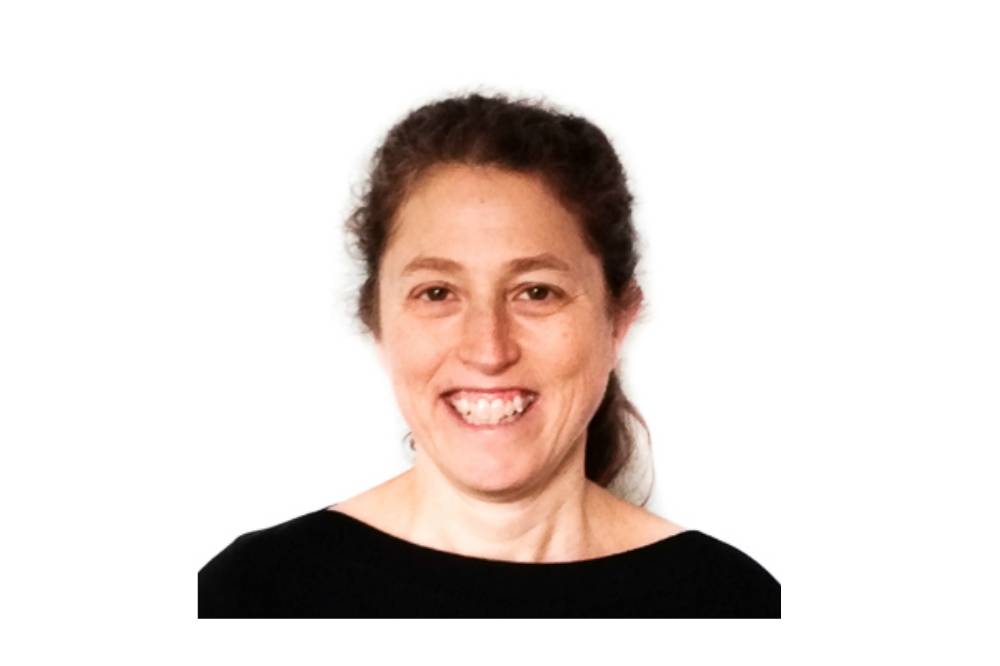
— Suzanne Greenberg lives on Vashon and is the president of Havurat Ee Shalom, the island’s Jewish community.