Fire commissions approve levy and budget, discuss staffing
Published 1:30 am Wednesday, December 8, 2021
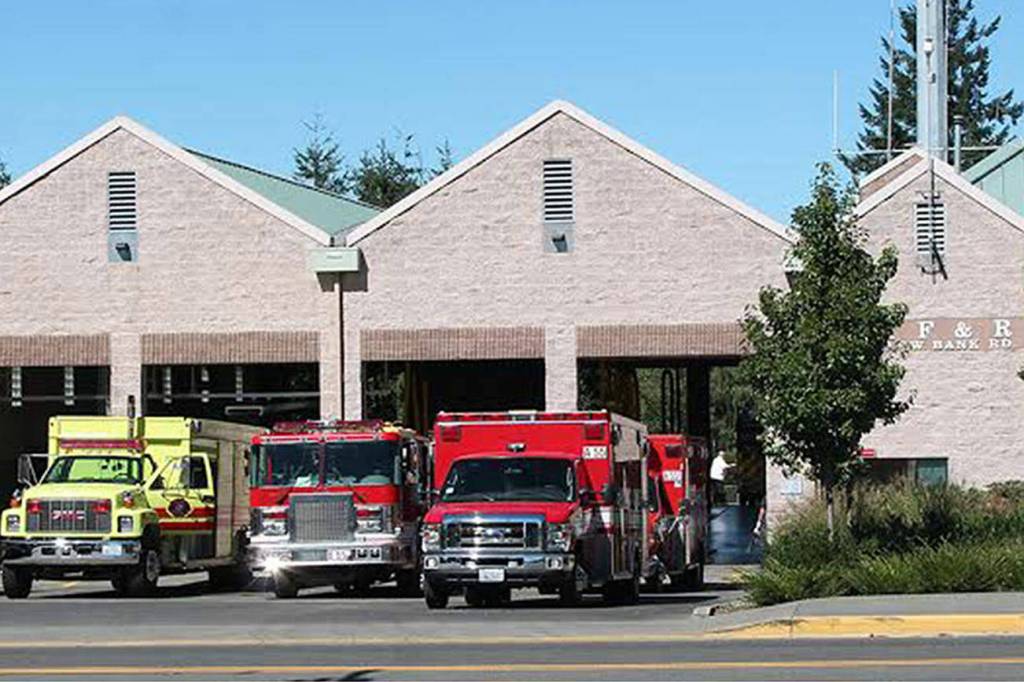
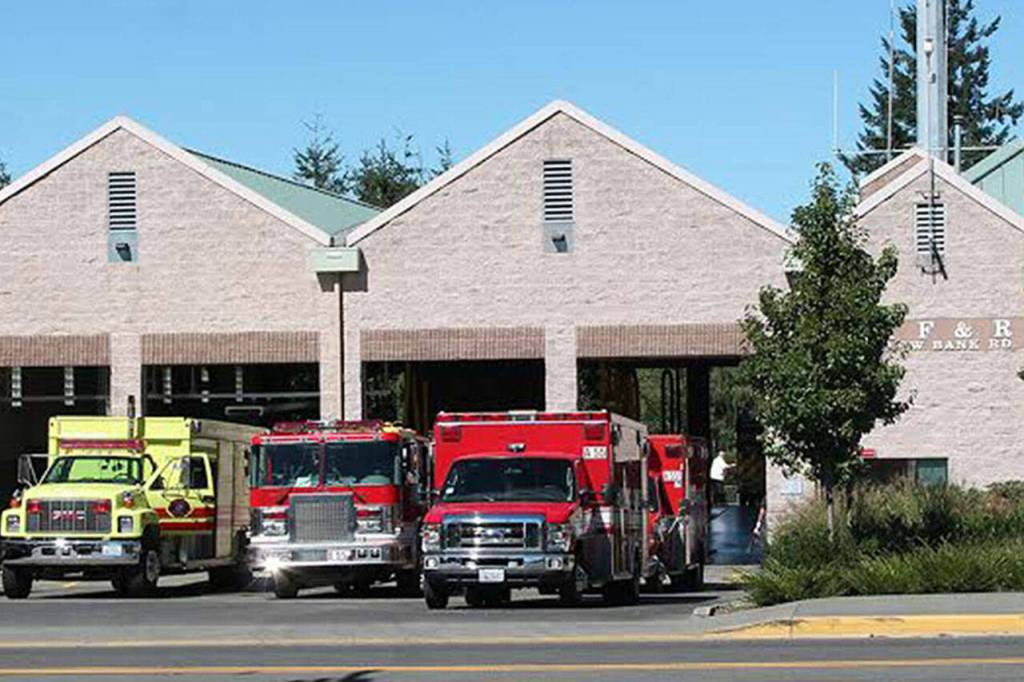

Vashon Fire & Rescue’s board of commissioners has approved its 2022 budget, along with a levy that will collect approximately $5.3 million from property owners at the rate of approximately $1.36 per $1,000 in assessed property value.
The levy, approved at a Nov. 24 commissioners’ meeting, will bring in approximately $300,000 more than the district’s 2021 levy, and fund virtually all of the district’s expenses for 2022, which the new budget forecasts at slightly over $5.1 million.
In all, total revenues for the district, including the levy, are forecast to bring about $5.9 million into the district’s coffers. Given the difference between projected income and expenses, the budget calls for $550,000 in revenue to be transferred to the district’s four reserve funds set aside for general, fleet, facilities and equipment costs.
As of Oct. 31, these four reserve funds already collectively totaled approximately $3.7 million — funds that Fire Chief Charles Krimmert and commissioners have repeatedly said are needed in case of major unforeseen expenses including the replacement of extremely costly equipment and vehicles.
According to budget documents, VIFR’s 2022 budget will increase 8.9% from 2021, allowing increased spending in some expense categories.
These include an almost $19,000 increase in spending on testing and hiring of employees and just over $363,000 in increased salary costs for firefighters and Emergency Medical Technicians (EMTs). Line items for overtime allowance, retirement funding and payroll taxes are correspondingly up in the 2022 budget as well.
For 2022, building and grounds costs and expenses are projected to decrease by about $27,000; disaster preparation costs and expenses are also projected to decrease by $10,500.
According to VIFR’s working budget document, which tracks and compares annual income and expenses for the department from 2016 through 2022, the single biggest expense for the department is personnel.
In 2022, personnel costs will comprise approximately 78.5% of the district’s budget — with “personnel” defined as all employees, not only first-responders.
VIFR’s current paid staff stands at 15 full-time trainers and first-responders, eight part-time first responders and seven administrative personnel including the fire chief, assistant chief and facilities and maintenance workers. A total of 26 volunteers, including firefighters, EMTs and support personnel, also currently augment the district’s force.
At the two most recent commissioner meetings, representatives of the volunteer force have played a vocal role, with commissioners and the fire chief expressing their thanks and vowing support for the volunteer force.
But at the same time, volunteer firefighter/EMT Lizzy Corliss has asked the board and administration to investigate how other fire districts incentivize volunteers, suggesting that there are many resources to explore which could provide an improvement to the way VIFR works with its volunteer force.
Another issue affecting all first responders including volunteers has also been discussed at the past two meetings — an increase in the number of “Zone 1 callbacks” in the past year.
The term refers to the process by which off-duty firefighters and volunteers are called to return to the station when all on-duty personnel are engaged in calls, emptying the station of first responders to answer additional calls that may come in. Zone 1 callbacks also happen in the case of major incidents requiring a high number of first responders.
At the Nov. 24 meeting, commissioner Camille Staczek reported that there have been more than 40 such Zone 1 callbacks in the past five months, disproportionately affecting the volunteer force.
She said the number of callbacks might be used as a metric to suggest VIFR is currently understaffed with career firefighters — a position with which Krimmert disagreed.
However, commissioner Brigitte Schran-Brown agreed with Staczek and went further, casting the board’s only “no” vote to the proposed levy and budget, saying that it needed to include a more robust plan to hire more full-time firefighters.
Schran-Brown, whose commissioner term ends in December, also objected to line items in the budget in the revenues section for fees that would be charged to the insurers of those assisted in vehicle accident responses and structural fire responses.
Although $0 was entered for these line items, Schran-Brown said that even having the items appear on the budget sent a bad message to community members whose property tax dollars already well supported the fire department.
Earlier in the meeting, Krimmert announced that VIFR had extended conditional job offers for four full-time firefighters positions, and that of those four offers, three had been conditionally accepted. Three of the positions were new; the other was to fill a position vacated by a firefighter whose employment ended due to Jay Inslee’s vaccination mandate.
Two of the full-time offers, he said, were made to current VIFR part-time firefighters, opening up those positions as well.
The board also discussed the hiring process to fill the post of the district’s assistant chief, following Bob Larson’s retirement, which will be effective Jan. 1.
The process is expected to take three to six months, Krimmert said, and will likely involve hiring an outside consultant — the same headhunting firm, Prothman, which assisted the district in Krimmert’s hire as chief in 2016-17.
Line items in the 2021 budget report for outside consultants was noticeably up in the past year, with VIFR spending almost $34,000 for legal services in 2021, as of Oct. 30 — an amount 305% over the budgeted allotment of $11,000.
At the Nov. 26 meeting, Krimmert attributed that amount to costs incurred obtaining legal advice in contract and other negotiations with the firefighter’s union, as well as to issues that arose from Gov. Jay Inslee’s proclamation that first responders be vaccinated against COVID-19 — a mandate Krimmert himself publicly opposed for weeks before deciding to become vaccinated in response to it.
Legal counsel was also required to deal with another incident in September when both Larson and Krimmert were sanctioned by commissioners over misconduct involving a discourteous interaction with a member of the public.
Professional services were also over budget from 2021, as of Oct. 31, at $74,000 versus $40,000 budgeted for the year — with the bulk of these services required for the sale of the Bennedsen house, owned by the department, which netted revenues of $850,000 for VIFR.
A final topic up for discussion at the meeting was a first look at a mandatory COVID-19 vaccination policy template, as mandated by federal executive order 14042. Adoption of the policy, which district secretary Rebecca Pollock said was recommended by the department’s legal counsel, will be further addressed by the commissioners at future meetings.