Vashon Park District: Decision on dock to come soon
Published 1:30 am Thursday, October 20, 2022
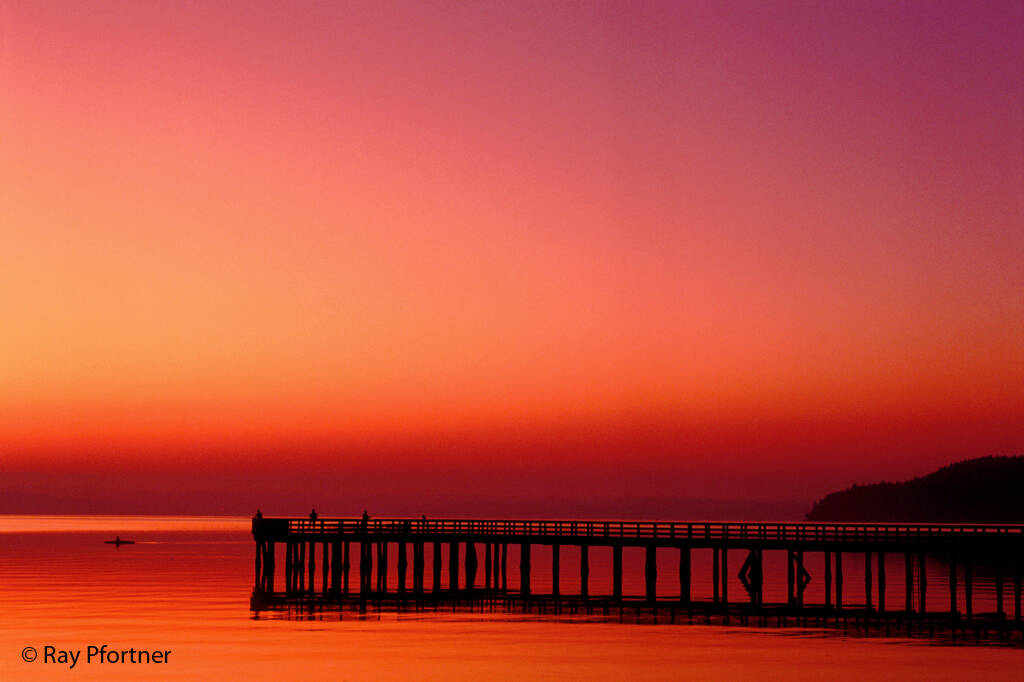
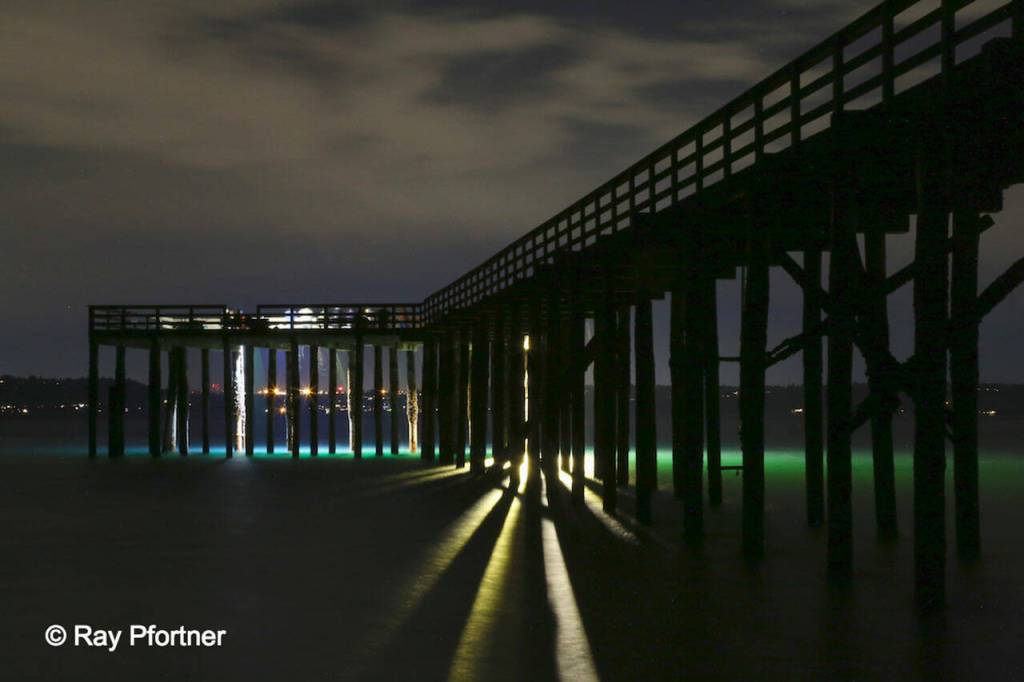

After years of analysis and consultation, the Vashon Park District (VPD) is now reviewing three costly options to either repair or replace Tramp Harbor dock, one of Vashon’s most iconic landmark sites.
A draft fact sheet, linked to the home page of vashonparks.org, details the current options that have been presented to the VPD board by its longtime consultant, KPFF Consulting Engineers (KPFF) — projecting costs between $4.3 million and $2.7 million, depending on the project chosen.
A fourth and much less costly option is also still on the table — to demolish the dock entirely, at a cost of $424,000.
The picturesque 340-foot-long dock — the island’s most “deep water” fishing pier and also a beloved spot for birding — was closed in 2019, after KPFF determined that deterioration of multiple pilings made the dock unsafe for use by the public.
Washington’s Department of Natural Resources (DNR) and VPD’s insurance company also concurred on the decision to shutter the dock.
This summer, VPD again retained the services of KPFF to analyze potential repair and replacement alternatives for the pier.
The firm’s most recently completed condition assessment of the dock — a dive inspection of 87 of the total 98 pilings that were below the waterline — found that the areas identified in past assessments had generally progressed in deterioration and additional areas of deterioration were also observed.
Fourteen of the pilings had sustained moderate to severe damage; 13 had sustained heavy damage resulting in their being effectively destroyed; and one pile that was previously listed as having significant section loss was now completely missing, according to the fact sheet.
Board seeks input to decide dock’s future
Now, having received further recommendations from KPFF outlining possible courses of action, the board is on track to make a decision by the end of the year that will determine the fate of the iconic dock.
In an email, VPD Executive Director Elaine Ott-Rocheford detailed the progress made by the board on this complex decision, as members worked through what she called “vital but time-consuming steps” in working with both the state and tribal groups represented by the Northwest Indian Fisheries Commission, and in assessing physical inspection and analysis of the dock.
“This has been a long process because we take this seriously, and we want to preserve the dock as much as possible,” Ott-Rocheford said.
The board is now ready to inform and engage with islanders about the options, she said, urging members of the public to attend VPD’s next board meeting to find out more about the considerations at play in the decision.
The meeting will be held at 7 p.m. Tuesday, Oct. 25, at the Ober Park Administration Building, at 17130 Vashon Hwy. SW, or via Zoom, at a link published prominently on vashonparks.org.
Ott-Rocheford also urged islanders to contact her with any questions or comments about the project, at eott@vashonparks.org.
Repairing or replacing the dock will cost millions
Three different options for repairing or replacing the dock are currently on the table.
All would involve shortening the dock’s platform in order to bring it into compliance with the terms of VPD’s lease, renewed in 2021, with the State Department of Natural Resources (DNR).
While VPD owns the dock and the first 180 feet of tidelines underneath, an additional 160 feet of the tidelines belongs to DNR.
According to the terms of its lease with DNR, VPD is required to meet new code requirements that remediate creosote leaching from the pilings, as well as provide for light penetration through the dock to the tidelands below.
Additionally, a portion of the outer platform of the dock is located over the Point Heyer Geoduck Tract, requiring the portion of the dock extending past -18 feet Mean Lower Low Water (MLLW) be removed and not replaced, as required by the non-negotiable tribal treaty rights.
Both tribes and DNR retain harvesting rights to the Tract.
“It has to remain clear,” said Ott-Rocheford. “There cannot be cables, pilings or overhead structure that impede their ability to safely harvest.”
Options on the table
The least expensive option detailed by VPD would be to demolish the existing dock at an estimated cost of $424,000.
The most expensive option, as outlined by KPFF, would be to repair the existing dock, maintaining its walkway width but shortening the dock’s platform from 340 to 325 feet, at an estimated cost of a hefty $4.3 million.
KPFF’s outline of the repair project includes the installation of new, 100% fiberglass reinforced plastic deck grating to meet the DNR light penetration requirement, replacing deteriorated pilings with steel ones, and jacket wrapping all other pilings.
However, in its report to VPD, KPFF warned that repairing the dock could come with deferred maintenance costs to repair pilings not selected for replacement, and an additional concern — King County might not allow its repair without VPD being able to show that the structure meets current seismic standards.
For these and other reasons, KPFF has recommended that VPD consider replacing the structure, instead of repairing it.
Two choices for replacing dock
According to KPFF, the estimated cost for one choice to replace the existing dock would cost $4 million — almost as much as its repair.
This choice would maintain the dock’s walkway width, but shorten the length of its platform from 340 to 325 feet, and feature a 100% steel grating deck. All current pilings, according to this design, would be replaced with precast concrete pilings.
The second option proposed by KPFF to replace the dock would cost less — $2.7 million — but dramatically change the look and feel of the dock.
In this option, the walkway width would be reduced from 11.5 feet to 4 feet, meeting the requirements of the Americans with Disabilities Act.
This option would also include installing three 11-foot by 22-foot step-out platforms, including one at the end of the pier walkway.
Who pays for the dock’s replacement?
According to the fact sheet provided by VPD, funding for the various projects could come from a variety of sources, including $800,000 from VPD.
Three grants, from the Washington State Recreation and Conservation Office, are expected to total another $1.5 million for the project. Additional fundraising, in amounts varying from $400,000, for the least expensive option, to $2 million for the most expensive, would also be needed.
According to Ott-Rocheford, the Board is now seeking input on the following questions:
• Is $800,000 of VPD funds an appropriate use of taxpayer dollars?
• If the community desires a $4 million dock – maintaining most of the present footprint except 15 feet of the length — is fundraising $1.7 to $2 million a reasonable expectation?
• Would the community support a $2 million bond?
The dock’s long history
The Tramp Harbor Dock rests on the site of the island’s very first automobile ferry, from Vashon-Maury Island to Des Moines.
After the ferry was discontinued in 1921, the former ferry dock was converted to an oil dock to bring petroleum products to Vashon-Maury Island. At that time, the Standard Oil Company leased the dock from King County.
The ferry dock’s landing platform and the present picnic area were constructed for oil tank storage, a fuel dispensing station, and a garage. The dock was reconstructed in 1939. When Standard Oil stopped using the pier in the mid-1980s, the fuel storage site was demolished.
King County, which still owned the dock, converted it into a public fishing pier and then deeded it to the Vashon Park District in 1995.
Islanders to VPD: dock is important
In 2015, as part of VPD’s process to renew its lease of tidelands from DNR, the district solicited public input on the dock’s usage.
In response to a VPD survey that garnered 753 responses, 76% of the respondents felt the dock was important.
Forty percent utilized the dock for wildlife watching, while 22% said they used the dock for fishing.
Two community meetings were also held during that time, with a subsequent public meeting in 2019.
The 2019 meeting, which took place as the dock’s closure was announced, resulted in the formation of a citizen advisory group, which has actively participated in decision-making about the dock’s fate, according to Ott-Rocheford.