Fawning does present road dangers
Published 1:30 pm Wednesday, April 23, 2025
On Vashon’s dark, winding, forest-lined roads, bounding deer can be one of the greatest dangers to distracted drivers.
Many islanders are well-acquainted with the fall rut — the mating season that brings out more reckless behavior from deer in October and November.
The fawning season comes seven months later, as pregnant does get ready to give birth. Though deer-vehicle collisions tend to peak in the fall, springtime presents its own set of dangers for these mothering does.
Does start birthing fawns as early as mid-April and through the summer. They often carry twins and can pack on 25 pounds during gestation. While they are well-suited to the forest floor, deer hooves don’t grip asphalt well, and pregnancy weight makes does clumsier and even more likely to slip on pavement.
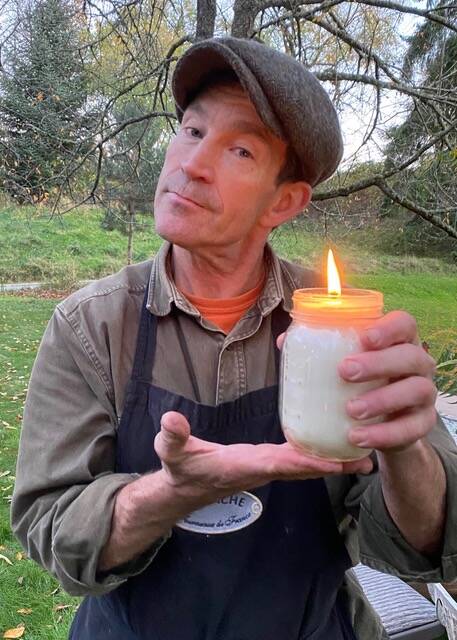
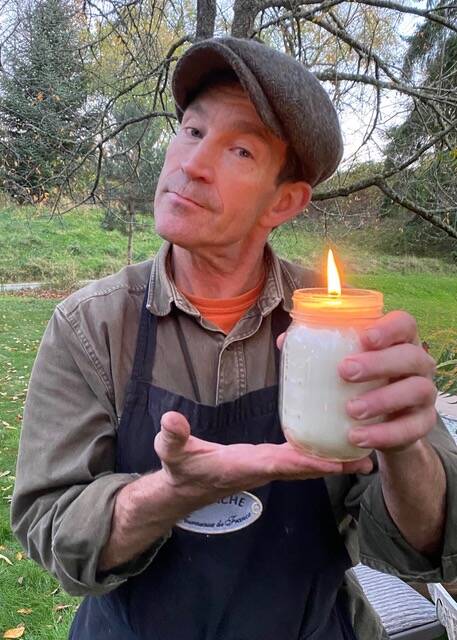
That’s why local deer enthusiast and bowhunter James Cottrell says now is the time for drivers to practice vigilance and remember to slow down and look out for deer, especially pregnant does, on the road.
Cottrell likened a full-term doe facing an oncoming car to a “pregnant woman attempting to run on ice in high heels.” They “are nearly that vulnerable on our roads now,” he said.
Cottrell is part of a network of islanders who salvage deer unintentionally struck and killed by motorists. Working with police, he helps connect roadkill reports to other locals who salvage venison. He’s also one of 123 members of the “Vashon Deer Recovery” Facebook group, where members report roadkill.
Over the past decade, Cottrell estimates he has helped salvage around 50 deer — about a quarter of which were does pregnant with twins.
“For these roadkill recoveries — it’s so sad that they got killed like that, but let’s make the best use of it to honor the life of the animal,” Cottrell said.
Cottrell has salvaged multiple deer along the north end of Vashon Highway and theorizes that more deer are hit there due to drivers speeding to catch the ferry.
Salvaging deer and elk from vehicle collisions has been legal since 2016, based on a rule adopted that year by The Washington Department of Fish and Wildlife. Individuals must obtain a free salvage permit from the department within 24 hours of collecting the carcass, and whoever collects the remains is also responsible for properly disposing of all the unused parts.
Deer can’t be thrown in the trash — the remains must be buried or otherwise disposed of in accordance with state law. King County Roads Services is responsible for removing any carcasses that no one salvages.
Under state law, wounded animals can’t be killed for the purpose of salvage. A law enforcement officer must be called to euthanize the animal first, whether or not it is then taken for salvage.
King County Road Service data indicates that reported rates of deer-vehicle collisions remained steady on Vashon throughout 2024 — about 10 collisions every three months — despite broader state and national trends pointing to seasonal peaks and valleys in collision rates. Cottrell says his experience salvaging on the island points to both spring and the rut as peak times for fatal deer collisions.
The Washington State Department of Transportation assumes that any submitted reports of roadkill collisions are the bare minimum. WSDOT cited one New York study that estimated that for every one documented deer-vehicle collision, five more went unreported. WDFW has issued only 22 salvage permits for roadkill on Vashon over the past five years.
Whether hunted or salvaged, Cottrell says that 85% of his meat diet comes from venison. Beyond what he eats and gives away, he finds a use for most of the rest of the carcass: He eats the heart, tongue and liver, incinerates the skeleton into bone meal for his garden, and gives high-fat scraps to dogs and small portions to chickens.
“I use every possible bit of meat,” Cottrell said.
Cottrell says he learned to hunt and dress deer from Cassius Styles, his honorary grandfather and a national longbow archery champion. That chain of wisdom informs Cottrell’s perspective on the animals today.
“It’s a funny thing for some people to try to understand, how can you be so fascinated and have affection for these deer and then shoot them?” Cottrell said. “Cassius was good about helping me learn that if I did it with respect and was careful about not wasting that, that’s how life goes.”
Mari Kanagy is a contributing journalist to The Beachcomber.