County buys third easement protecting Camp Sealth from development
Published 1:30 am Tuesday, August 5, 2025


More than 100 acres of the wending trails, wooded groves and open fields at Camp Sealth are becoming newly protected from development, in perpetuity, at the iconic south end camp.
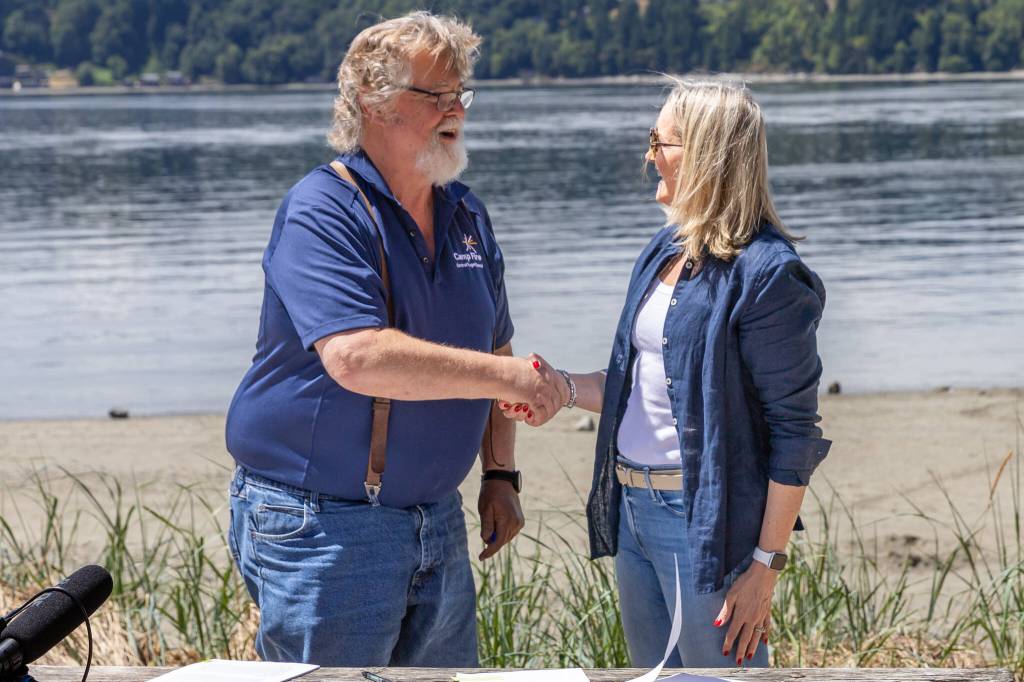
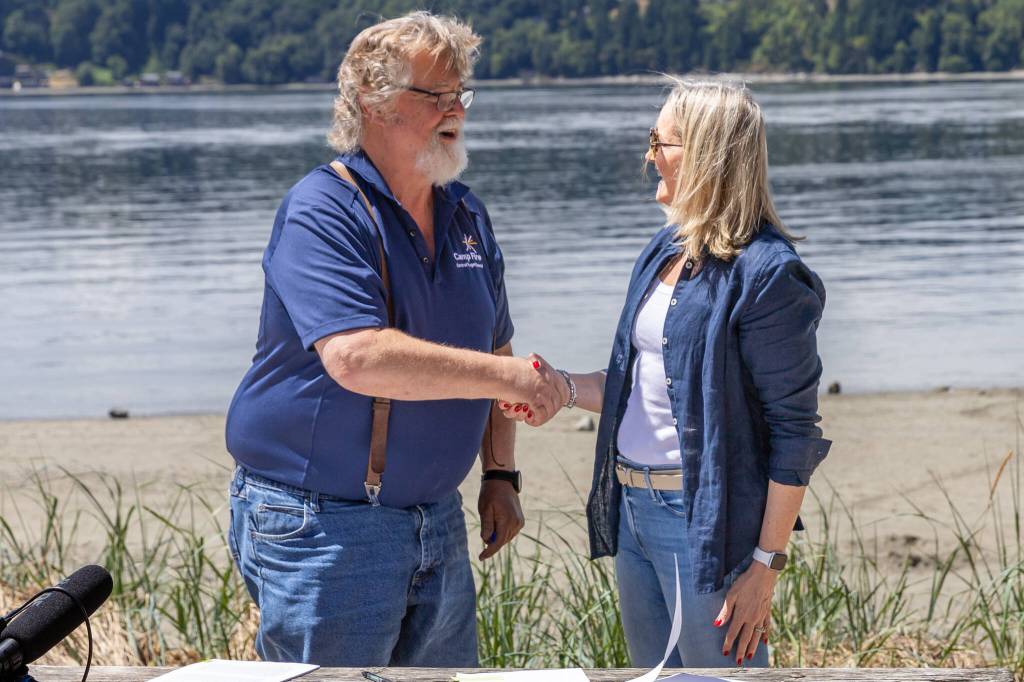
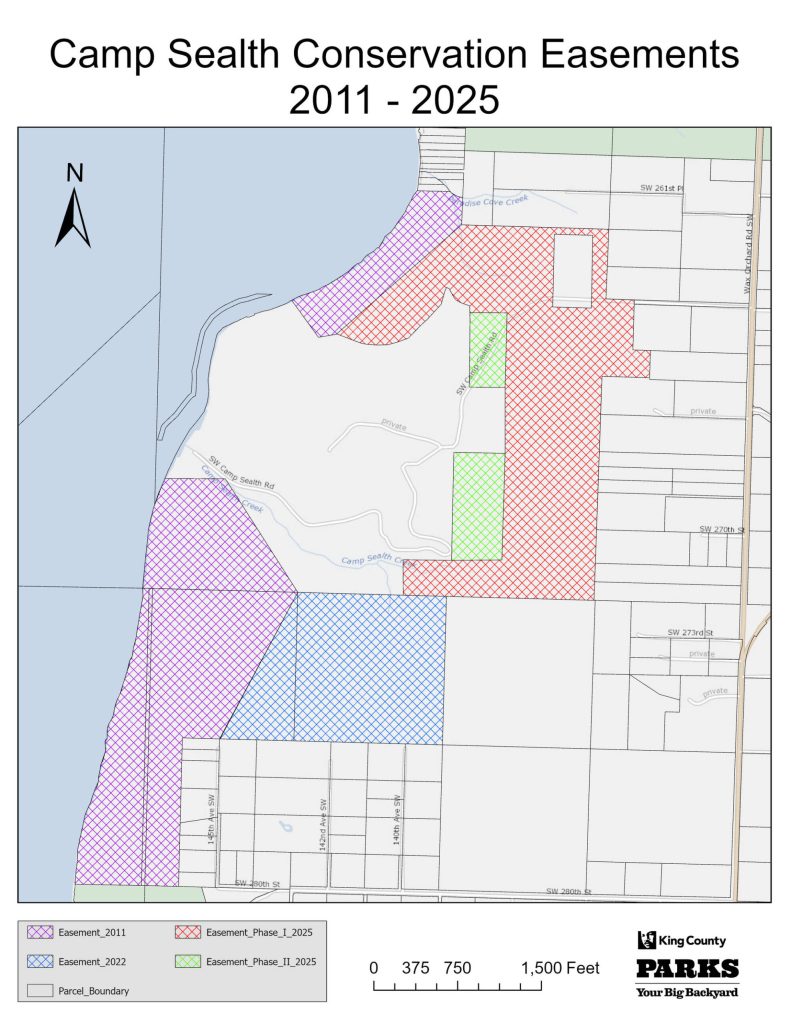
Camp Fire, the nonprofit which owns and operates Camp Sealth, signed an agreement last month for King County to buy the development rights of 106 acres of the northeast part of the camp from the nonprofit.
“To be able to preserve this property in its pristine natural setting forever, basically, just brings joy to my heart,” Camp Fire Executive Director Rick Taylor said at the easement signing ceremony July 10.
“King County’s true north is creating a welcoming community where every person can thrive, and I think creating really health outdoor spaces is a really important part of that,” King County Executive Shannon Braddock said.
King County will pay $3.85 million, which includes both Conservation Futures and Parks Levy funds, for the land rights, according to a county spokesperson. The two-phase deal is set to fully close in September.
This recent transfer is the third and biggest land right purchase of its kind between the camp and King County.
In 2011, the county purchased the development rights for 101 acres of the camp for $930,000. It similarly purchased another 51 acres in 2022 for $1.075 million.
Both of those purchases were made possible through the county’s Transfer of Development Rights or “TDR” program, but the most recent easement purchase was not made through that program, according to the county.
The purpose of the county’s TDR program is to steer development away from rural areas and into urban areas. It essentially swaps the development that could have happened at the purchased property to a different, already developed area. For example, in exchange for limiting development at Camp Sealth, a developer in downtown Seattle might be able to build a few floors higher.
The end result of the three purchases is that altogether, about 257 of Camp Sealth’s 380 acres — two-thirds of the property overall — will be protected from development by these easement purchases.
This will likely be the last conservation easement on the property, Taylor said, “as the remaining acres include the core of our camp buildings and structures.”
The easements ban construction, logging, road-building, shoreline-hardening or other kinds of development, but Camp Fire still owns the properties under these easements and retains all other land ownership rights, including forest management. It doesn’t prevent them from doing work on the property to maintain or improve the camping experience.
According to the county, Camp Fire can still, for instance, prune or remove trees and shrubs to promote forest health or protect public safety; remove smaller trees to build new camp sites; and build temporary shelters, campfire pits, unpaved trails, bathrooms, picnic shelters and other small, low-impact recreational structures.
“Camp Sealth will continue to use these forests, fields and trails, as we always have for all traditional camp activities like horseback riding, overnight sites, nature studies, as well as program areas like archery and challenge course,” Taylor said.
Both parties in the agreement see it as a win-win. Cherished land at the century-plus-old Camp Sealth, which serves about 7,500 youth and families every year, is protected from the economic forces which occasionally pressure summer camps, and King County’s payment helps Camp Fire maintain its facilities and grounds.
Taylor said that Camp Fire’s leadership team and board of directors are currently working on a plan for using the proceeds of this most recent easement sale.