Kelp farm lease in default after equipment sinks
Published 1:30 am Tuesday, August 12, 2025
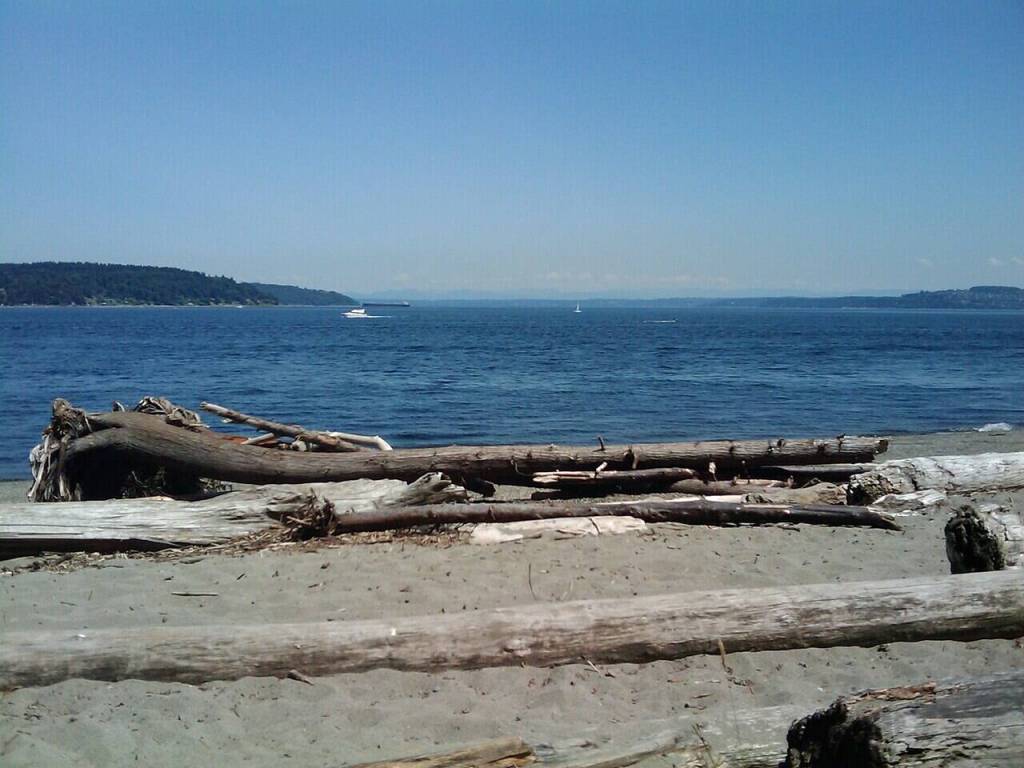
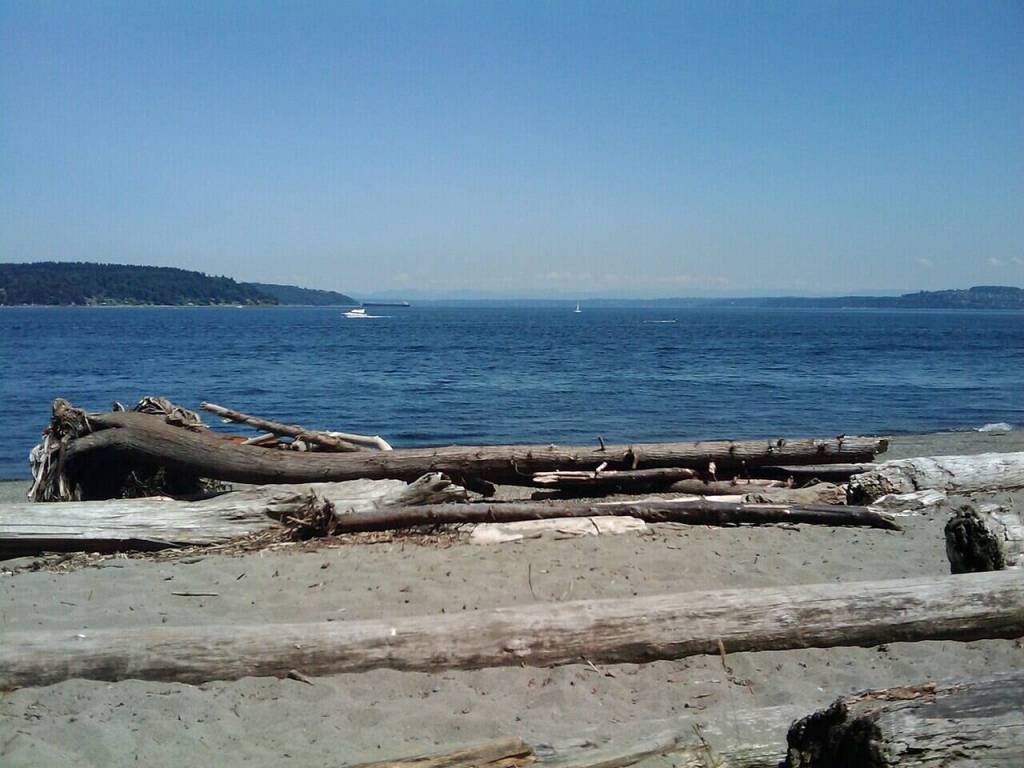


A Vashon-based kelp-growing operation is in default of its aquatic lease with the state after a 984-foot floating array broke free in March, sending the array and five kelp-laden lines attached to it into Dalco Passage south of the island.
All told, some 3,000 linear feet of line in five separate segments sunk to an estimated depth of 500 feet in Commencement Bay, according to Brady Scott, assistant division manager of the state Department of Natural Resources’ Aquatic Resources Division.
Mike Spranger and Gretchen Aro, owners of Pacific Sea Farms, had until July 30 to retrieve the equipment, the first step toward “curing” their defaulted lease and resuming operations, Scott said. So far, though, they’ve not been able to locate all of the lost gear.
The state ordered the two business partners to remove their other array from the farm. No farming is currently taking place at the site, Scott said.
“They cannot do any aquaculture in their leasehold until we get revised engineering documents, and none of that has happened because the focus has been in recovering the lost gear,” Scott said.
Spranger, in an emailed statement Monday afternoon, said he and Aro responded quickly to the March incident and are working closely with the state to recover the lost gear.
“Within hours of this occurring, there was a vessel on site removing the gear that drifted outside the lease area from the water. All gear that could be safely removed from the water at that time was removed,” Spranger wrote.
“Some of the gear could not be safely removed at that time. We are consulting with technical experts and working diligently with the DNR to successfully address this matter. We look forward to fully resolving it soon and continuing to grow nutritious and delicious seafood for local consumers.”
Spranger did not respond to a follow-up question about how much gear they believe remains in Commencement Bay or if they disagree with DNR’s assessment.
The state awarded Pacific Sea Farms a four-year lease in September 2024, charging the company $5,984 a year for the right to cultivate and harvest sugar kelp, oysters, clams and mussels on 10 acres just west of Tahlequah in Colvos Passage.
The lease was one of Spranger and Aro’s last steps in a lengthy regulatory and legal process to realize their dream of becoming kelp farmers. Last year, in a video about kelp farming, they said they looked forward to becoming the third commercial kelp farm in the Puget Sound.
The business partners reached another milestone in May of this year, when they won an appeal in a legal challenge that began in 2023.
Sound Action, a regional environmental advocacy organization, challenged King County’s decision to award Pacific Sea Farms a shoreline development permit, contending — among other things — that the long lines attached to floating arrays created entanglement risks to whales. In September 2023, the Shoreline Hearings Board ruled in Pacific Sea Farms’ favor on all 14 of the legal issues before it.
Sound Action appealed the decision, and in May, the state Court of Appeals (Division 1) upheld the hearings board’s decision, saying Sound Action had failed to prove the farm would create entanglement risks to whales passing through the area.
Writing for the three-judge panel, Appellate Judge Michael Diaz also noted in the 30-page opinion that King County — in awarding a permit to Pacific Sea Farms — followed all required state and county laws.
The equipment failure occurred on March 28 or 29, when Spranger reported to the state that the array had broken free of the metal bar that held it in place, sending the array and its growing lines into Dalco Passage, Scott said.
Scott said Spranger worked quickly to try to retrieve the gear but couldn’t capture all of it. Spranger then hired a contractor to try to find the lost equipment using sonar — with an agreed-to deadline of July 30, Scott said. “I think it’s fair to say that they’ve taken this very seriously,” he said.
Spranger’s contractor thought he had found the equipment, but when the team sent a remotely operated vehicle into the depths to photograph or film what was there, they learned they were incorrect, Scott said.
Scott said state officials learned only a week or so ago that Spranger hadn’t met the July 30 deadline to locate his lost equipment. “We’re determining now what the next steps are,” he said. When asked, Scott acknowledged that one potential outcome is a revocation of Pacific Sea Farms’ lease.
Asked if the incident raised environmental concerns, he answered, “Absolutely. We don’t want to see that gear lost and remain on aquatic lands; that’s why we issued the default notice.”
Amy Carey, Sound Action’s executive director, learned about the equipment failure when contacted by a reporter. She said she was shocked to hear the news. Sound Action challenged King County’s permit for Pacific Sea Farm and appealed DNR’s decision to award it a lease, a challenge now pending before an appellate court, in part, she said, because of whales’ high use of the area.
“This is stunning — that this has happened in silence,” she said. “Since March 28, there has been no public information about this. Whales are in the area weekly. This is one of our exact arguments that was dismissed and ignored.”
“I’m sickened that this happened — but this is exactly one of the things we argued about,” she said.
Joe Smillie, a spokesman for DNR, said the state notified both King County and the U.S. Army Corp of Engineers about the default.
Kelp farming, common in other parts of the world, only recently began to take hold in the Puget Sound region. Blue Dot Sea Farms operates a five-acre shellfish and seaweed farm off of Hood Head in northern Hood Canal and Lummi Island SeaGreens began operating last year off of Lummi Island.
Other lease applications are in the pipeline, including a 10-acre application filed by Mike Kollins, owner of Vashon Kelp Forest off Fern Cove. In an email, Smillie said the state expects to make a determination about Kollins’ lease by the end of the year.
“We have not made a final decision because they are still providing us documentation related to their proposal,” Smillie said.
Kelp, a fast-growing seaweed rich in dietary fiber and omega-3 acids, has become increasingly popular in maritime circles. Proponents note the algae’s remarkable benefits — it can be eaten fresh or dried, turned into a snack, used as a sweetener, added to cosmetics or made into a biofuel. Growing kelp also helps the environment; it counters ocean acidification, a degradation of the ocean caused by climate change, according to scientists.
Others note that it represents a new kind of regenerative farming, meaning that it requires no fertilizers or pesticides to grow — “just sunshine and saltwater,” as Pacific Sea Farms says on its website.
“Marine environment stewardship is a big part of why we got into regenerative mariculture,” Spranger said in his email to the Beachcomber. “We believe that not only will our seaweed/shellfish farm be a nice, small, family-owned business, but it will be good for the environment.”
But Scott, when asked if this recent incident might hurt the nascent industry, said it likely won’t help. “I don’t think this is the best situation, for sure,” he said.
Leslie Brown is a former editor of The Beachcomber.