Drop, cover, hold on: A Nisqually anniversary reminder
Published 1:30 am Tuesday, March 3, 2026
Lessons from the 2001 Nisqually earthquake
Do you remember? Twenty-five years ago, the Nisqually earthquake struck our region. At 10:54 a.m. on February 28, 2001, the magnitude 6.8 earthquake shook our homes, offices, schools, and regional infrastructure for 30-40 seconds. It also triggered landslides and liquefaction. The earthquake injured about 400 people and caused one death. Total damages were estimated to be $2-4 billion. Almost 300,000 residences in the Puget Sound area were damaged (tinyurl.com/EQdamagePS). Things could have been far worse: improved building codes and personal and institutional preparedness made a difference. (tinyurl.com/NisquallyEQ).
The kids are alright: Retired Vashon High School teacher Tom DeVries recalled being in class when the earthquake hit. “The students were under their desks in seconds. It was impressive how they knew instinctively what to do, because of earthquake drills over the years.”
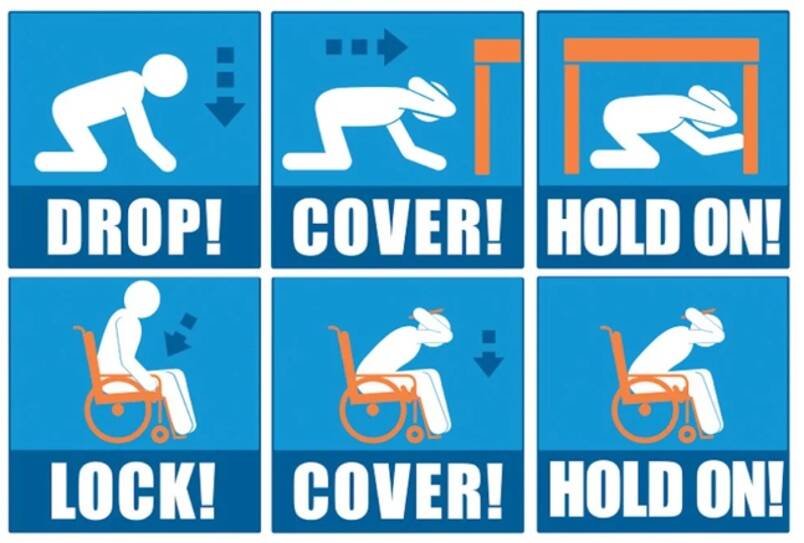
The students had rehearsed many times that when you feel an earthquake, you should immediately DROP to your hands and knees, COVER your head and neck under a sturdy table or desk, and HOLD ON to your shelter until shaking stops. If no shelter is nearby, you should crawl next to an interior wall, avoiding glass and falling objects.
What to expect: We live in a seismically active area where a major earthquake could occur any time. According to the U.S. Geological Survey, there’s an 85% chance that in the next 50 years the Puget Sound region will experience another deep, Nisqually-type earthquake of magnitude 6.5 or greater (tinyurl.com/usgs2025). During the same period, the chance is 10-15% for a magnitude 9 Cascadia Subduction Zone earthquake and 17% for a magnitude 6.5 or greater shallow crustal fault earthquake. The Seattle and Tacoma Fault Zones are nearby areas of crustal faults.
How to get ready: The size and timing of earthquakes can’t be predicted, but you can prepare by making your home safer in multiple ways. For example, if you live in an older house, make sure the framing is bolted to the foundation. A builder or structural engineer can check that for you. Inside your home, don’t hang heavy or breakable objects over beds, and secure tall bookcases and hot water tanks to wall studs. For additional tips, see tinyurl.com/EQhomeSafety.
Being prepared for a large earthquake that could turn into a regional disaster also means being ready to be self-sufficient for up to three weeks. Store extra food, water, and prescription medications for your household, keep a “go bag” ready, have a household reunification plan, and keep a battery-powered radio handy for public announcements. For more details, see vashonbeprepared.org/prepare-household.
Finally, consider putting the MyShake app on your phone to receive Earthquake Early Warning Alerts. Find it for Apple or Android at myshake.berkeley.edu. These alerts may provide valuable seconds of advance notice that the ground at your location is about to start shaking following an earthquake in the region. Those extra seconds give you more time to find a safe spot to DROP! COVER! and HOLD ON!
Practice earthquake readiness: ShakeOut Day is October 15
Earthquakes can happen at any time of year, so don’t wait to mark your calendar for every year on October 15th at 10:15am local time, when people in earthquake-susceptible regions around the world participate in International ShakeOut Day. Practicing what we’ll do if an earthquake strikes helps us develop muscle memory, and remain calmer than if we hadn’t practiced. You can join in wherever you are, to be more mentally and physically prepared for when the earth shakes. Mark your calendar now, and we’ll remind you again when the date gets closer. Visit shakeout.org or www.shakeout.org/espanol for more information, and tips for how everyone can participate.
VIFR adds more CPR classes
In addition to the March 11th class, Vashon Island Fire & Rescue has just announced two additional free CPR classes, on the evenings of April 22nd and May 7th. These classes fill quickly – learn more and register at vifr.org/cpr-classes.