Vashon naturalist’s new book explores Seattle’s wild side
Published 1:30 am Wednesday, April 29, 2026
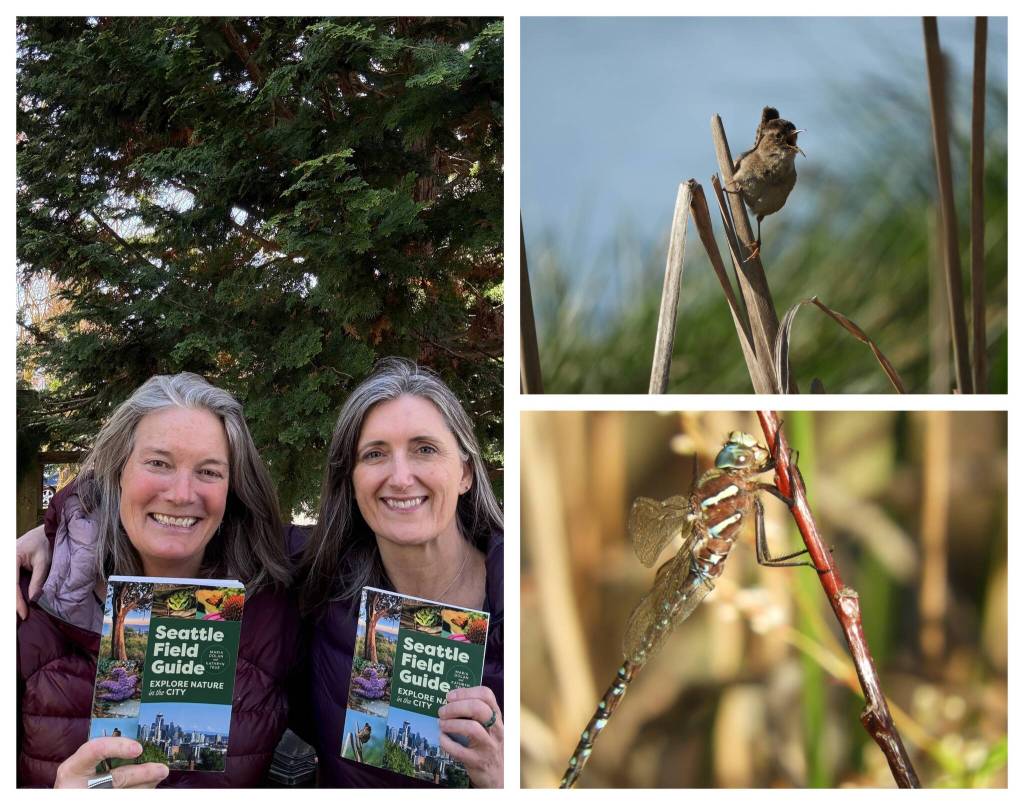
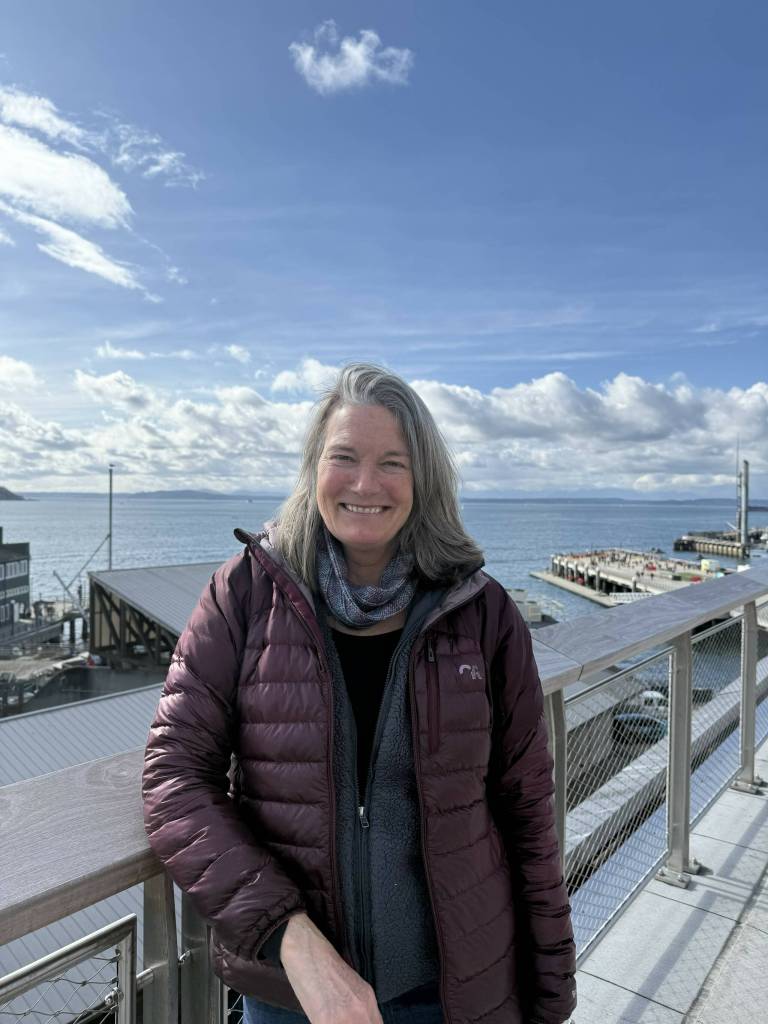
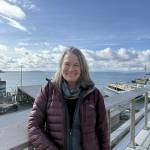
Kathryn True has been learning and writing about nature her entire professional life. Little wonder, then, that this Vashon resident relished what she saw while exploring Seattle’s natural habitats for a newly published field guide.
A marsh wren heralding spring at the Union Bay Natural Area. Native fawn lilies poking out of the earth in a pocket park in the Central District. A white-and-orange-tipped nudibranch — sometimes called a candy corn nudibranch because of its coloration — clinging to the bottom of a dock in Magnolia.
This is the Seattle that awaits those who get out of their cars, turn off their phones and walk quietly through the city’s parks and natural areas. True’s book, written with her longtime friend and co-author Maria Dolan, shows us how to find our way into this fascinating and beautiful world.
“Seattle Field Guide: Explore Nature in the City” was released this spring by Mountaineers Books. It’s a rich compendium — a blend of practical information, Seattle history and science-based ecology — written by two women with considerable knowledge of the natural world.
True and Dolan will speak about their Seattle discoveries at 7 p.m. Wednesday, May 6, at the Land Trust Building. Their talk is sponsored by the Vashon Bird Alliance.
True, 62, who has lived on Vashon for 26 years, and Dolan, a Seattle resident, wrote a similar book in 2003 called “Nature in the City: Seattle.” But this new one is different, True says.
“So many things have changed since we wrote our first book,” True said. “This is not a second edition. It’s a whole new book.”
Some of what has changed are practical things — new trails, different access points, additional outings. But she and Dolan also found a healthier natural landscape, aided by the many “friends of” groups that have embraced their neighborhood parks and natural areas.
Parks that previously seemed neglected are cleaner. Invasive English ivy, a near-constant threat in our region’s natural areas, has been removed in places. More native plants dot the understory.
“We have a lot of beautiful wild places,” she said. “It’s very remarkable to me to see that we have that.”
Ninety-nine percent of Seattle’s residents live within a 10-minute walk of a park or green space, True said, and it shows.
“The love and care they put into these places make them stand out,” she said.
What also has changed, True said, is her depth and understanding as a naturalist.
In her years on Vashon, she has been deeply involved with the Vashon Nature Center and the Vashon Bird Alliance, led the fourth-grade birding program at Chautauqua Elementary School for many years and wrote a series called Natural Wanders for The Seattle Times. Along the way, she said, she has worked side by side with some of Vashon’s best naturalists.
“I’ve learned so much from them, and I was able to pour a lot of that learning into this book.”
Interspersed with descriptions of 38 places to visit in Seattle are sidebars that tell another part of the story — she and Dolan write about urban raptors, the Pacific Flyway, the dawn chorus, plankton, bats, tree frogs, coyotes, our area’s three native conifers — Douglas fir, western red cedar and western hemlock — marine life and more.
The book also includes an index of common and scientific names, a way to provide a solid reference to readers who are scientifically minded, True said.
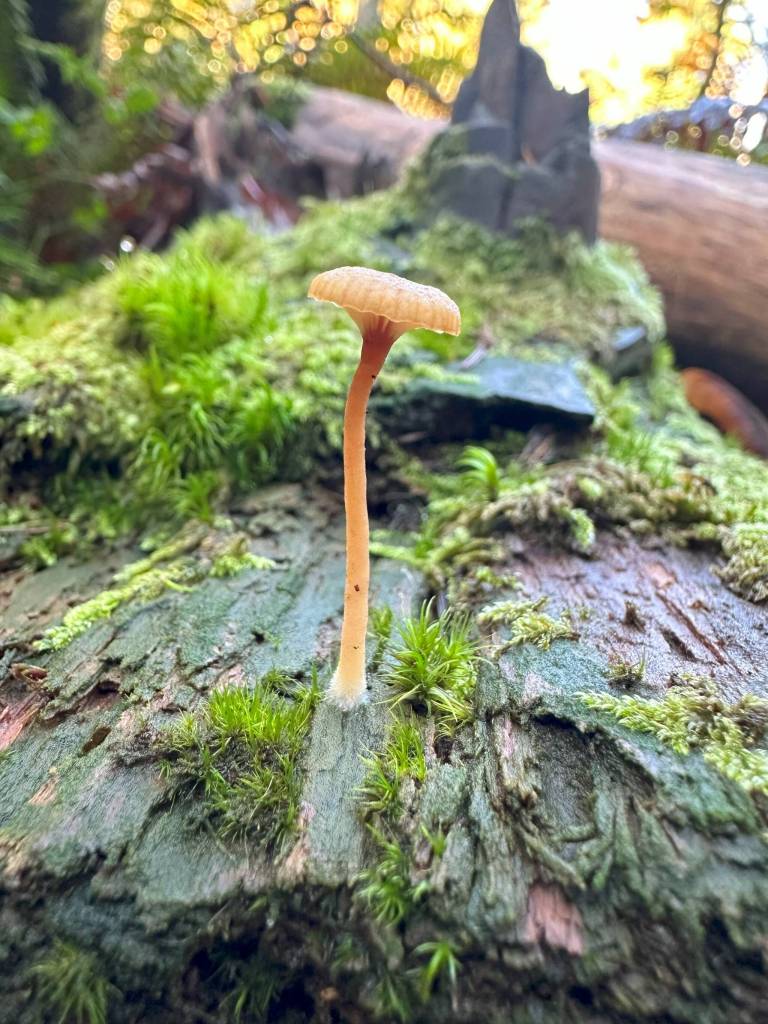
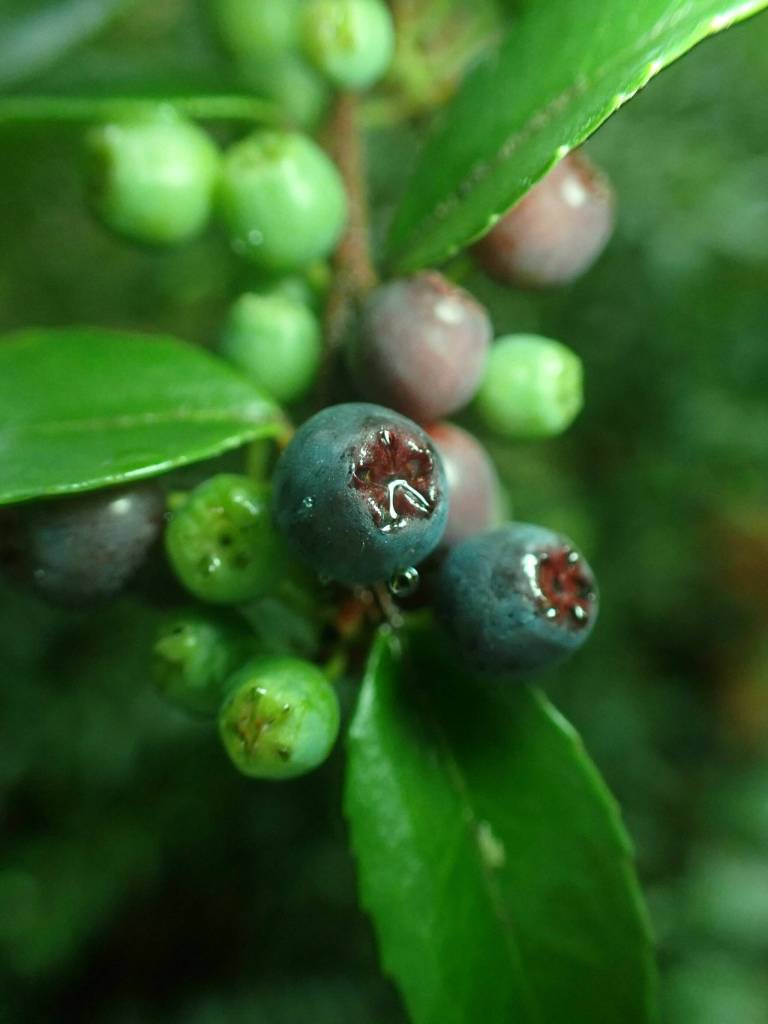
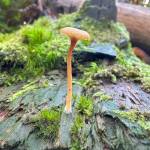
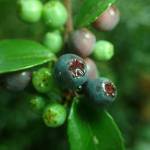
Some 200 color photographs, many taken by True, bring life to the book. Photographs by Jim Diers, a well-known Vashon photographer, also add to the book.
Asked to note some of her favorite places in Seattle, True quickly mentioned the West Duwamish Greenbelt, a 500-acre swath of forestland that runs along the ridgeline in West Seattle and is considered the city’s largest contiguous forest.
Everyone who lives on Vashon has no doubt seen it from afar, she said.
“It’s that forest you see when you’re driving over the West Seattle Bridge.”
For True, it was a delight to explore. Miles of trails wend through the woods, connecting well-known places — such as South Seattle College and Pathfinder Elementary School — to the Duwamish Tribe’s longhouse along the Duwamish River.
“You can really feel like you’re on an adventure there,” she said.
But she also enjoyed those places that speak to our human history, she said, such as the five-acre Kubota Garden in South Seattle, created by Fujitaro Kubota, a Japanese American landscaper who was imprisoned with the rest of his family during World War II’s mass incarceration of people of Japanese descent. Today, it’s owned by the city and is a Seattle historical landmark.
“It’s a beautiful story about perseverance and the legacy of a person who came from Japan and knew how to make a Japanese garden,” she said.
Ultimately, True said, she wants the field guide to help people recognize that we share our neighborhoods, wherever they may be, with other living things — from birds and amphibians to mammals and towering conifers.
“We’re all a part of the ecosystem,” she said.
Some of the animals and plant life in Seattle are thriving in less-than-perfect environments, persisting in the face of all kinds of insults. True said she finds hope in that.
“When I hear the warblers in the West Duwamish Greenbelt, it’s hopeful and inspiring to me,” she said, “and a reminder that we need to take action to ensure these animals can thrive and continue to live here for years to come.”
Leslie Brown is a former editor of The Beachcomber.