Thunderbird nears July opening
Published 1:30 am Wednesday, May 13, 2026
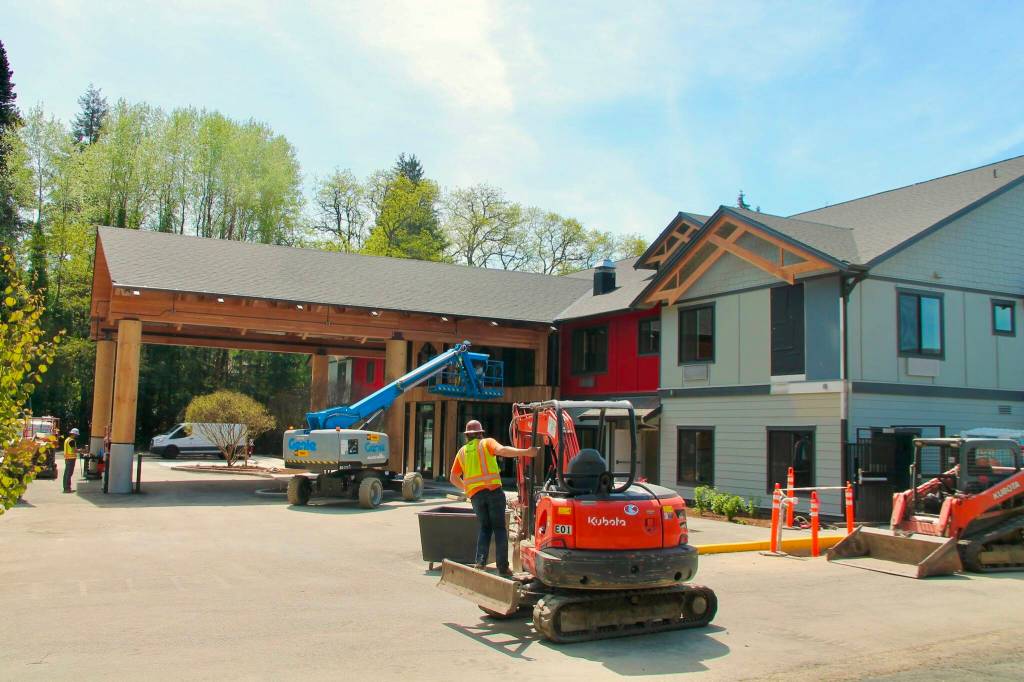
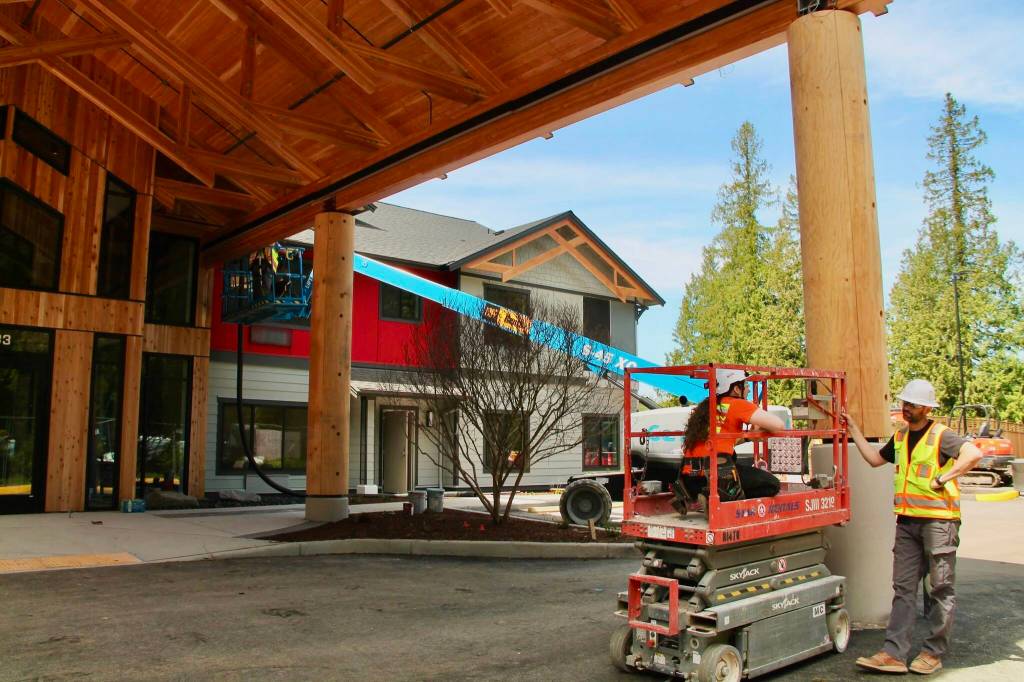



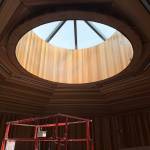
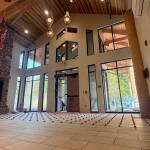
As construction nears completion at the new Thunderbird Treatment Center on Vashon, the 92-bed facility is expected to open its doors in just under two months.
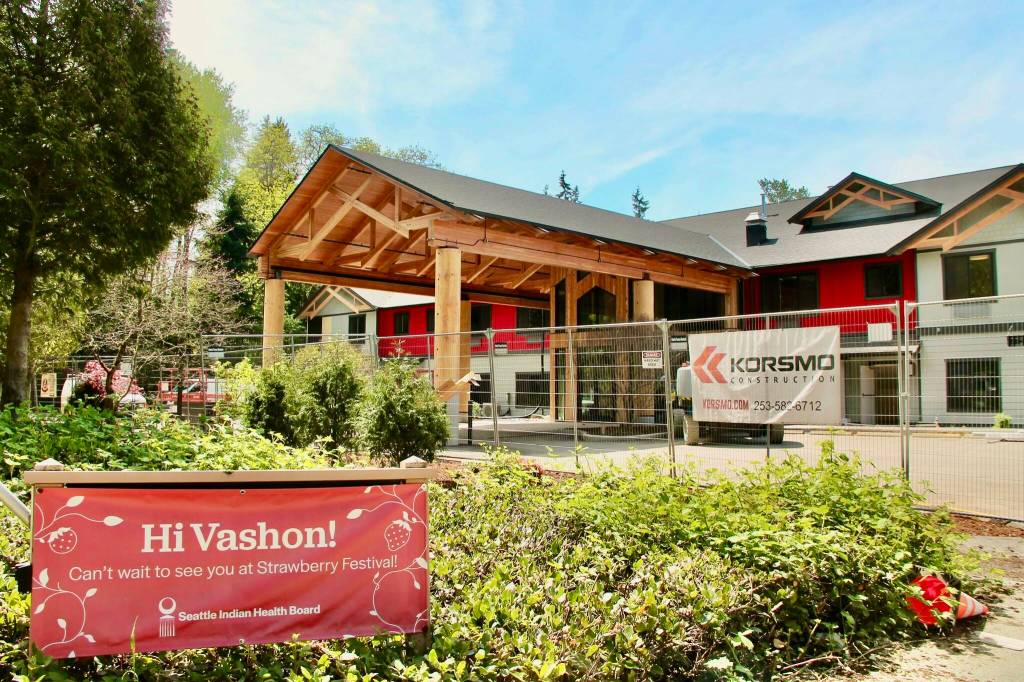
Driving along Vashon Highway, islanders can catch a peek of the site, located at 15333 Vashon Highway SW, with a vast wooden awning extending towards the road, above paved ground encircling the facility’s grand entrance. Out front, signs tell the community they’ll see them soon at Vashon’s annual Strawberry Festival.
Once open, the Thunderbird Treatment Center will significantly boost inpatient bed availability in King County, according to The Seattle Indian Health Board, which owns the facility. And by centering traditional Indigenous medicine, it’ll serve as a rare haven for culture-based approaches to addiction treatment.
While the facility is tailored towards Indigenous communities — who will receive priority admission — it is open to the greater community, including Vashon residents.
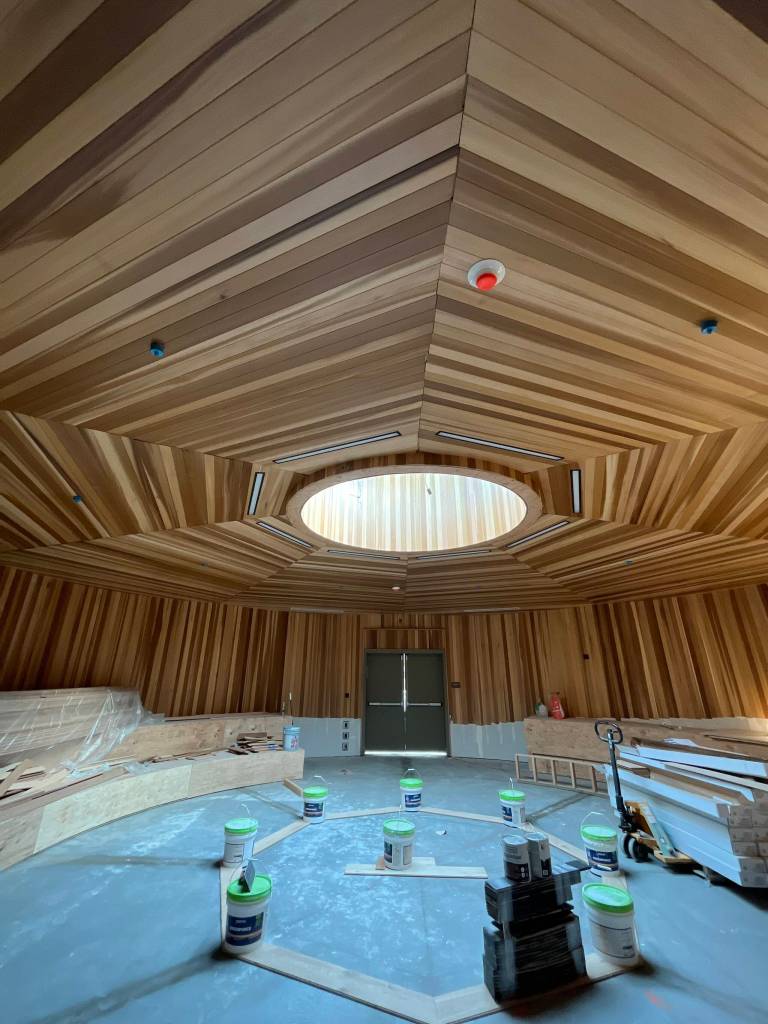
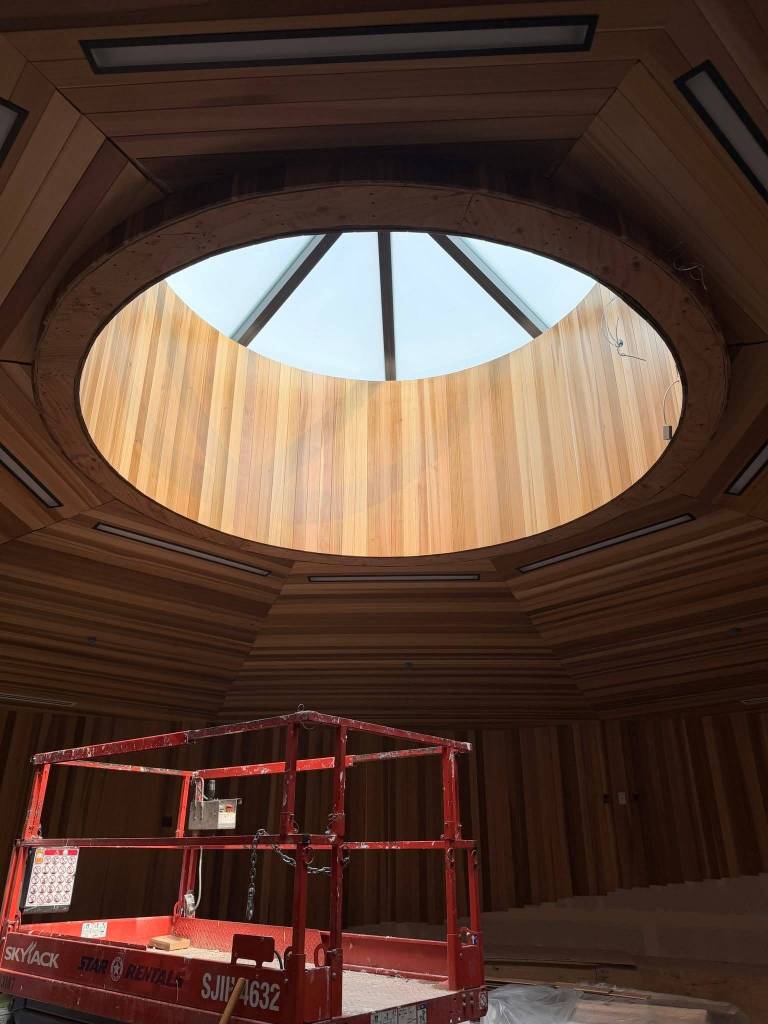
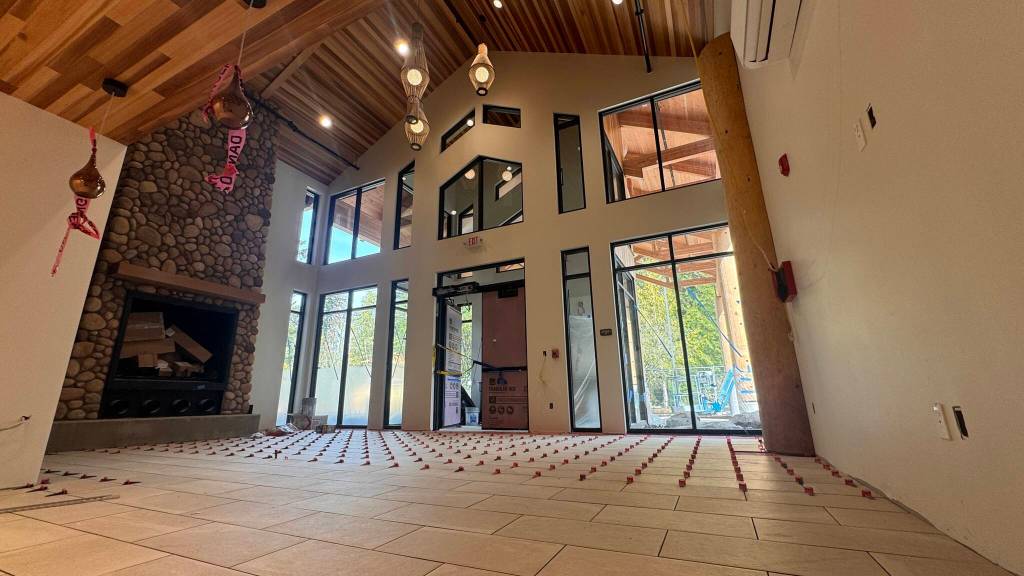
Walking in, visitors will be met with walls of Coast Salish art and wood accents. Inside, those in treatment will be able to use sweat lodges and participate in programming like group therapy and drum circles in a circular ceremonial space.
Outside, practitioners will lead plant medicine teachings, drawing on the natural setting of nearby Shinglemill Creek Preserve and the surrounding island.
These features are a part of a model known as Indigenous Knowledge Informed Systems of Care — or IndigiKnow — which weaves Indigenous cultural practices and traditional medicine in a holistic approach to care.
“The reason Vashon was so appealing is because it’s such a healing place; it offers removal from some of those triggers that move people towards addiction,” SIHB President and CEO Esther Lucero (Diné) said. “Being able to reconnect to the land, to traditional plants and medicines, and those types of things are really key to what we do.”
The multi-faceted approach means treating addiction not only as an individual struggle, but as something deeply tied to the generational trauma of colonialism, Lucero said.
“Strengthening someone’s cultural identity is really the key to hope — to overcoming trauma,” Lucero said. “I believe that our people deserve that.”
The program works in combination with clinical care, and in addition to traditional Indigenous medicine experts, those in treatment will also have access to psychiatry, medication-assisted treatment, primary care, pharmacy and dental services, according to Thunderbird’s website.
Thunderbird’s opening comes as the state contends with an ongoing opioid crisis — largely driven by highly-potent synthetic opioids like fentanyl. Synthetic opioid overdose deaths have been climbing in the past several years, peaking in 2023 when the Washington State Department of Health reported that more than 2,500 people in the state died of a synthetic opioid overdose.
It’s a crisis that’s reverberated onto the island. Across the county, it isn’t hard to find someone who’s been impacted by addiction in some way, said Kathryn True, an advisory board member of Friends of Thunderbird — a community group working to share information about the center and strengthen relationships with islanders.
For Indigenous communities, that crisis has been especially acute. Rates of synthetic opioid overdoses have been consistently highest for American Indian and Alaska Natives in the state, according to data from the Department of Health. Between 2018 and 2024, more than 400 American Indians and Alaska Natives died of a synthetic opioid overdose, the same data showed.
The Vashon facility’s July 11 opening marks the continuation of one of SIHB’s tools in combating that disparity. The same program previously operated out of South Seattle for more than 30 years, and saw huge success with the lowest recidivism rate in the state, Lucero said.
But the sale of the aging facility in 2020 paused that program, and since then, SIHB has been working to find a new home. In total, SIHB said they’ve invested $36 million in the project after purchasing the Vashon property for $11 million — which previously hosted Vashon Community Care — in 2023.
On Vashon, they found the lush trails through nature preserves, salty shorelines and island air that fit into a larger vision of traditional, holistic healing.
For members of Friends of Thunderbird, Indigenous-led programs on Vashon are a part of a greater conversation of repair.
Before the arrival of white settlers, Indigenous people — many of whom were ancestors of today’s Puyallup Tribe members — inhabited and stewarded Vashon-Maury Island for thousands of years. SIHB asked for permission from surrounding tribes before pursuing the property on Vashon, and is hoping to work with them on programming, Lucero said.
“We are on Native land, and we have this history of great harm to Native Americans,” True said. “The idea of being part of the solution is a real asset to the island.”
Board members say Friends of Thunderbird was founded in response to misinformation about the center swirling across the island — including that the center would pose safety concerns to islanders, among other worries.
Classified as both an intensive and a low-intensity residential treatment facility (ASAM levels 3.1 and 3.5), clients will have to complete a detox program and mental health evaluation before they come to the facility, SIHB leaders say
And because Thunderbird will designate 15 beds for pregnant and parenting people, the facility will not be open to those with sex offenses deemed as moderate or high-risk for re-offense, as well as felony offenses for violent crimes.
Friends of Thunderbird — which has nearly 300 community members signed up as “friends” — tabled at last year’s Strawberry Festival and has worked to answer ongoing questions.
“We’re in this mode of being ready for anything, being ready for the doors opening and continuing to watch for misinformation,” Friends of Thunderbird advisory board member Shelley Means (Ojibwe and Lakota) said.
At a two-day recruitment event in April at Vashon Center for the Arts, Lucero said the communities’ excitement and support was palpable. The event saw over 100 attendees eager to get involved with the center both as volunteers and employees, Lucero said.
While SIHB has not yet completed staffing and is currently recruiting for a wide range of positions — from behavioral health providers and nurses to janitors and security — Thunderbird is expected to become one of the largest employers on the island, Lucero said.
SIHB officials say the center will host public tours of the center in the coming months, with room for 100 guests for each of the five tours available. More information on how to register to tour the center will be available soon on SIHB’s website and social media.
Ramping up towards an opening date of July 11 — when local Indigenous leaders and legislators will gather for a ceremony — Lucero says Thunderbird is working to finish construction, move in furniture, paint walls and place artwork.
“As the leader of a project of this magnitude, to see it come to fruition — it’s beyond my wildest dreams, it brings me to tears,” Lucero said.