VashonBePrepared: Tsunamis and wildfires — prepare and survive the elements
Published 1:30 am Tuesday, August 5, 2025

That Russian mega-quake on July 30th startled everyone. It was so far away, yet we had tsunami warnings right here on the West Coast. Fortunately, there was no damage in Washington state.
It might have made you wonder: What’s the tsunami risk here on Vashon? How can you prepare for it? How can you survive it? The tsunami page on our website provides answers to those questions: VashonBePrepared.org/hazard/tsunamis.
You’ll learn about the three main earthquake faults that could generate a tsunami in Puget Sound and how quickly the waves could arrive. There’s a checklist on how to be prepared for a tsunami event, and instructions for practicing what to do if a big wave is on the way.
Wildfire smoke arrives
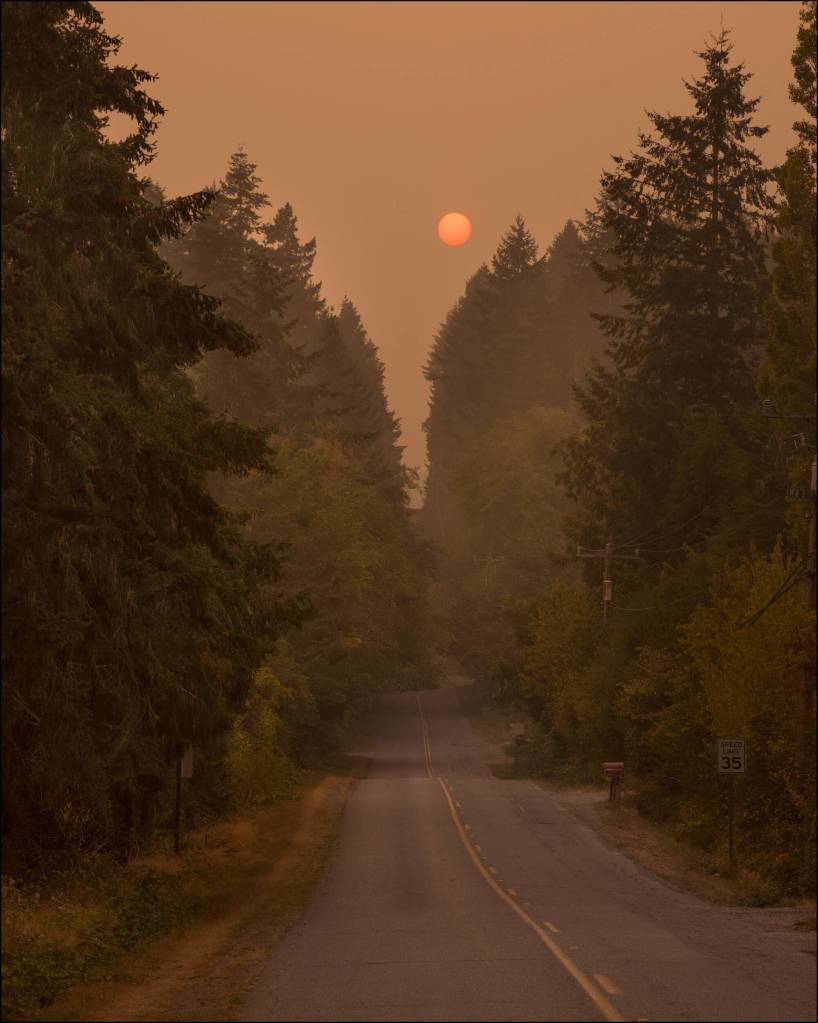
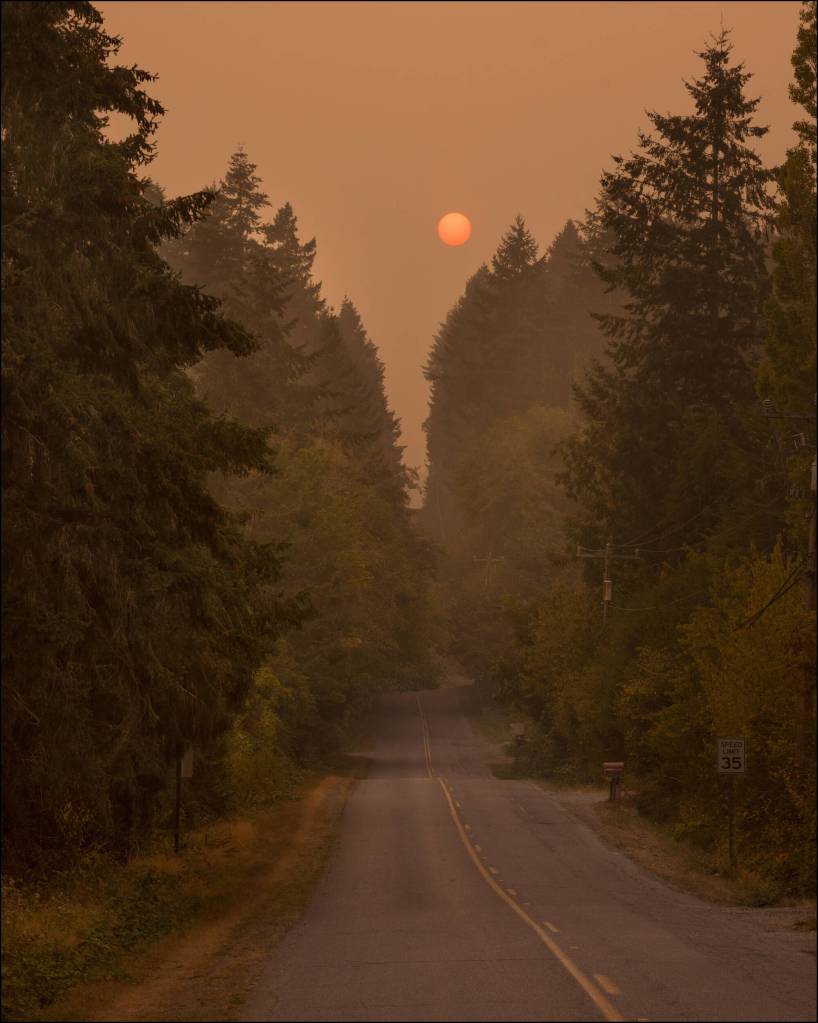
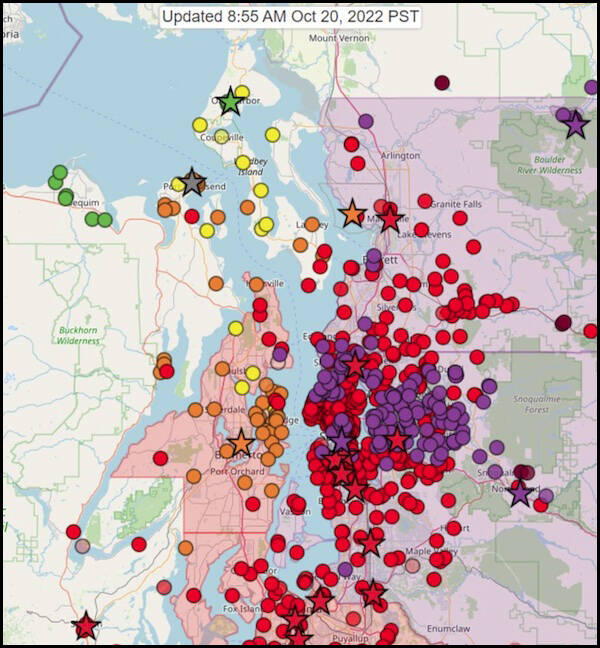
In the last few weeks, a familiar haze has wafted into our area. It’s smoke from fortunately distant wildfires. In the last decade, the haze has arrived more frequently. With it comes poor air quality with potential health effects.
• You probably already own a mask. Stock up now if you are running low on those high-quality masks you bought for COVID protection. Well-fitting N95 or KN95 masks provide some of the best protection against fine smoke particles.
• Check the filters on your air purifier. You may have a HEPA air purifier from the COVID days. Get it ready before smoke arrives, and consider replacing the filters proactively.
• Make your own smoke filter. If a store-bought air purifier isn’t in your budget, tape a high-quality furnace air filter (MERV 13 or better) to a box fan. You can get step-by-step directions at tinyurl.com/CraftBoxFan, or check out this one-minute how-to video: tinyurl.com/MakeFilter.
• Consider household member risk. Some people are more likely to experience negative health effects from smoke, and they should take extra care. That includes people who have asthma, COPD, heart disease, diabetes, and respiratory infections (such as COVID). Pregnant women, infants, young children, and seniors are also more sensitive to wildfire smoke. People who work or live outdoors are more exposed when the smoke blows in.
• Check your stock of medications. If you are one of the at-risk people listed, you want to ensure you have a good stock of inhalers and other medical supplies in case it gets smoky and local store availability runs low.
• Avoid outdoor exercise and move indoors when it’s smoky out. If you’re at higher risk from smoke, move indoors if the Air Quality Index (AQI) is 100 or higher. This includes people who are under age 18, over age 65, have heart or lung conditions like asthma, and who are pregnant. When the AQI is 150 or higher, everyone should move indoors. If you must be outside, an N95 mask like the ones you use to protect against COVID can also help to protect against smoke.
• Watch for symptoms of smoke exposure. Move someone inside if they have a headache, sore throat or nose, cough, burning eyes, dizziness, or wheezing. Keep inhalers and medications ready. Call 911 if someone has severe symptoms from breathing smoke, like trouble breathing or chest pain.
• Create a clean room in your house with an air purifier. For severe smoke events, or for someone who is having trouble with the smoke, you can set up a clean room. Close your designated clean room’s windows and doors and run an air purifier inside. You may need to run air conditioning or a fan to stay cool in the closed-up room, but turn off the outside air intake because it’s smoky outside.
• Monitor the Air Quality Index, or AQI. Check current conditions and forecasts. There are several sources for this, including AirNow.gov. You can also consult the air quality section of your favorite weather app.