Kelp farmer says structural failure led to 100 pounds of equipment sinking
Published 1:30 am Wednesday, August 20, 2025
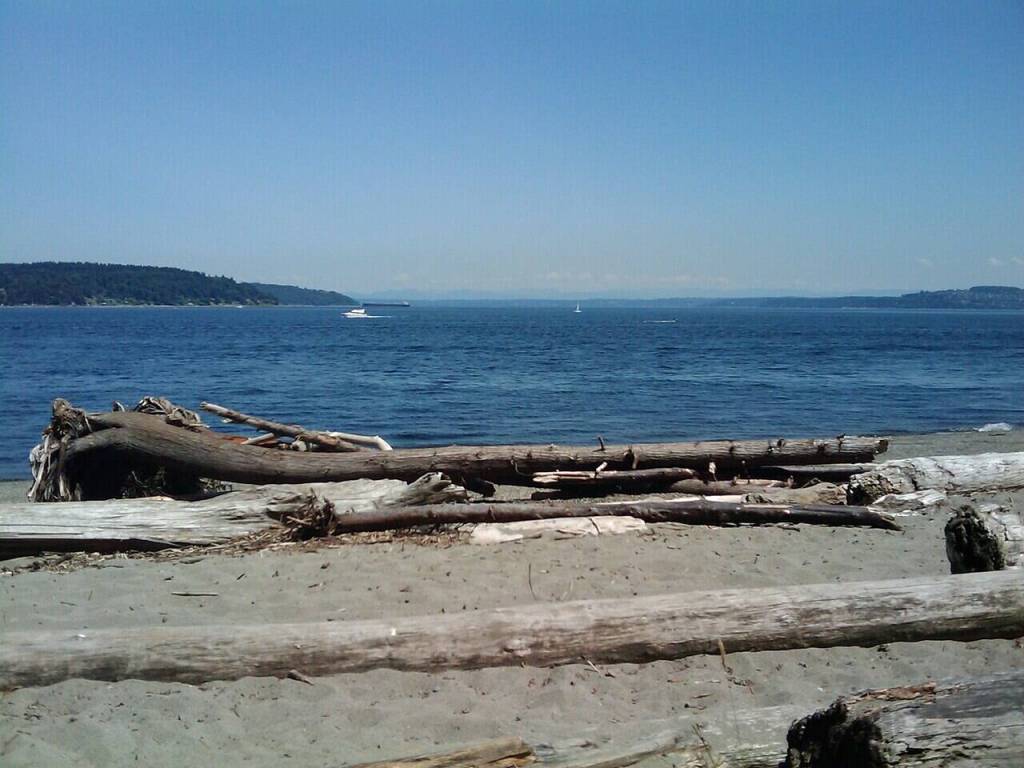
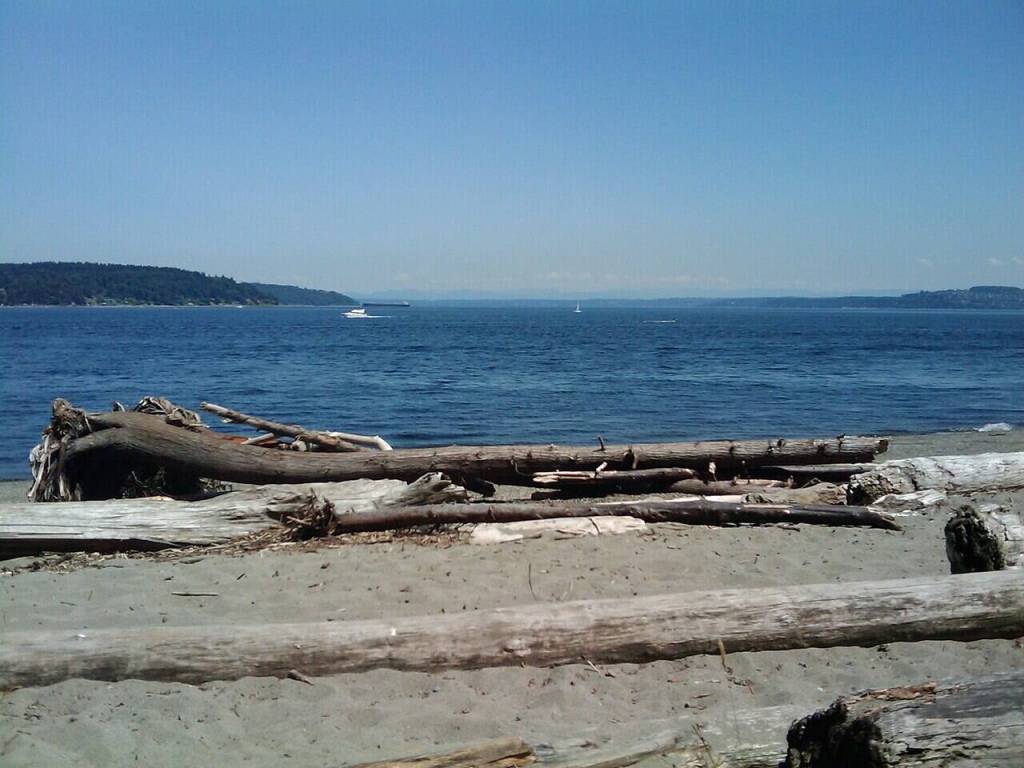
A “structural failure” on March 28 or 29 caused Pacific Sea Farms’ kelp-laden array — including about 100 pounds of aluminum bars and marine hardware — to drift away from the farm and sink to an irretrievable depth of 500 feet, according to an email detailing the incident.
In a message to the Department of Natural Resources five days after the incident, Mike Spranger, co-owner of Pacific Sea Farms, said he found his grow lines and the aluminum spreaders that held them in place adrift in “Dalco Passage/Commencement Bay” but the equipment “could not be retrieved due to their weight, space available on the vessel and safety considerations.”
He added: “Those lines were cut, and they immediately sank in approximately 500+’ of water … The spreader bars and accompanying hardware weighs approximately 100# so it is expected that the gear will permanently remain on the substrate.”
Spranger’s statements — the first substantive comments about what happened after he learned his array holding 3,000 feet of kelp-growing lines had come loose from its anchors and floated away — were included in a letter from the state to Pacific Sea Farms alerting the company that it was in default of its aquatic lease. The Beachcomber obtained a copy of DNR’s letter last week.
Spranger co-owns the Vashon-based farm with Gretchen Aro. Neither responded to a request for comment and thus could not confirm the specifics of what happened.
No farming is currently taking place at the 10-acre site 300 feet off of Vashon just west of Tahlequah. The state, in its letter to Spranger, said Pacific Sea Farms could not restart its kelp-growing operation until it recovered all of its lost equipment and submitted newly engineered plans showing that its kelp lines can “withstand all currents and weather and other factors.”
“It is important to find and remove the array because derelict aquaculture gear left on state-owned aquatic lands has the potential to damage habitat, cause entanglement, contribute to pollution and cause other negative impacts to the environment,” according to the April 4 letter, signed by Brady Scott, assistant division manager of DNR’s Aquatic Resources Division.
In an email, Joe Smillie, a spokesperson for DNR, said the state was standing by that requirement, despite Spranger’s statement that the 100 pounds of hardware could not be retrieved. “Pacific Sea Farms are required to recover all the missing gear to cure the default regardless of the weight,” Smillie said in the email.
Scott’s letter cites six specific lease provisions that Pacific Sea Farms violated as a result of the March incident.
Among them was the farm’s failure “to keep and maintain (its equipment) in good order and repair and in safe condition.” The state also cited Spranger’s “failure to timely notify DNR” of the equipment failure.
Spranger learned that his kelp-growing lines had broken free and floated into the waters between Dalco Passage and Commencement Bay at 1 p.m. on March 29 but did not inform the state until April 2, according to Scott’s letter to Spranger. The lease requires that the owners “immediately notify DNR of any damage or destruction” to the farm’s property, Scott says in his letter. In an email, Smillie said, “Immediately means as soon as possible after the Tenant discovered damage or destruction occurred.”
Pacific Sea Farms is the first King County-based kelp farm to secure an aquatic lease and a county permit to begin growing and harvesting seaweed, an increasingly popular algae used for food and a number of products. Spranger and Aro began growing kelp sometime last winter, shortly after it received its four-year lease on Sept. 3, 2024, one of the last hurdles in a lengthy regulatory and legal process. In May, a legal challenge ended when the state Court of Appeals (Division 1) upheld a Shoreline Hearings Board’s decision that King County, in awarding a permit to Pacific Sea Farms, followed all required state and county laws.
The state’s April 4 letter to Pacific Sea Farms, as well as Spranger’s email to the state, help to tell at least part of the story of what happened.
The kelp was growing on the first of three arrays Pacific Sea Farms was permitted to place in its 10-acre leasehold. The array consisted of five 650-foot lines of polysteel rope — a synthetic marine rope made of polypropylene and polyethylene fibers — floating near the water’s surface and held in place by five aluminum spreader bars attached to buoys. The spreader bars on either end of the array were held in place by anchors on the seafloor.
Spranger said he was notified “that the equipment was adrift” at approximately 1 p.m. on March 29 and by 4 p.m. that day found the gear and attempted to remove it from the water. Spranger — in a telephone conversation after the equipment failure — told state officials that he believed the hooks connecting the spreader bar to the lines failed.
According to the state, the only equipment remaining at the site are anchors, anchor line and anchor buoys. (A second kelp-growing array was under construction when the incident happened; the state ordered the two business partners to pull it out of the water.)
Why the equipment failed, however, is not clear. Spranger, in his email to the state, said he plans to work with the farm’s engineer and gear manufacturer “to completely understand how and why the equipment failed.”
The state has initiated its own investigation into what happened, according to Scott’s letter. In an interview on Aug. 8, Scott — when pressed on what caused the array to float off — said, “The spreader bar failed. … The metal bent and broke. … I don’t know what caused the metal to bend and break.”
DNR does not plan to issue a written report of what happened, according to Smillie. The state, however, “reserves the right to impose additional remedies and cures based on new information and further investigation and evaluation of the incident,” Scott said in his letter to Spranger.
DNR sent a copy of the default notice to King County’s permitting division, which issued the substantial development permit allowing Spranger to operate his farm. Brent Champaco, a spokesperson for the King County Department of Local Services, said DNR, as “steward of the lease for state-owned aquatic lands … is likely the agency with the most authority to take any action were action to be taken in this situation.”
The permit King County issued is not one “on which the county could take action” — since it did not entail construction or other activity. Champaco added: “At this time, the Department of Local Services’ Permitting Division is monitoring the situation and working with its agency partners to determine any required next steps, but there is no direct action our department is taking in this situation.”
Washington Maritime Blue, an organization committed to the development of maritime business and that is administering an 18-month grant to promote kelp-farming in the region, declined comment. Pacific Sea Farms is listed as a partner on its website. “We are unable to comment on this particular situation,” Devon Emily Thorsell, Maritime Blue’s chief operating officer, said in an email.
Sound Action, which raised questions from the beginning about Pacific Sea Farms’ farming practices and sued King County over its decision to award the company a development permit, issued a statement Monday evening saying it is frustrated by what it called a lack of answers from regulatory agencies.
The gear was cast adrift, Amy Carey, Sound Action’s executive director, said, “into an ecologically sensitive area, including bull kelp beds and one of Puget Sound’s highest whale-use zones, creating serious entanglement risks.”
Outlining the events since the March 29 incident, she added: “Now, four months later — and a week after this issue became public — King County, DNR and the Army Corps (of Engineers) have refused to answer even our most basic questions: What happened, how this happened, why it happened or what the consequences were.”
Meanwhile, Smillie said, only one application for an aquatic lease is currently pending before the state — this one, too, for a 10-acre site just off the shores of Vashon. Mike Kollins, owner of Vashon Kelp Forest near Fern Cove, has received a King County permit to develop a kelp farm and also won a challenge before the Shoreline Hearings Board.
In an email, Smillie said Kollins has submitted all the information the state has sought for his aquatic lease, but as a result of Pacific Sea Farms’ equipment failure, DNR has not yet decided when it will issue a lease.
“We are evaluating this incident to determine if additional requirements are necessary before issuing new leases for kelp aquaculture,” Smillie said.
Leslie Brown is a former editor of The Beachcomber.