Lawmakers outline priorities ahead of upcoming session
Published 10:30 am Tuesday, January 6, 2026
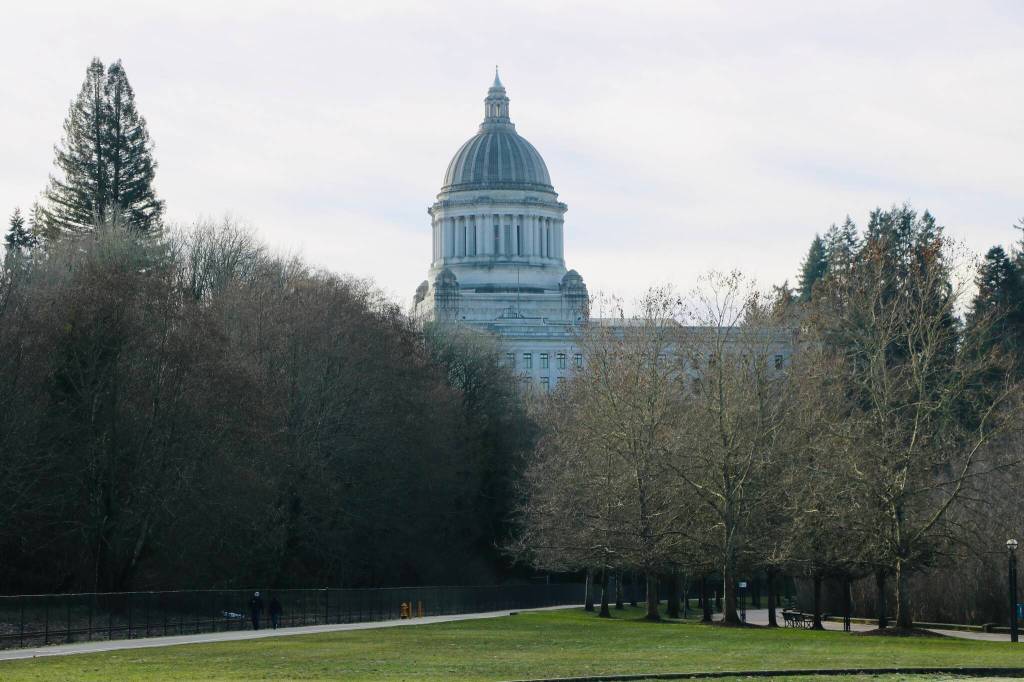

As the new year begins, so does Washington’s legislative session, where lawmakers convene every year in Olympia to make policy decisions impacting residents from Vancouver to Vashon.
During a particularly politically fraught moment nationwide marked by heightened political tensions following President Donald Trump’s inauguration, federal funding cuts and contentious government actions like expanded immigration enforcement, alongside budgetary concerns in Washington state, the legislators representing Vashon’s district say there’s much to do during the upcoming short 60-day session.
And while all of Washington is impacted by decisions made in Olympia, unincorporated communities like Vashon have a distinctiveconnection to the state government
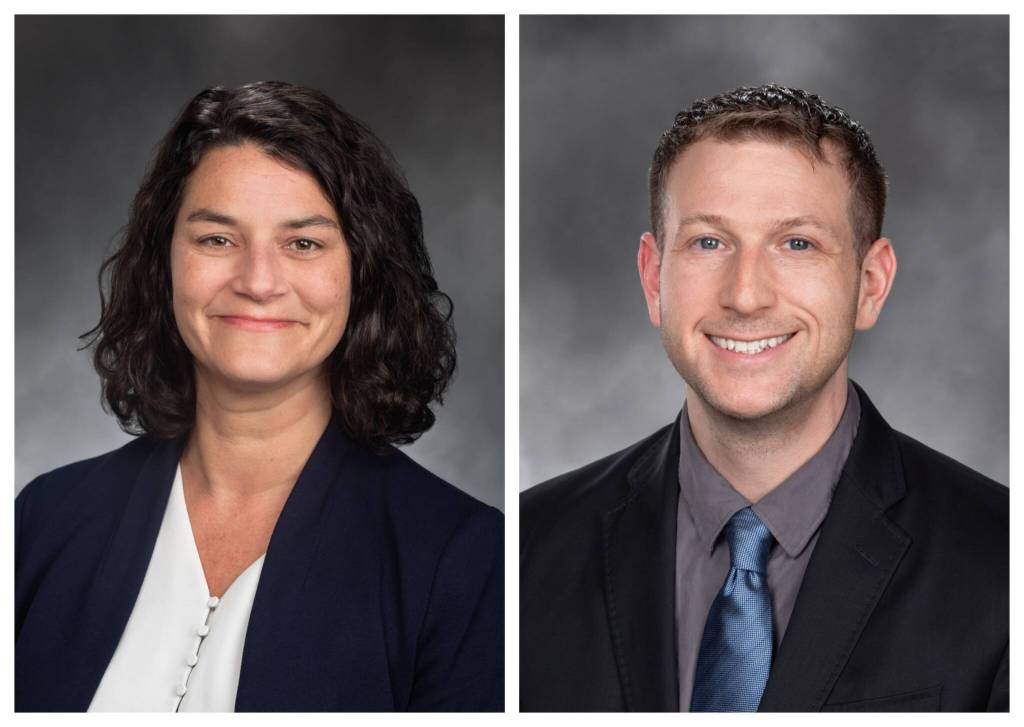
“Vashon, because it doesn’t have a city government, the state government is even closer to the people, and that’s why I think it’s really important to listen to folks on Vashon and see how the state government and state policies can help the community,” Senator Emily Alvarado (D-West Seattle) said.
As has been the case for the past several years, lawmakers say addressing rising unaffordability and investing in things like housing, childcare, and food security in Washington will remain a priority this session.
Washington is consistently ranked as one of the least affordable states for housing. But on Vashon Island, the challenges associated with building housing in rural areas, alongside competition with vacation rentals like Airbnbs has created unique challenges.
Vashon Household, a non-profit dedicated to promoting affordable housing on the island, reports that although a third of islanders report paying over a third (tinyurl.com/2rxv64c7) of their income on housing, Vashon’s housing supply is largely inaccessible to low and middle-income earners.
Many say they can’t afford to buy a home on the island, but rentals on the island are scarce and more expensive than Washington’s average rental prices.
VHH provides housing through 166 rental and home ownership units, serving about 400 residents, but demand far outpaces supply, with more than 200 people currently on the waiting list.
Alvarado says a part of the strategy in boosting housing supply in rural communities like Vashon should be to ensure that funds invested through the state’s budget can make their way to nonprofits that need support.
This session, Alvarado says she plans to introduce legislation to make it easier to build housing across the state and finance the construction of affordable housing.
“I believe housing is foundational, and having a stable home that you can afford is the starting point for a stable life,” Alvarado said. “It’s going to take many strategies to build the homes that our community needs and bring prices down. Rent stabilization was one important piece of that, and we’ll keep taking action this session.”
Often described as one of the most liberal places in Washington — with 84% of island voters supporting Kamala Harris in the 2024 election —Vashon is known for being particularly attuned to the civil rights of its community members and engaging with their lawmakers around issues like immigrant rights, prison reform, LGBTQ+ protections, and abortion access.
“Vashon continues to reach out to me around issues of civil rights, immigration and broader issues of social justice,” Alvarado said. “Those issues are certainly top of mind for me, especially this legislative session.”
This year, many lawmakers are introducing bills aimed at protecting immigrant communities in the state during a federal crackdown, with heightened Immigration and Customs Enforcement (ICE) action across the country.
Data collected by the Deportation Project shows that from Inauguration Day to mid-October of 2025, almost 2,000 people were arrested in Washington by ICE (tinyurl.com/2v5mzcp9). That’s compared to around 800 arrests during the same period in 2024.
The Immigration Protection Act (tinyurl.com/4emt7j34), legislation drafted in partnership with Washington Attorney General Nicholas Brown, would require employers to inform their employees when the federal government asks for their employment eligibility information and ensure employers only allow access to workplaces or share personal information when legally required by a warrant or subpoena.
Other legislation introduced by Senator Javier Valdez (D-Seattle) to be considered this session would require ICE agents to be unmasked (tinyurl.com/fcjxx5an), allowing for legal action by those detained by an officer violating the policy.
“If a law officer is stopping or questioning you, you have the right to know who they are. Anonymous policing erodes trust, invites abuse, and threatens the safety of everyone involved,” Valdez said in a Dec. 8 press release.
Lawmakers say one of the biggest items on this year’s agenda is finding a way to address what they call a severe budget crisis.
Washington State’s Office of Financial Management reported in November that the state will see $66 million less (tinyurl.com/3enb7hpa) in revenue through 2029 from what was previously projected.
The passage of HR1, a federal budget bill signed by President Trump (tinyurl.com/57u764xk) in July of 2025, drastically decreased federal contributions to programs like Medicaid and SNAP, putting more pressure on states to fund these programs. And with new tariffs and growing inflation, lawmakers say further cuts will need to be made to the budget that passed last year (tinyurl.com/7n4hnva9).
But in the background of the state’s budget problem is a broader conversation surrounding a state income tax. Washington is one of nine states that don’t tax residents’ earnings, instead relying largely on sales and property taxes.
Lawmakers representing the 34th Legislative District say they’ll be using this session as an opportunity to pass a tax on Washington’s highest income earners, a politically-contentious proposal that has failed to pass in previous sessions.
“The legislature seems ready for that difficult conversation about an income tax, that’s often been treated as a third rail of Washington politics,” Representative Joe Fitzgibbon (D-West Seattle) said. “Can we use this moment to try to do more structural changes to our tax code that put us on a better footing in the future?”
During a December 23rd press conference, Governor Bob Ferguson announced his support (tinyurl.com/5btapphx) for the measure, which would levy higher taxes on annual earners of more than $1 million, marking a departure from the last session when the governor rejected the proposal.
With at least $3 billion more in revenue annually, Fitzgibbon says the tax could help ensure that essential services don’t risk being cut, and that investments can be made in areas he says he hears from residents about the most, like healthcare, education, and housing.
Fitzgibbon says more annual revenue from the tax could help ensure that money isn’t diverted from the State’s transportation budget, which funds things like the state’s ferry system.
“An income tax on high earners wouldn’t be dedicated to transportation, but it would still help transportation, particularly the ferry system,” Fitzgibbon said. “It would just kind of take pressure off every part of the system.”
As the one ferry-dependent community in his district, Fitzgibbon says he hears from residents about the impacts that Washington’s aging ferry fleet has on islanders.
Some of Washington’s ferries are over 60 years old, and when an older boat is out of service for repairs, the triangle route, which islanders rely on for access to Southworth and West Seattle, is particularly impacted.
“We have new boats coming online; it takes longer than I wish it did to build and sea test a new vessel, but we do have vessels in the pipeline,” Fitzgibbon said. “The sooner we get those built, the more stability there will be in the system.”
The proposed income tax is likely to be subject to legal challenges, and the governor’s announcement of his support has already created political tension. Head of Washington’s Republican party, Rep. Jim Walsh (R-Aberdeen), called the proposal patently unconstitutional in a Facebook post, commenting, “If Ferguson signs this nonsense into statute, there will be lawsuits.”
Washington’s legislative session will officially begin Jan. 12.
“The county and the state need to work together to make sure that Vashon gets its needs met, and people are listened to,” Alvarado said. “I will continue to come to Vashon, to meet with people, and my door is always open.”
Scarlet Hansen is a contributing journalist to The Beachcomber.