A barreling plant is reborn as local food hub
Published 10:12 am Wednesday, January 28, 2026
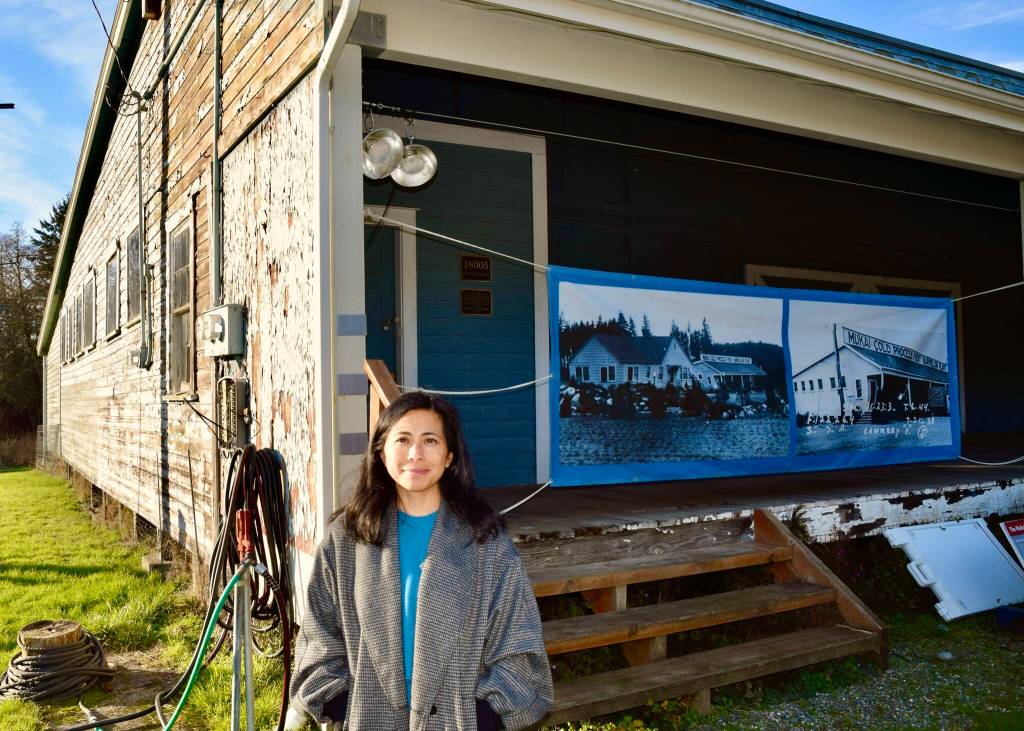
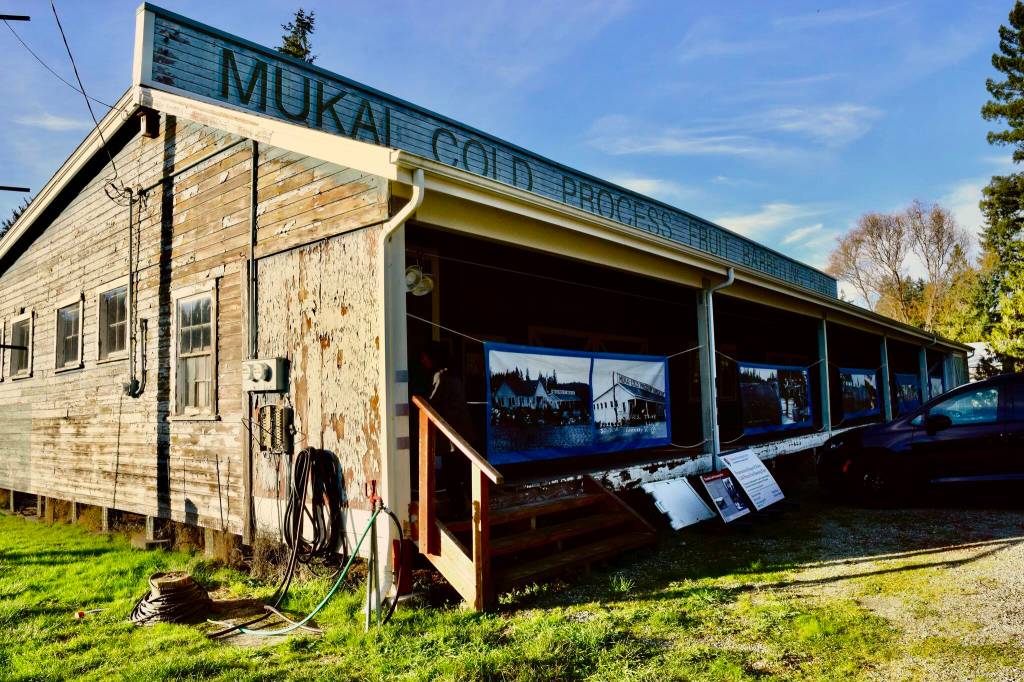
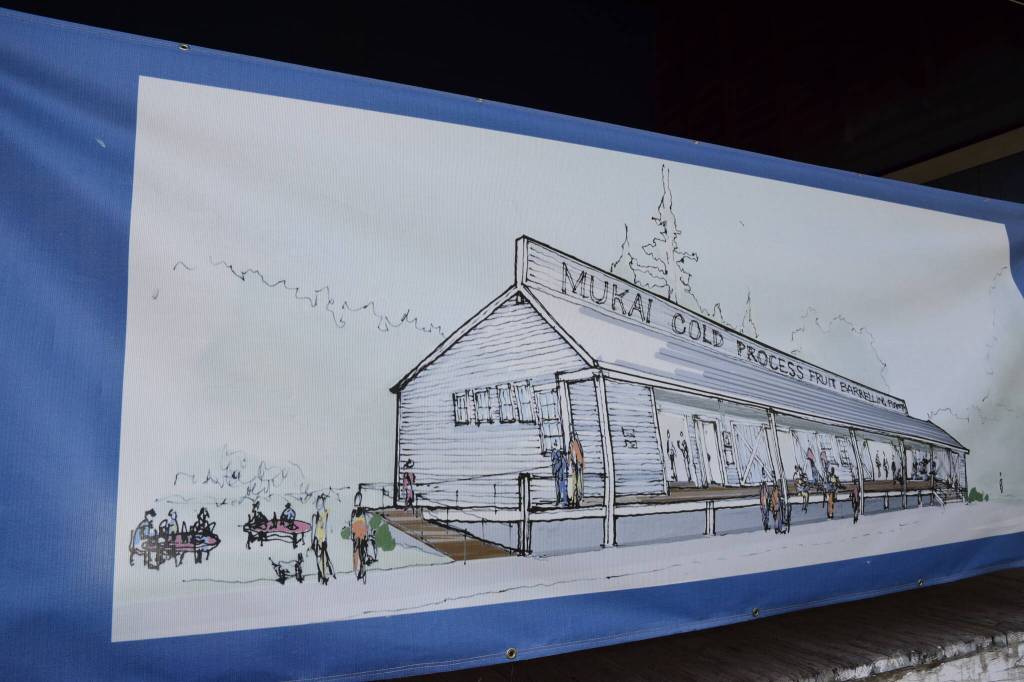


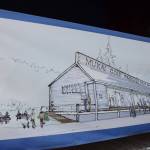
In 1926, the Mukai family purchased 60 acres of land in central Vashon for their already-successful strawberry farming business. It would go on to become a hub for berry farmers, an aggregation point for harvests, the Mukai family’s home and a center of Japanese American culture on the island.
In 2026 — exactly 100 years later — the property’s fruit barreling plant barn will be restored into a hub for innovative Vashon growers that will open this November.
The Mukai Cold Process Fruit Barreling Plant, aging and unoccupied since 2017, will be transformed into a “food hub” where local growers can aggregate, store, process and distribute food products, according to Lynn Greiner, co-founder of Friends of Mukai and chair of the project’s committee. It will also serve as a community gathering and event space.
The Mukai Food Hub is a joint project between nonprofits Friends of Mukai and the Vashon Island Growers Association (VIGA).
This is the last puzzle piece in Friends of Mukai’s eight-year restoration of the property, which included structural improvements to the historic family home in 2018 and a rejuvenation the Japanese garden in 2019.
The food hub is designed to give growers the potential to scale up their businesses beyond the local farmers market and even sell to off-island buyers. The availability of the Mukai Food Hub’s resources will be a boon, since market expansion opportunities are few and far between for Vashon farmers, according to Catherine Johnson, vice president of VIGA.
According to the project committee, the food hub will likely become operational in November 2026 and will accommodate 3 or 4 long-term tenant businesses plus a community kitchen and other shared spaces.
A renovation for the century
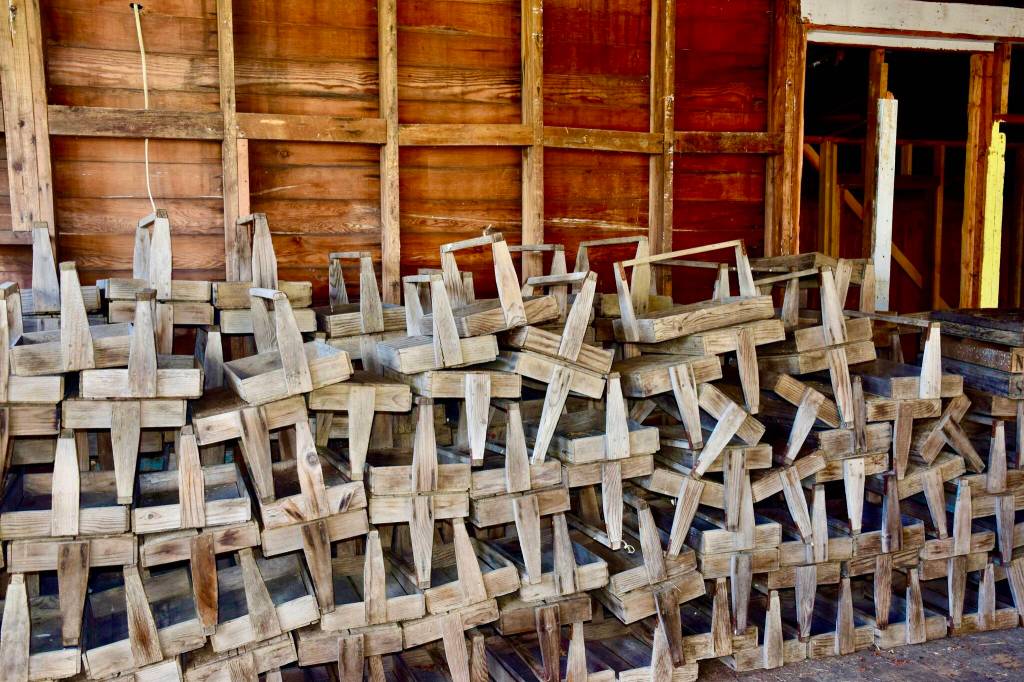
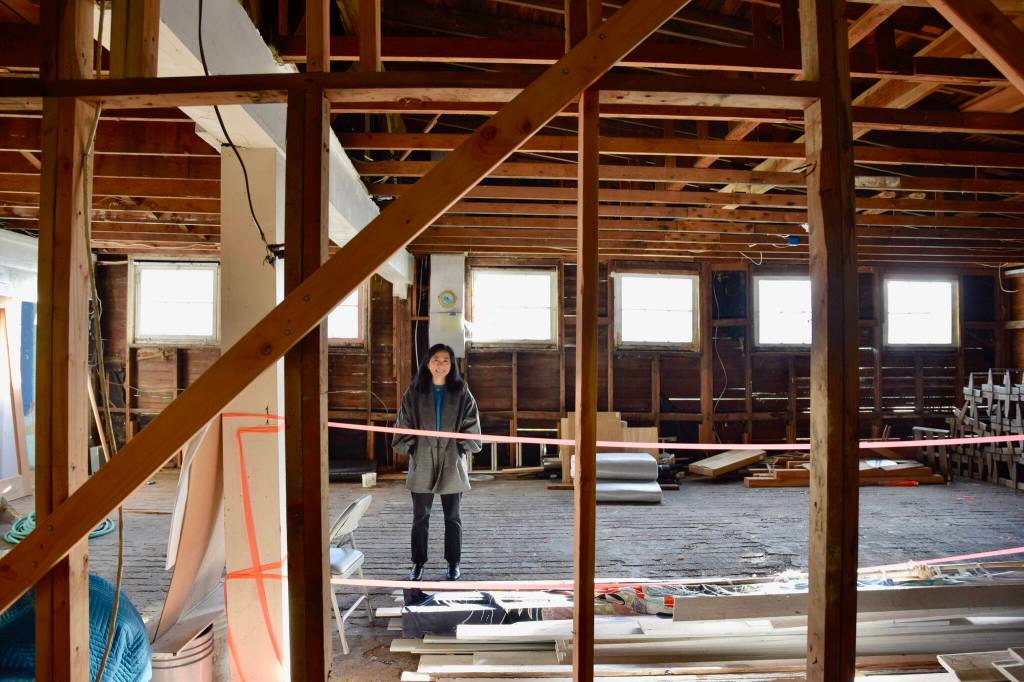
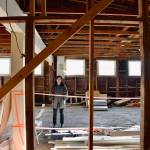
The barn smells earthy and dry and traces of its history are left behind on the vast stone floors. In one corner, hundreds of berry collection flats are piled high — the same kind used by Mukai strawberry pickers a century ago.
Renovations of the 100-year-old, 6,000-square-foot barn will require a near-complete overhaul.
The team said that they plan to replace the floors, the entire western wall and most of the windows. They’ll also be tearing down the mezzanine that sits above the eastern part of the barn for safety and driving 12-foot metal rods into the ground to stabilize one corner.
The food hub will be structured differently from the barn’s current cavernous space. “It won’t be wide open like it is right now,” Jade Agua, executive director of Friends of Mukai, said. “We’re going to have it broken up into different spaces.”
These will include a vestibule, meeting rooms, the VIGA community kitchen and tenant-specific areas, according to Johnson.
It’s a big project with a big budget to match. “The project price tag now is about $3.5 million,” Greiner said. “We have over $2 million, so we basically have 70% of the funding.”
This $2 million they’ve received is from the federal government, the National Park Service, Washington state, King County 4Culture Project Grants and community members. Greiner said the team also has some pending grant requests that they’ll hear about within the next couple of months.
The funds they already have will allow them to begin construction.
“We have enough money to do the structure — what’s called the shell and core,” Greiner said. The finer details, which the team said include cleanable floors and kitchen appliances, will need to come later, when the rest of their funding comes through.
They hope to break ground in April and finish construction by late October, Greiner said.
Preserving history through collaboration
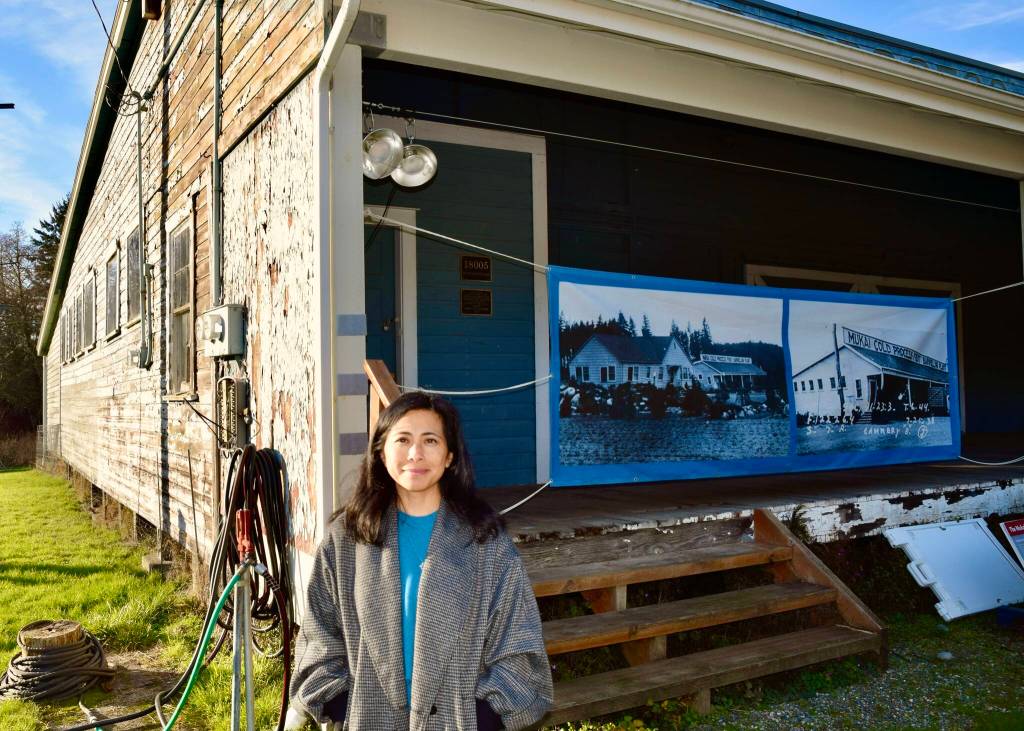
The barreling plant, which is on the Washington State Register of Historic Places and is also a county landmark, was the first building built on the Mukai Farm property by its patriarch B.D. Mukai, Greiner said.
It was also home to Mukai’s proprietary method of strawberry processing, which he called cold process fruit barreling. This innovative process predated modern preservation methods and used special machinery to wash, sort and pack strawberries from farms all over Vashon into wooden barrels with sugar, Agua said.
These barrels would then be shipped all over the country. “Rumor has it that they shipped a lot to Smuckers,” Greiner said.
When designing the hub, the team worked to maintain the balance between preserving the barn’s history and meeting code requirements, which Agua said proved difficult.
Fortunately, they’ve brought in an architect who is familiar with this kind of challenge: Rachael Kitagawa-Hoshide of Hoshide Wanzer Architects.
In addition to a thoughtful design, the team also wants to partner with local businesses dedicated to the food hub’s mission of preserving history, Agua said. Spaces within the hub will be tailored to specific long-term tenants like Fernhorn Bakery and Fuku Ferments.
“I think it’s more than just a space to rent,” Agua said. “I think people are really tied to the mission and purpose of Mukai overall.”
The idea for the food hub combined the vision of Friends of Mukai and the needs of VIGA growers, according to Agua.
Friends of Mukai, a collective nonprofit that has worked to preserve the Mukai Farm & Garden property since 2012, knew they wanted to honor the legacy of the Mukai family, but wasn’t exactly sure how to best support Vashon’s farmers.
As the idea came together, Friends of Mukai and VIGA held joint meetings calling for community support and potential tenants, according to Johnson. “VIGA helped us understand more about what the farming community needs on the island,” Agua said.
Their main contribution was the idea of a community kitchen that would be available to anyone who wished to create and sell their own food products.
According to Johnson, the kitchen is a much-needed amenity for local growers, a fact that VIGA made clear in the joint meetings. “When we started partnering with [Friends of Mukai] in the conversations, it was really obvious that that’s what we need to do for the community,” she said.
Agua said that speaking with VIGA made the vision for the restoration project fall into place. “We found one piece of the puzzle here and another piece here and we’re like, ‘This fits together really nicely,’” she said. “It’s kind of flourished and developed more since then.”
A new era begins
At the original Mukai farm, the barreling plant served as a collection point for many farmers to process berries and export larger quantities off-island.
The team hopes that the Mukai Food Hub will also become a point of aggregation — a place where people can pool products together.
“It’s full-circle to the original purpose,” Greiner said. “A lot of Japanese farmers brought their berries here. It was aggregation and it boosted all the farms and made more berries available to people all over the country.”
They’ve already made tentative plans with suppliers, according to Greiner. “With a bunch of farms bringing all their broccoli, there’s enough to flow to bigger markets off-island,” she said.
Recently, the project committee received a letter from Puget Consumers Co-op (PCC) Community Markets corporate headquarters saying that they’d gladly accept produce “if we had enough bulk to make it worthwhile,” Johnson said.
The VIGA community kitchen, another boon for local growers, will be rentable by the hour for a “nominal rate,” Johnson said. It will also have cold and dry food storage available to rent.
Generally, food processed in home kitchens does not pass state food safety standards. The kitchen will provide the opportunity for community members to create food products they can actually sell.
“The kitchen would meet all the safety and health requirements of the state,” Johnson said. According to her, it will be inspected by the King County health department and the Washington State Department of Agriculture (WSDA).
“If we’re producing food in the [VIGA] kitchen, the food that comes out of that kitchen is considered safe and reasonable for resale,” Johnson added.
Food product creators will be trained by a kitchen manager hired by the committee — and are required to have a food worker card — before using the space to create products.
Johnson said that being a VIGA member is not required to rent the kitchen, but she added that most potential users are.
Community spaces within the food hub, like the kitchen and the meeting room, will serve a range of purposes, according to the team. “We could have a holiday market,” Johnson said. “We can also have cooking classes and farm-to-table dinners, which can be fun for fundraisers for different organizations.”
Business tenants will occupy over 3,500 square feet of the space and could range from growers to product creation companies, according to Johnson. Plans include a large “open tenant space” that will be available for one or two additional businesses to rent, Greiner said.
“The restoration process is designed to be a plug and play, so that a food related business could come in and begin operating pretty immediately,” Johnson said.
Some non-farming companies, like Fuku Ferments, plan to work with local growers to get the produce they need. Johnson said that Matsuda Farm plans to form a partnership with Fuku, growing soybeans for Fuku to ferment.
“Neither organization could do it on their own,” she said. “It’s like a perfect little marriage.”
Johnson said she hopes that having a food hub on Vashon will encourage farmers to continue farming, since they’ll “see the potential to scale up smaller operations.”
For the Friends of Mukai, this project couldn’t come at a better time to honor the farm’s legacy.
“This building and the house were likely built in 1926,” Agua said. “We have a series of special events happening throughout the year to celebrate that, but we’re really hoping that this piece of the property will be finished by the end of the year.”
The partnership has inspired reflection and appreciation on both sides. Johnson said that she was impressed by the story of B.D. Mukai and the Friends of Mukai’s attempts to honor the farm’s legacy.
“[They] continue to educate people about how strong the farming community was here — and we still are,” she said.
The Mukai Food Hub, Johnson believes, will strengthen the connection between people and land. It might even serve a new generation of local growers.
“We’re now drawing younger farmers to the island,” Johnson said. “The more we can try to work to create affordable land for people to farm here, I think people will continue to come here.”
Tess Halpern is a contributing journalist to The Beachcomber.
Editor’s note: An earlier version of this article incorrectly stated that Rachael Kitagawa-Hoshide and her firm, Hoshide Wanzer Architects, were involved in the restoration of the Wing Luke Museum. The firm was not involved in the restoration, but Kitagawa-Hoshide sits on the museum’s board.