Ferry fares rise as electrification plans move forward
Published 10:30 am Wednesday, October 8, 2025
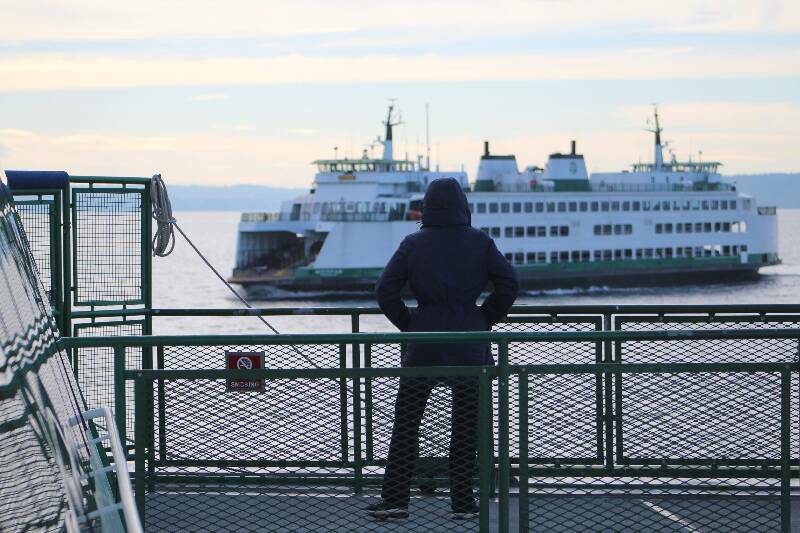
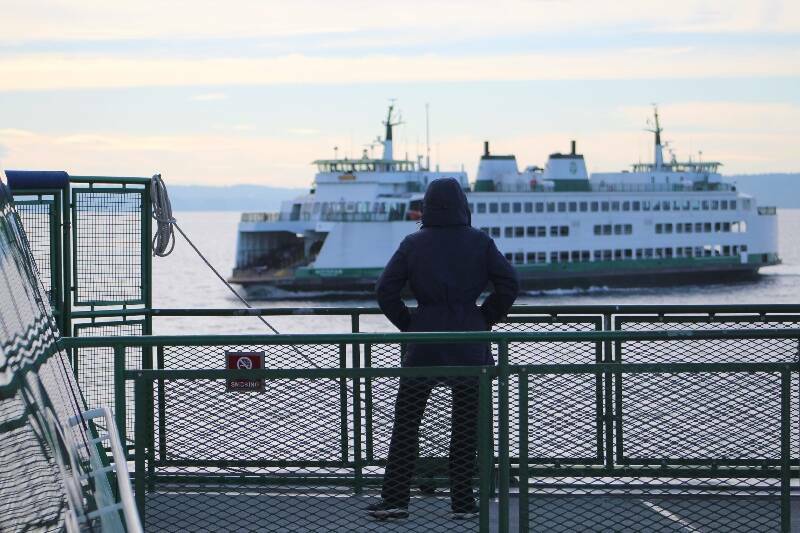


Whether you’re rolling up to the ticket booth or walking aboard, don’t be surprised to pay more for a ferry ride this fall.
Ferry fares increased Oct. 1 across all Washington State Ferries routes, part of the push to bring hybrid-electric boats to Puget Sound. The plan currently includes building three new hybrid-electric vessels and converting three existing ferries, one of which has already been completed.
The changes come as the Fauntleroy–Vashon–Southworth Triangle route has operated on a two-boat schedule since Sept. 29, following emergency vessel repairs and highlighting the strain of the aging fleet on island communities that rely on consistent service, ferry officials said.
“It is inappropriate to put the burden for system breakdowns on one of the only routes where travelers have no other way home,” Amy Drayer, director of the advocacy group Islanders for Ferry Action, said.
The disruption reflects broader challenges across the ferry system, which has long struggled to maintain reliable service.
The aging fleet requires regular — and sometimes emergency — maintenance, and when a boat goes down, another is often pulled from a different route to keep busier crossings running. The causes are debated: critics cite years of delayed boatbuilding, funding shortfalls and a shift toward electrification that some say has slowed the launch of new vessels.
The Triangle route saw 2.2 million riders in 2024, making it the fourth-busiest ferry route in the state, Callie Meleedy, communications consultant with Washington State Ferries, said.
Despite that, it is one of the first three routes to lose a vessel when one is needed to support busier routes. But Vashon, unlike Seattle–Bainbridge, the busiest route in the system, is only accessible by ferry — a situation that advocates say makes the Triangle route disproportionately affected by service cuts.
Higher fares and seasonal fee increases
The Washington State Transportation Commission approved the fare changes Aug. 6, setting in motion a two-phase increase. Fares rose by 3 percent Oct. 1 and will rise another 3 percent on May 1, 2026.
On the Triangle route, a full passenger fare increased from $6.75 to $7.45 on Oct. 1 and will rise to $7.60 next spring. The Legislature also increased the capital vessel surcharge by 50 cents, bringing it to $1. The surcharge, created in 2011, funds construction of hybrid-electric vessels.
Washington State Ferries’ farebox recovery rate — meaning the percentage of operating costs paid for by fares — is about 50 percent, compared with roughly 20 percent for most other transit systems, Aaron Halbert, a financial analyst with the Washington State Transportation Commission, said.
“From a dollars and cents standpoint, the ferry system is just extremely expensive, to fund from a capital side, as well as operate,” Halbert said. “There’s a sense that the riders of the ferry system should be supporting the cost of the system.”
Two policy changes will take effect May 1: extending multi-ride vehicle pass expiration from 90 to 120 days and raising the peak-season vehicle surcharge from 25 percent to 35 percent, matching San Juan routes, Halbert said. Passenger fares are not subject to the peak surcharge.
The peak season surcharge was designed to “mitigate the effects of increased tourism during those summer months, in order to support regular riders and people who utilize the ferry system on a day to day basis,” Halbert said.
For example, the price of a multi-ride pass for a standard vehicle on the Triangle route rose from $188.70 to $201.60 on Oct. 1 and will increase again to $207.20 on May 1.
“An across the board increase, particularly so large during the high season, is regressive and falls disproportionately on island residents who have no other road home,” Drayer said in an email.
Commissioners said the peak surcharge shift was intended to lessen the impact on regular riders by shifting more costs to tourists.
“It is never a fun job to raise rates,” said Debbie Young, chair of the Washington State Transportation Commission, at the Aug. 6 meeting. “But given the revenue targets that the legislature set for the ferry system, I feel like we’ve come to a fair proposal.”
Drayer, however, urges the state to find less regressive ways to raise revenue and support the fleet.
“We understand operating costs are going up,” Drayer said. “ … the state needs to look at ways that don’t punish folks, particularly folks who only have one road home.”
Hybrid-electric timeline
Three new hybrid-electric ferries are under contract with Eastern Shipbuilding in Florida at a cost of $714.5 million. The first could enter service as early as 2030, Meleedy said. The three vessels are part of the agency’s plan to have a 26-ferry fleet by 2040.
As of Oct. 6 the state has 21 ferries in its fleet, with 17 in the water. Full domestic service is defined as 21 vessels, with 18 operating at a time to account for maintenance.
Currently, only one hybrid vessel — the Wenatchee, a converted ferry — is operating. There are plans to convert two additional ferries of the same class, though no timeline has been set.
While Drayer applauds the move toward a more sustainable fleet, she questions why the state is investing in electrified boats before the necessary electrical grid is in place and says the focus should be on getting more boats in the water now.
“We understand the critical nature of electrification in the long term,” Drayer said. “In the short term, we have people who need to get where they need to get and we need boats in the water.”
The 2025 Legislature considered pulling back on hybridization to speed up vessel construction if there were additional delays but ultimately did not.
In March, Gov. Bob Ferguson announced that hybrid conversions for two large ferries will be delayed until after the 2026 World Cup to keep more boats in service.
“We need the new ferries really badly, and we’re excited for them to get here,” Kurt Workman, major construction communications manager for Washington State Ferries, said.
Two-boat schedule
The Triangle route has been on a two-boat schedule since the Suquamish was pulled for repairs last Monday. It will stay on the reduced schedule, with a third unscheduled “ghost boat,” until repairs are complete.
No date has been set for a return to three-boat service, but it will likely be in the next few weeks.
To learn more about the fare changes, visit wstc.wa.gov/programs/ferry-fares-policies