Islanders celebrate, commemorate belonging
Published 1:30 am Wednesday, August 13, 2025
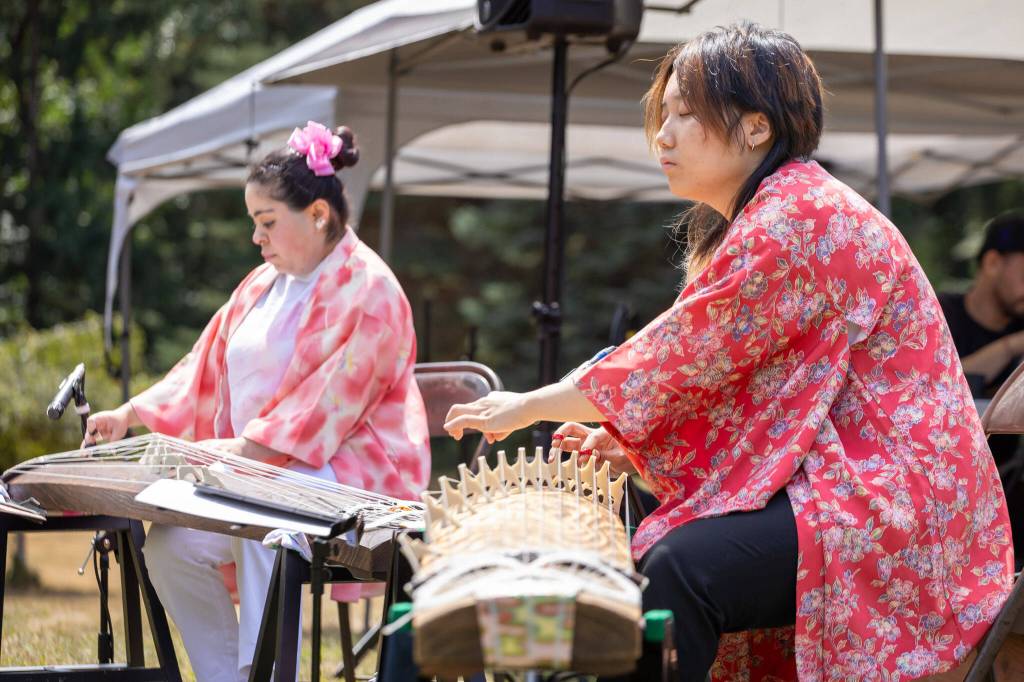

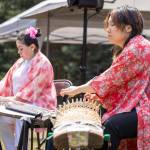
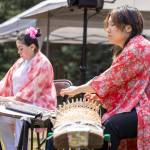


Islanders flocked to Vashon Cemetery the afternoon of Saturday, August 9 for a Kizoku Ishiki Obon— a celebration of belonging and honoring of the island’s community of Indigenous and Asian and other immigrant communities, hosted by the Cemetery and Kintsugi Somatic Art, an organization by island artist and activist Leah Okamoto Mann.
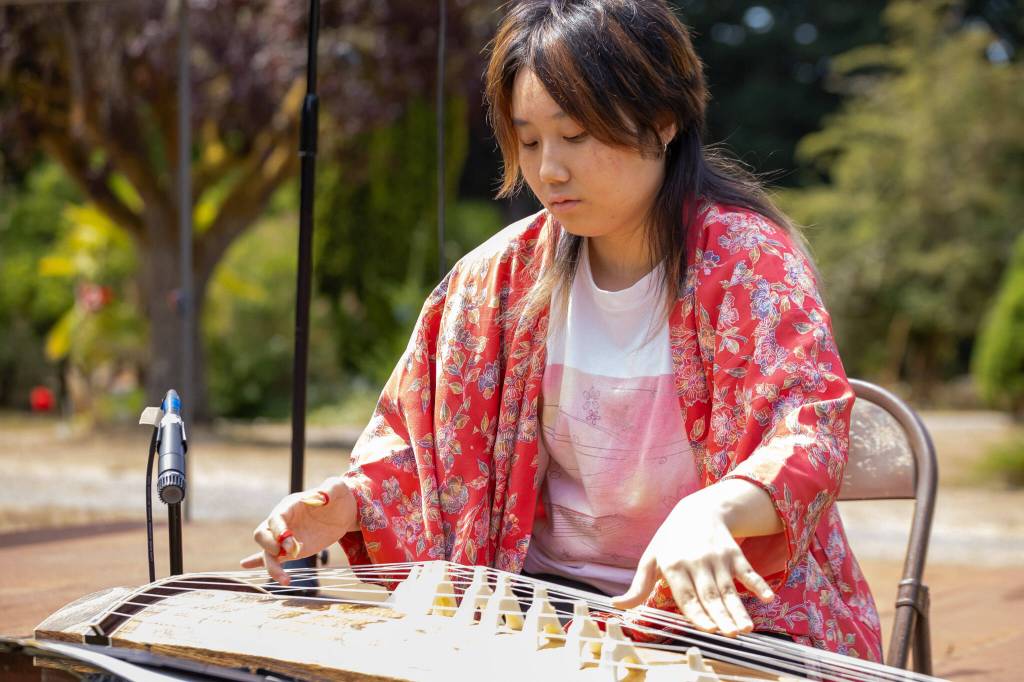
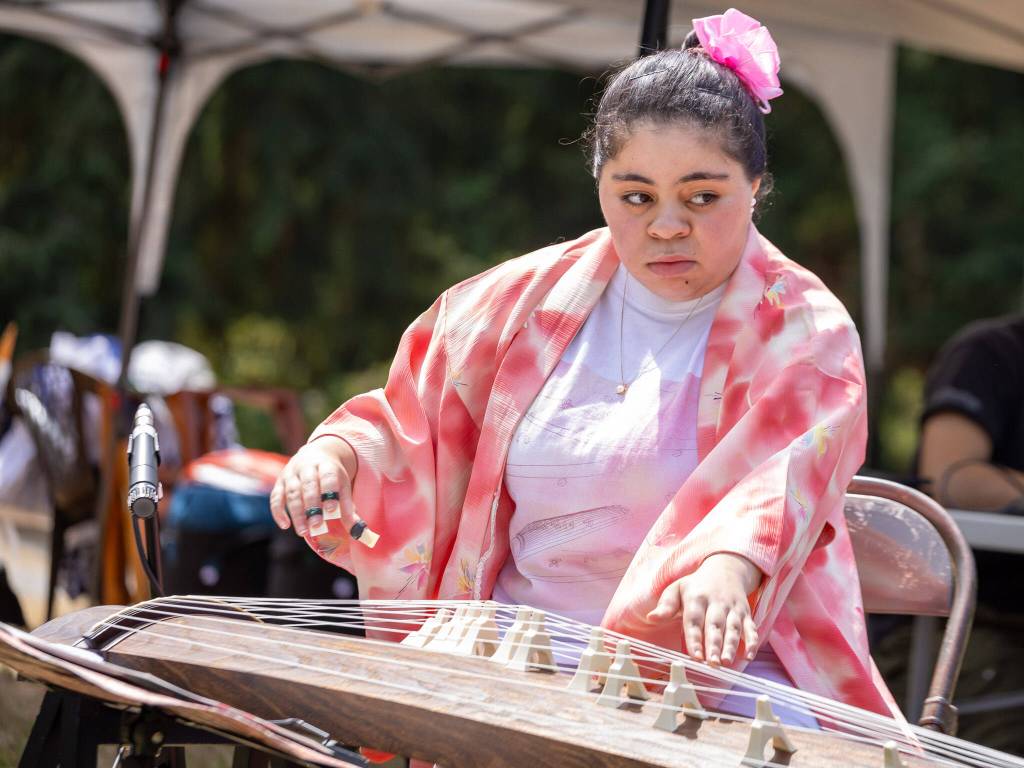
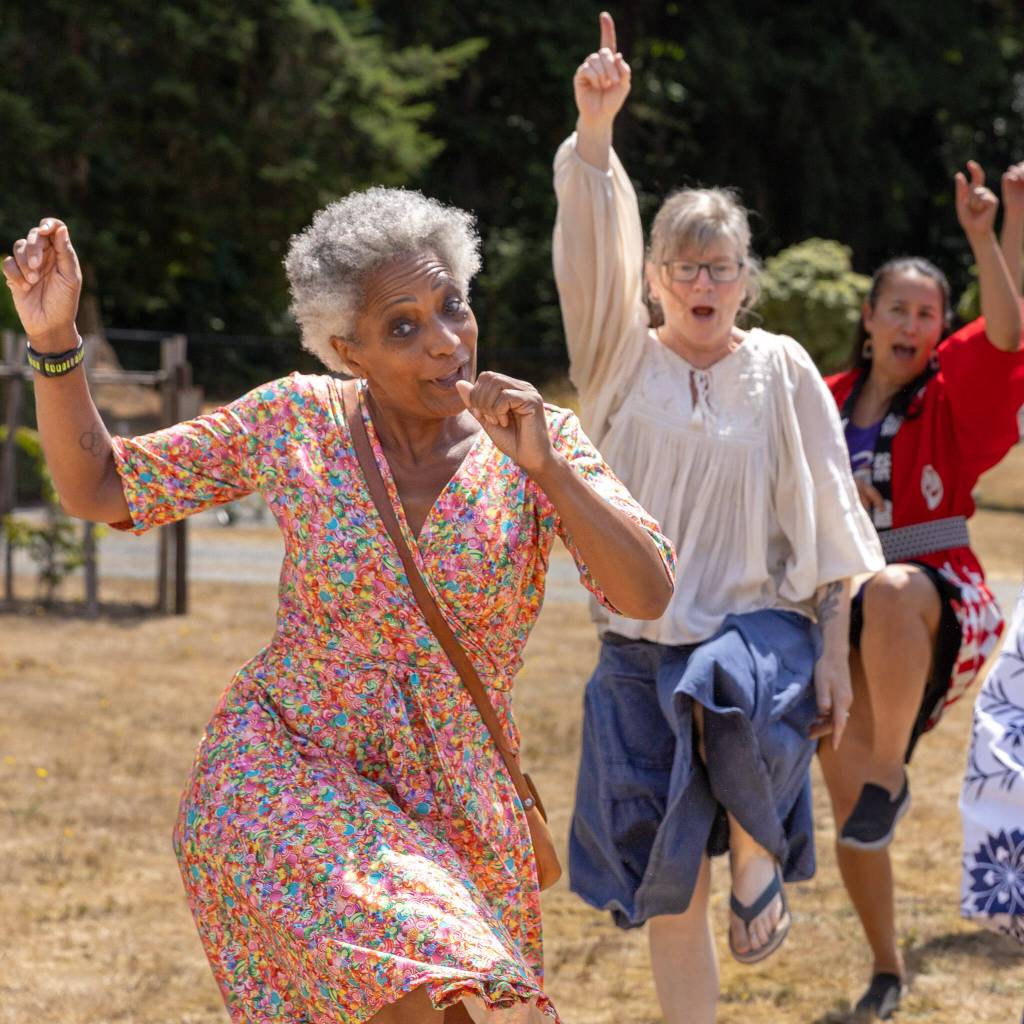
The event featured speakers, traditional Bon Odori festival dancing, Japanese koto music by the Koto no WA ensemble, walking tours and more. Obon, typically celebrated in the mid-to-late summer, is an annual Japanese and Buddhist celebration of family and loved ones who have died.
“When I think about belonging, I envision the lines that go back and forth — the connections we make when we come together,” said speaker Jade Agua, executive director of Friends of Mukai, which stewards the Mukai Farm & Garden. “Whether a smile and a wave, or a hug and a conversation, we are saying to one another: ‘I see you, and we belong.’ “
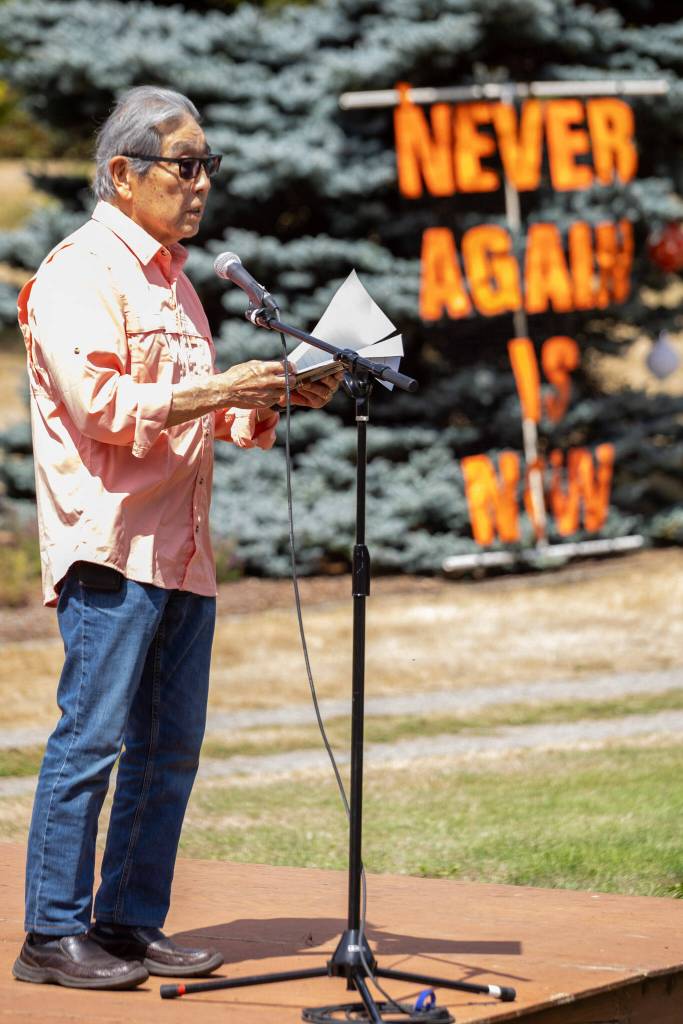
Islander Dr. Joe Okimoto, a survivor of Japanese American incarceration in 1942, shared his experience both surviving the American concentration camps of people of Japanese ancestry in the 1940s, and of finding career and community success as an adult. “My story includes what I consider the best and the worst of America’s treatment of newcomer families,” he said.
Just 11 years after his release from the Poston concentration camp, Okimoto was accepted into Dartmouth College, leading eventually to his earning a medical degree from Harvard Medical School. That journey, he said, was thanks in large part to the support of his family and the financial support from those higher educational institutions.
“The Japanese phrase ‘okagesama de’ succinctly conveys what this celebration today is about,” Okimoto said. “Translated, it means ‘I am me because of you.’ … My story is an example of okagesama de. … Once my freedom and rights as an American citizen were restored, I could freely compete and ascend the educational ladder, but I could not have done this alone.”
But today, he warned, “we are alarmingly losing what I consider the best of America,” amid the unwinding of affirmative action programs, the targeting of immigrants who legally reside in the country and the usurping of political institutions by extremists.
“All of the political changes I’ve described are weakening and destroying our connections to our ancestors, by erasing history,” Okimoto said. “Those who want this country to become a dictatorship see no place for people of color, except as occupying a place of subservience.”
He concluded: “What would our ancestors want us to do in this moment of crisis? I would answer: I will fight in opposition. I hope you will join me.”