Packing a go-kit, bike safety, and other summertime tips
Published 1:30 am Wednesday, June 5, 2024

The Prepare in a Year action plan breaks up “getting ready” into small, manageable tasks.
In February, we covered designating an out-of-state emergency contact, making an Emergency Contact card, and signing up for emergency alerts.
In March, we went over what to consider before needing to evacuate from home, including having an emergency kit already assembled to take with you.
In April, we discussed how to make water safe to drink, and how to store water. Catch up on the series of action steps via this handy link.
The Prepare in a Year series continues in June with more details about emergency kits, also known as go-bags or go-kits. A small duffel bag, rolling suitcase, or old-school backpack can hold a kit for each family member that’s tailored to their needs. You probably already have many of the items you’ll need: water, snacks, a flashlight or headlamp, important phone numbers and documents, some cash, a cell phone power bank, and a charging cable.
Maybe you already keep a kit like this in your car, at school, or at work. Children can keep a kit at school or daycare. It’s a good idea to review the contents periodically — snacks have a way of getting eaten and not replaced. We love go-kit lists; here’s ours.
Don’t forget to include an item for comfort or amusement like a teddy bear, crayons and a coloring book, or a crossword puzzle. (Those can also help during long ferry waits.) Building go-kits makes a great kids’ summer project because kits can start small and get really creative. If you’re feeling ambitious and would like to save money, go in with friends or neighbors on a bulk buy of pre-portioned snacks or ready-to-eat meals.
What’s in your go kit? We want to hear from you.
Please share your kit list or your clever or unusual item by emailing us at sitaware@vashonbeprepared.org. If we choose your idea for a future edition of the VashonBePrepared newsletter, we’ll give you one of our favorite items to add to your go kit.
Rider Safety Tips
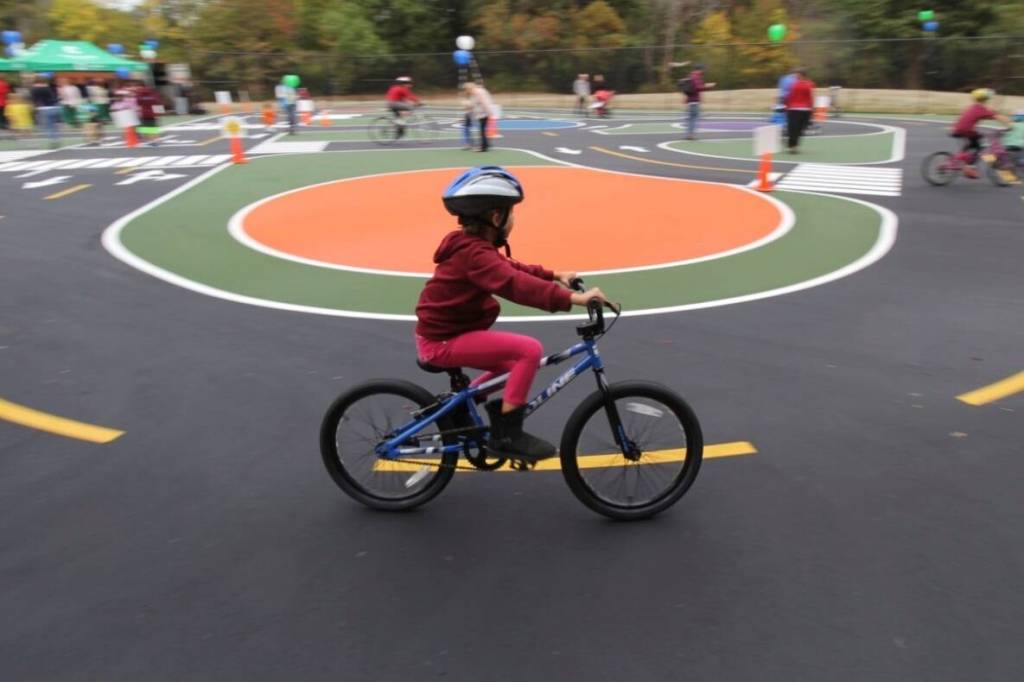
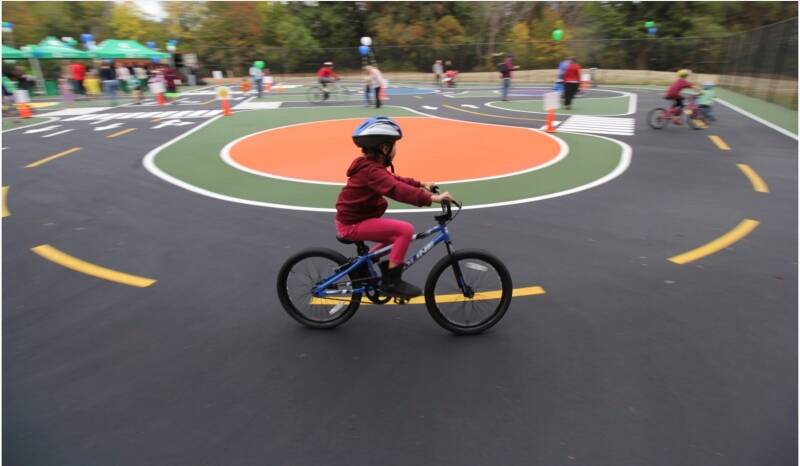
A fair number of folks here already commute by bike, and for the rest of us, bicycling gives us a change of scenery, a fun way of exploring the outdoors, green transportation, and some healthy exercise. Here are a few tips for doing it safely.
- Smart riders wear helmets to protect their brains. Free or low-cost helmets for kids are available from a number of sources around King County; visit online.
- Be visible to car drivers and other bicyclists. Wear bright colors, and add lights to the front and back of your bike.
- Learn to ride with traffic, following the same traffic rules as cars (such as stopping at stop signs and yielding to traffic at four-way stops).
- A well-maintained bike is a safer bike. Do a seasonal tune-up, inflate tires before each ride, adjust the seat to the rider, and add a bell or a horn. Keep clothing and other items stowed safely away from chains and wheels.
- Choose safe places to ride that match your proficiency level and comfort with traffic conditions. A family ride on a dedicated bike path or trail may be more fun and safer than riding through uptown Vashon on Saturday mornings.
Book a NERO Presentation for Your Block Party
With Memorial Day behind us, it’s full speed ahead to summer. Some neighborhoods enjoy gathering for summer block parties, and a number of folks have already requested help with organizing or updating their Neighborhood Emergency Response Organizations (NEROs).
Get your block party date on our calendar before it fills up. Email nero@vashonbeprepared.org for handouts to share with your neighbors, information about organizing, or to request a coordinator to give a talk at your block party.