Time & Again: George Colvocoresses
Published 1:30 am Wednesday, April 27, 2022
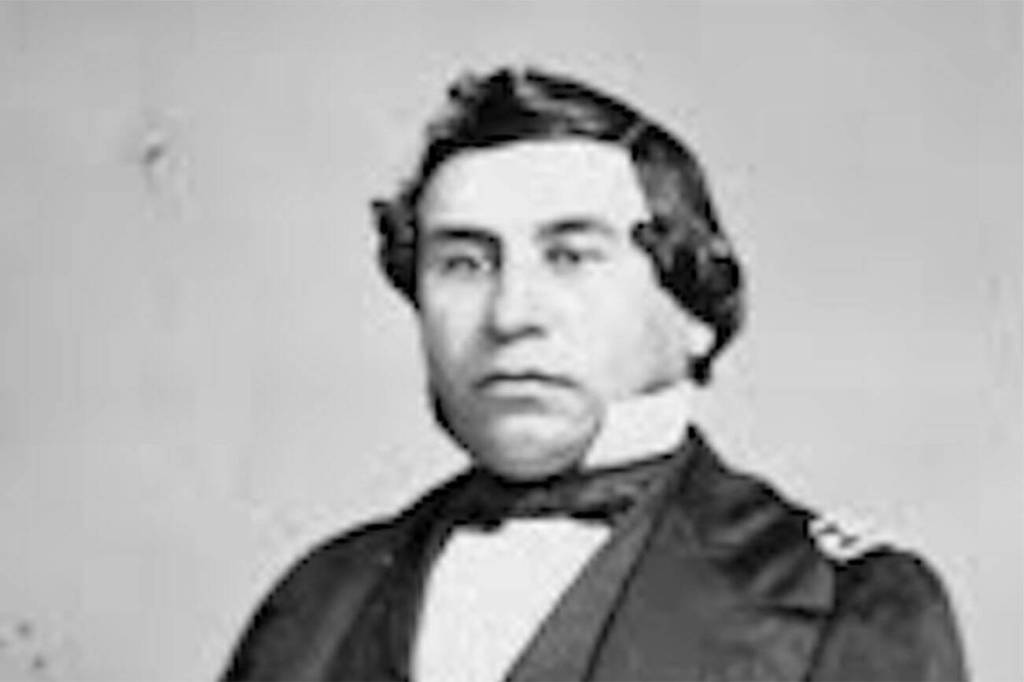
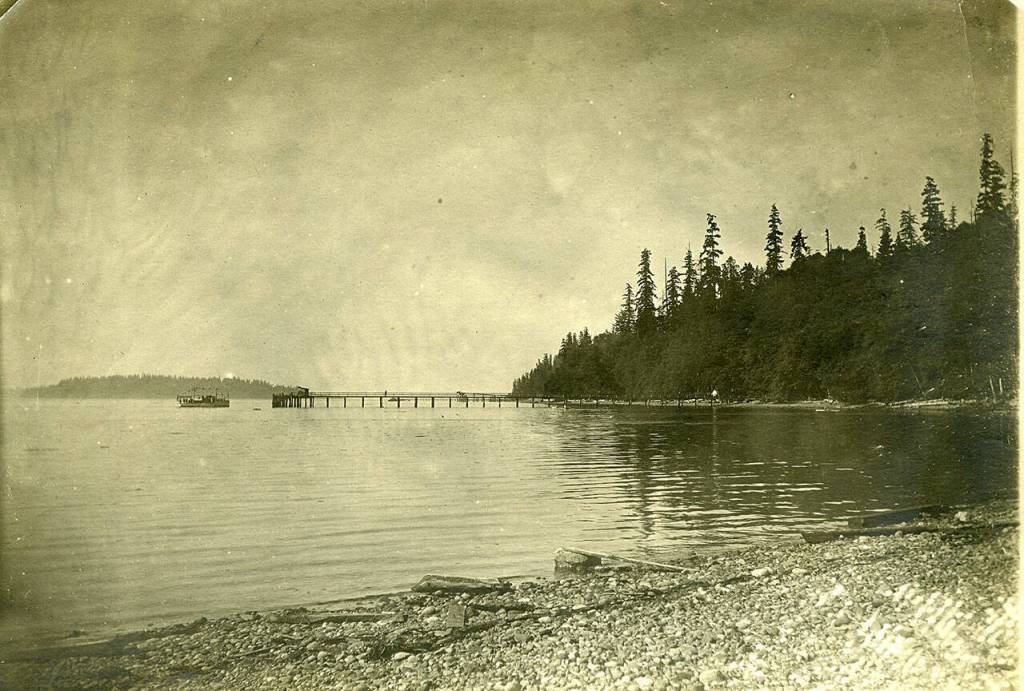
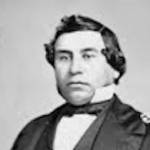
Colvos Passage defines the western boundary of Vashon Island, and was named by Commodore Charles Wilkes in 1841 for George Colvocoresses, who served in the American Exploring Expedition that mapped Puget Sound that spring.
Colvocoresses was known by his shipmates and friends as “Colvos,” and thus the shortened name for what is sometimes referred to as “The West Pass” stuck.
Colvocoresses was born in 1816 in Greece on the island of Chios. He was kidnapped, enslaved, and ransomed back from the Turks during the Greek War of Independence.
Colvocoresses was sent to Baltimore, Maryland in 1824 at the age of eight, adopted by an American family, and after graduating from the Academy that would become Norwich University in Vermont, joined the U.S. Navy as a Midshipman in 1832.
He then served on the frigate USS United States in the Mediterranean. From 1838 to 1842 Colvocoresses served in the American Exploring Expedition, better known as the “Wilkes Expedition,” after its commander, Charles Wilkes.
The Wilkes Expedition was the last Euro/American exploring expedition to travel around the world by sail.
The Expedition is best known in the Pacific Northwest for mapping what we now know of as the Salish Sea, but the Expedition also mapped the islands of the Pacific, Antarctica, and the coasts of South America.
Colovocoresses published his account of the expedition in 1852 titled, “Four Years in a Government Exploring Expedition.” The expedition was an attempt by the United States to establish its presence as an emerging world power and named numerous locations to establish its claims around the world.
An island in Fiji was named Colvocoresses Island, Colvos Rocks at the entrance to Port Ludlow and Colvos Passage were all named to honor Colvocoresses.
While anchored off the south end of Vashon, Colovocresses wrote one of the earliest pieces promoting the beauties of the island. He described the evening of May 10, 1841:
“At sunset we came to under the western shore to wait for daylight. It was a rich treat to behold the sublime prospect around us through all its transitions of sunshine, purple hues, mellow twilight, and every shade, until there was nothing else to see but the dark loom of Mts Rainer and Olympus, uplifting themselves against the clear and starry skies of this region.”
Following the return of the expedition, Colvocoresses served on a variety of Navy vessels and stations around the world, was promoted to Lieutenant, and contracted Yellow fever, which impaired his health for the rest of his life. In the late 1850s he served on the Corvette Levant and fought alongside the British in the Second Opium War.
With the outbreak of the American Civil War, Colvocoresses, unlike his shipmate on the Wilkes Expedition, William Maury, who turned traitor and fought for the Confederacy, continued to serve his country in the U.S. Navy.
Colvocoresses was promoted to Commander, and during the war commanded the USS Supply, Saratoga, Tuscarora, Dacotha, Wachausett and St. Marys.
Colvocoresses distinguished himself numerous times in combat. He captured blockade-runners, lead raids against Rebel positions, freed enslaved people, and was thanked in General Orders by President Lincoln and awarded a Letter of Commendation by the Secretary of the Navy for his “services to the country.”
He was promoted to Captain in 1867 and retired to his home in Litchfield, Connecticut.
On an 1872 business trip to New York, he traveled to Bridgeport where he was to catch a steamer to the city.
He carried a bag with $8,000 in cash, $80,000 in bonds, and his cane that included a hidden sword. Colvocoresses never made it to New York.
He was shot in the head as he walked to the steamer dock. Colvocoresses’ body was found that evening with the bag slashed open and his cane sword broken. The crime was never solved, the money was never recovered and his killer never apprehended.
Colvos Passage is an important landmark for Vashon Island. It defines the west side of the island, it separates the island from the Kitsap Peninsula, and it carries the name of a true American hero.
Terry Donnelly is an island photographer. Bruce Haulman is an island historian.