Water District announces ‘all clear’ after boil water advisory
Published 10:27 am Monday, February 2, 2026
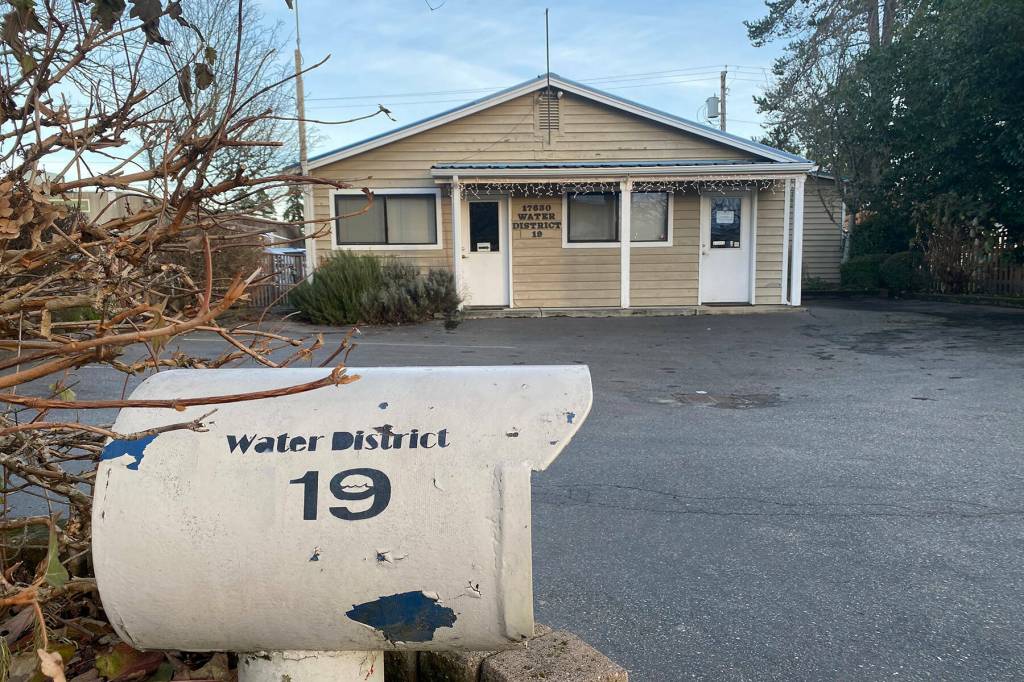
Last Friday, Water District 19 issued a drinking water warning to some of its customers which remained in effect throughout the weekend, informing them to boil their tap water due to possible contamination caused by low pressure after an excavator struck a water main on SW 216th Street and 86th Ave SW.
According to the notification sent to customers and also posted on the district’s website, affected customers were told to boiled or purchased water for drinking, making ice, brushing teeth, washing dishes and food preparation.
By Monday morning, the advisory was lifted after water samples submitted to Washington’s Department of Health indicated an absence of coliform bacteria following the accident and subsequent repair of the water main.
According to water operator Helen Westphal, notifications of the boil water advisory were sent by robocalls and emails to about 188 customers in the general area. The notice was also posted to the district website, at water19.com.
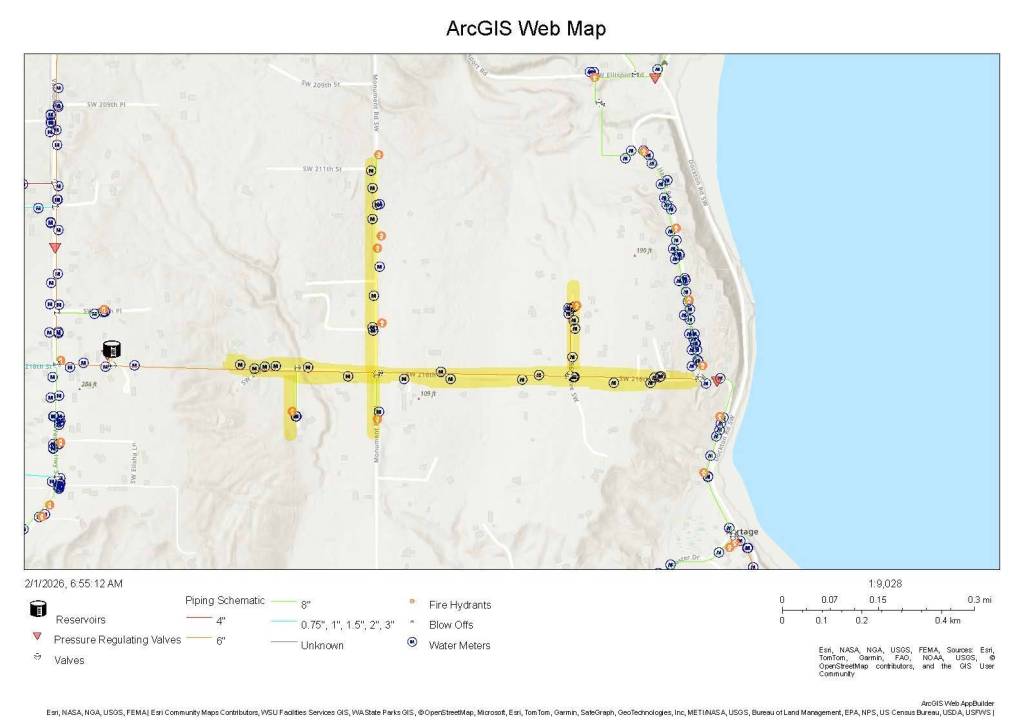
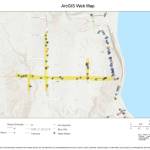
The advisory, Westphal said, pertained only to what she estimated to be “a few dozen” homes located along 216th Street, west of Tramp Harbor Road SW to Monument Road, and to homes along Monument Road SW that are located south of SW 211th Street.
A more detailed map sent to The Beachcomber on Sunday by John Martinak, the district’s general manager, showed the affected area in more detail, indicating some residences on 86th Ave SW, near that street’s intersection with 216th Street, were also subject to the boil water advisory.
During the excavator accident, the water main pipe was damaged, causing water loss and low pressure for some customers in the area, Westphal said.
“When low pressure loss occurs, contamination from the environment or from human or animal waste can be drawn into the water system,” Water District 19’s notice said. “Microbes in these wastes can cause short-term health effects, such as diarrhea, cramps, nausea, headaches or other symptoms. These may pose special health risks for infants, young children, the elderly and people with compromised immune systems.”
John Martinak, the district’s general manager, clarified in a text that coliform bacteria is not as harmful as E. coli or fecal bacteria, but is used as an indicator of the potential of harmful bacteria.
Westphal urged District 19 customers to be sure that the district has their current telephone numbers and email addresses for timely notifications about water advisories.
For more information, call Water District 19 at 206-463-9007, email water19@water19.com or visit water19.com.