Alice May becomes second Vashon resident to complete Western States Endurance Run
Published 1:30 am Wednesday, July 23, 2025
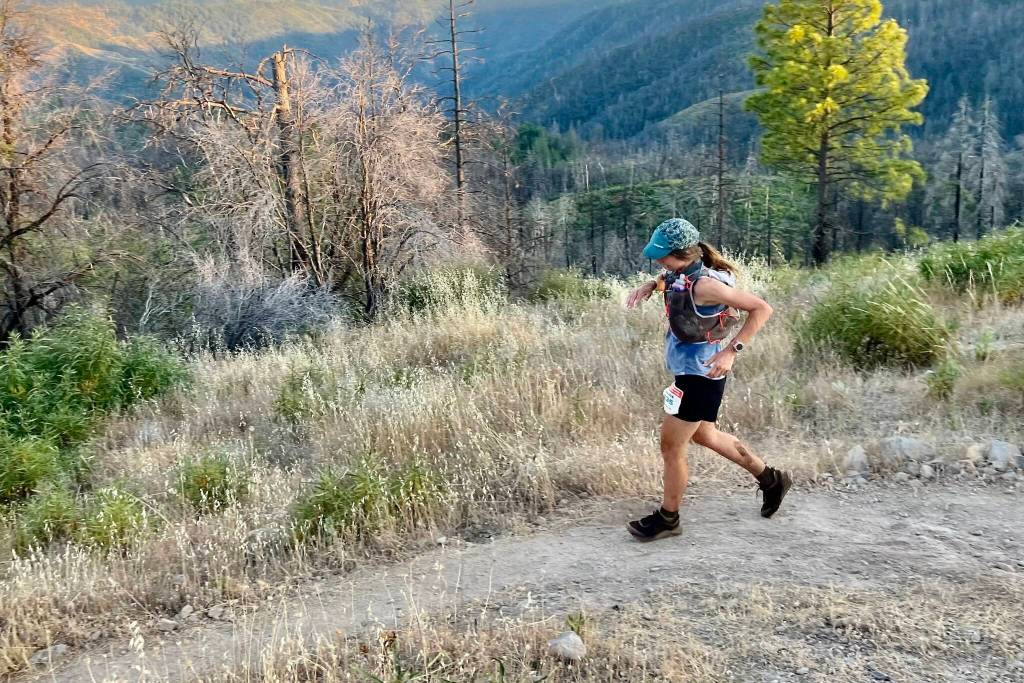
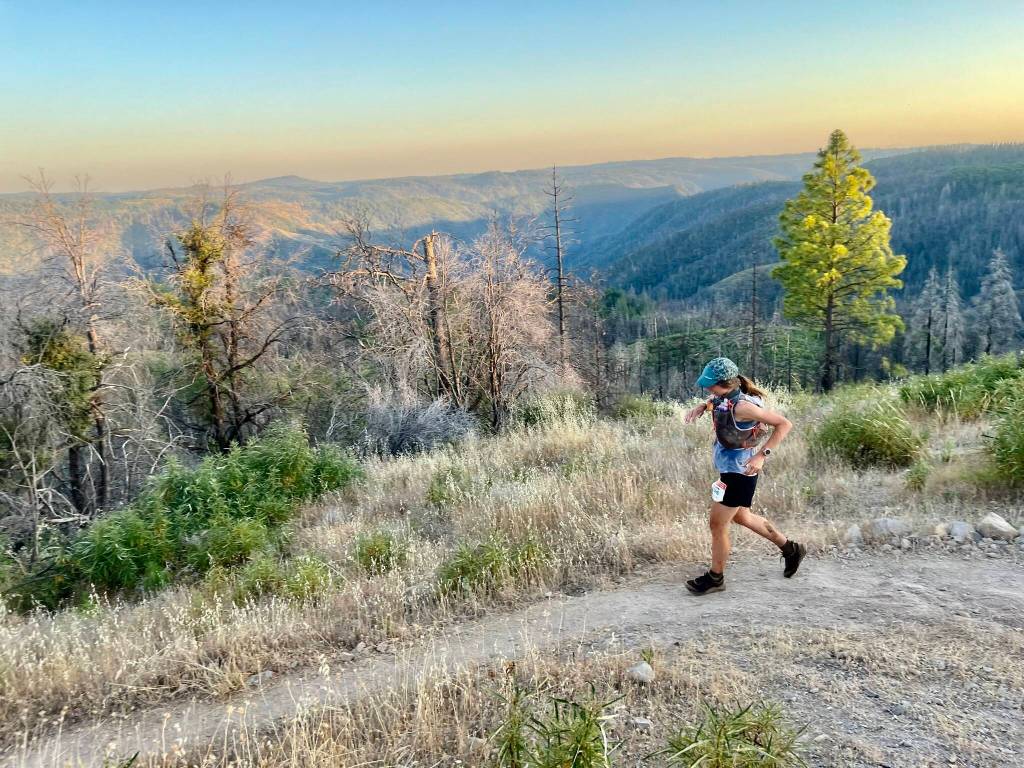
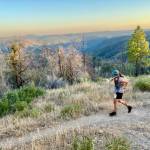
Maybe you got up this morning and said to yourself: “I think I will run one hundred miles today.” Maybe — probably — you didn’t. But last month on June 28, islander Alice May did exactly that.
Running the Western States Endurance Run is really hard. But in a way, getting to the starting line is even harder.
Founded in 1974, the Western States run is considered the oldest 100-miler. In 1984, Congress passed the California Wilderness Act, protecting more than 3 million acres, including the Granite Creek Wilderness — which is now part of the Western States course. Since the run predated the wilderness designation which would ordinarily have prohibited an organized event, the event was sanctioned but limited to the number of runners that participated in the year the act was approved: 369.
For each year’s race, a lottery is held the previous fall in which thousands of registrants vie for one of those 369 spots. Lottery participants who have failed to gain entry in previous years get an increasing number of “tickets” in the lottery. Alice had not entered before and thus had one ticket — giving her merely a 0.7% chance of being selected. But it was all the chance that Alice needed, and she went off to California’s Gold Country this summer for the event.
Calm, determined, and not-unexpectedly, lithe, Alice says that you don’t run these ultra-distances unless you have a purpose. For her, the purpose is highlighting the achievements of women who raise children, hold down jobs and still manage to achieve the seemingly impossible.
Alice is only the second Vashon native to have completed the event: emergency room doctor Andrew Peet was the other, in 2014. Alice’s time of twenty-six hours and thirty-six minutes placed her 28th amongst the 76 female finishers at this year’s run. With two children and a full-time job, Alice’s training mostly takes place on Vashon, which fortunately supplies a surfeit of trails with hills but no meaningful altitude. Dockton Park is one of her favorites.
Although the Western States is the oldest 100-miler, it has plenty of domestic as well as international companion events, many with more daunting names. The Badwater 135 takes runners from the floor of Death Valley to the finish on the flank of Mt. Whitney – in July. The Hardrock 100 takes place on trails and jeep roads in the San Juan mountains of southwestern Colorado and has a cumulative elevation gain of 33,000 feet. The Leadville 100 follows trails and jeep roads that stay above 10,000 feet elevation for the entire route with summits to 12,600 feet in the environs around Leadville, Colorado. And for a European flair, among many others, there is the race around Mt. Blanc with sections in France, Italy and Switzerland.
The Western States course starts in Olympic Village, a few miles west of Lake Tahoe and at an elevation of sixty-two-hundred-feet. At 5 a.m., runners click their stopwatches and are off. The first four miles ascend about 2,500 feet to Emigrant Pass, the apex of the course. From there, the course traverses trails put in by the gold and silver miners in the 1850s. This part of the course climbs another 15,500 feet and descends almost 23,000 feet to arrive in the small town of Auburn, California — the epicenter for the California gold rush.
There are 20 aid stations where runners have placed personalized packages of their favorite running foods, electrolytes and fluids to keep them going. At about mile 52, Alice was waved over to the side of the trail by the originator of the course, Gordy Ainsleigh. Gordy is a chiropractor and life-long advocate for health and fitness. He had noticed a little something in Alice’s posture that he didn’t like. After a quick adjustment, she was back on the trail.
Women do very well in these long-distance events. While men tend to have more muscle mass and greater aerobic capacity in general, women tend to exhibit better fatigue resistance and fat metabolism that correlates well with extreme endurance events. The current holder of the FKT (fastest known time) for the 2,190-mile-long Appalachian trail is held by female runner Tara Dower, at 40 days and 18 hours. That’s an average of almost fifty-four miles per day over a trail, parts of which are barely walkable.
Last year, British runner Jasmin Paris became the first female and only the 20th person to complete the grueling 100-mile Barkley Marathons in under the 60-hour cutoff. This event is billed as “The Race that Eats Its Young” and consists of five twenty-mile loops of off-trail bushwhacking through severely rough terrain in Frozen Head State Park in Tennessee. The course is not marked – runners are given notes and a hand drawn map at the starting point. One runner was lost for over 30 hours ending up in another county. What some people will do for fun.
It probably comes as no surprise that such intense physical exertion creates an intense bond among fellow sufferers. The community around the sport is strong and provides both moral and physical support. Alice readily acknowledges the huge part this community has helped with her extreme runs. In the Western States run, participants are allowed to have a “pace” or “safety” runner after the 68th mile. Islander Rusty Knowler ran those last 32 miles with Alice this year. Alice returned the favor as his pace runner for the Cascade Crest 100-miler near Easton, Washington this past weekend, July 18 and 19.
In addition to Rusty, Vashon had two other finishers in the Cascade Crest 100 this year: Bjorn Syse, who recently relocated to Maple Valley, and Nick Keenan, who was paced the last 31 miles by Ben Nelson.
For those interested in joining the Ultra running group on Vashon, contact vashonultramarathon@gmail.com.
Pat Call is a freelance writer for The Beachcomber. He gets the call when someone does something crazy like running a hundred miles.