Welcome, rain and wildlife: Glad to say goodbye to smoky, hot summer
Published 1:30 am Tuesday, September 26, 2017
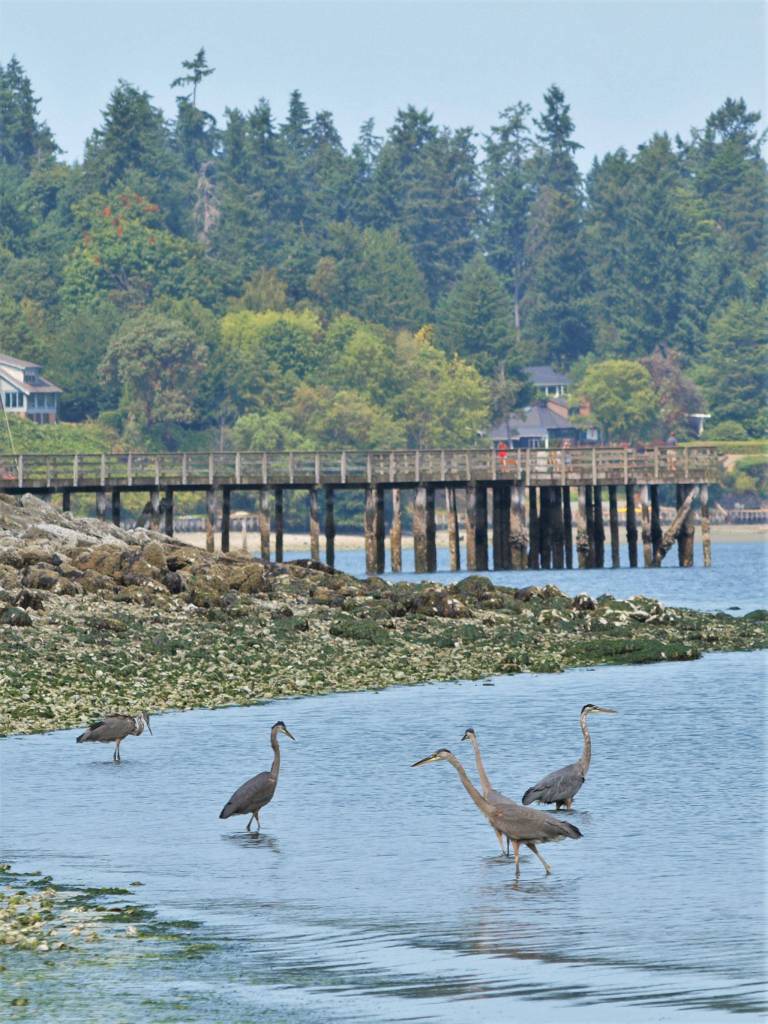

I’m so relieved the rain has returned. Three months of near-relentless sunshine felt oppressive and ominous to me. I missed moss and mushrooms and fern fronds that don’t turn to dust at the merest touch. I confess I was mostly done with our dry summer by the Fourth of July — preoccupied with thoughts of flames sweeping up our bluff every time I heard fireworks, which senselessly and carelessly went on for weeks after the holiday.
By August, our island was unusually hot and tucked under a blanket of smoke from distant fires causing eerie red suns and moons to cast an apocalyptic and alien quality on our familiar views. When news reports of hurricanes and earthquakes began to fight for headline space with the cacophony of domestic and international crises, I wasn’t able to make my usual escape to the woods to clear my head because I’m one of the sensitive individuals described in air quality warnings. I had to forgo my daily therapy walk and retreat to a cool basement room my husband calls “the hole.”
During those days quarantined from the smoke, I reflected on the ways nature requires us to accept difficult choices and inevitable changes. I realized that it’s possible to feel compassion and concern for both livestock owners and a wild, young cougar trying to make a living in a hostile environment. I marveled at how the odd shape-shifting shadows during an eclipse bluntly remind us that we are space travelers scooting through the universe as passengers on a planet that isn’t stagnant in space or time. I wondered at the ability of our species to blithely live our lives in the path of natural disasters, whether hurricanes or earthquakes.
We spend a lot of time trying to maintain stability — trying to avoid or deny the inevitable changes in our lives and our environment and the inescapable physical decline in ourselves and our loved ones. However, I have come to appreciate that the point of forging a connection with the natural world is that it bluntly reminds us that we ought to spend our time understanding and adapting to change rather than avoiding or denying it.
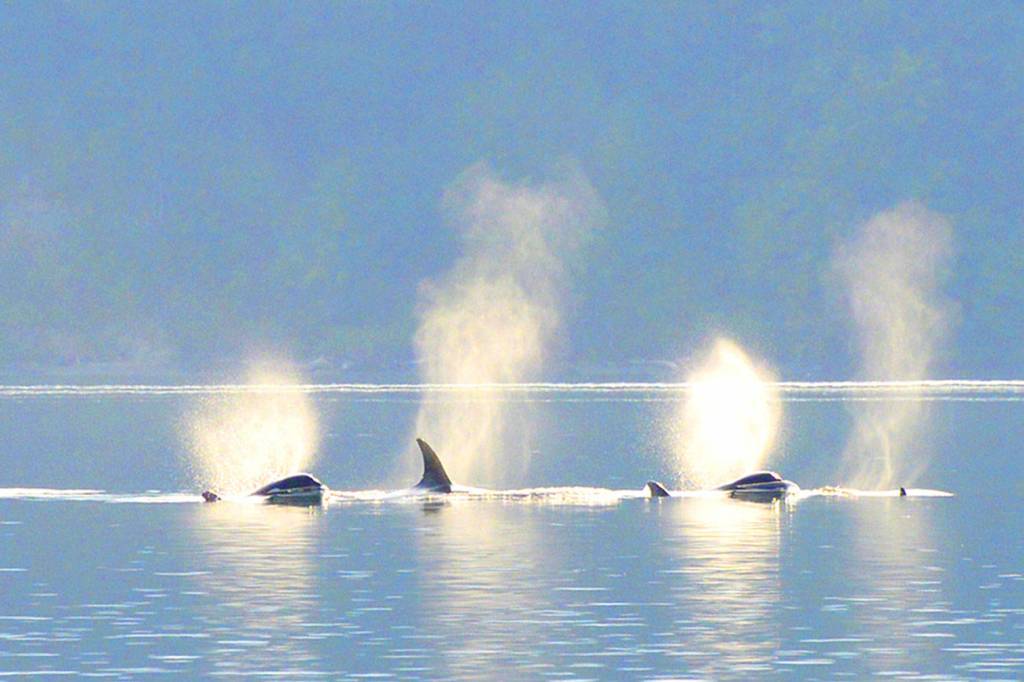
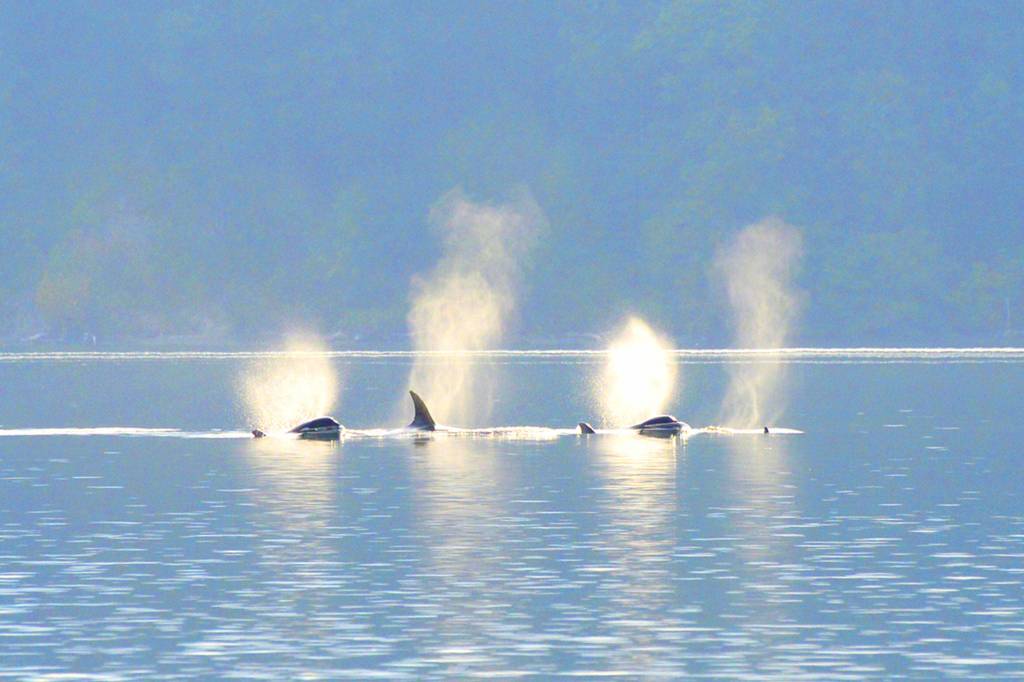
Thankfully, the smoke subsided. It was time to emerge from the hole, clear my head of confounding thoughts and re-connect with nature. The returning rain feels familiar and reassuring, and autumn has already begun to rearrange the quality of the light and the air. The signal has been sent for osprey and summer songbirds to depart and for salmon and orcas to return.
Fall is the time to re-calibrate natural rhythms and plug back into the nature matrix. One way to do this is to reinvest in Vashon’s natural resources. The calendar for the coming month lists several opportunities for stewardship by trail-building, tree-planting and beach-surveying. Or you can check in on our fellow species by accompanying expert Audubon birders around Vashon for free and subscribing to Sound Action’s PodBlast to receive text alerts telling you where and when to see whales in Vashon’s waters.
Whale Watching
Get text alerts whenever whales are in Vashon’s waters. Subscribe for $20 per year at soundaction.org/podblast.
Report all local whale sightings and marine mammal strandings to Ann “Orca Annie” Stateler at the Vashon Hydrophone Project by calling 206-463-9041 or emailing vashonorcas@aol.com.