Big and Little Kids Team Up to Learn a Monstrous Lesson
Published 1:30 am Thursday, December 10, 2020
By Susan McCabe
For Vashon Island School District
Education isn’t just facts. In fact, a well-rounded education teaches life lessons and self-discovery through guided experience. One place that can be most effective is in art class.
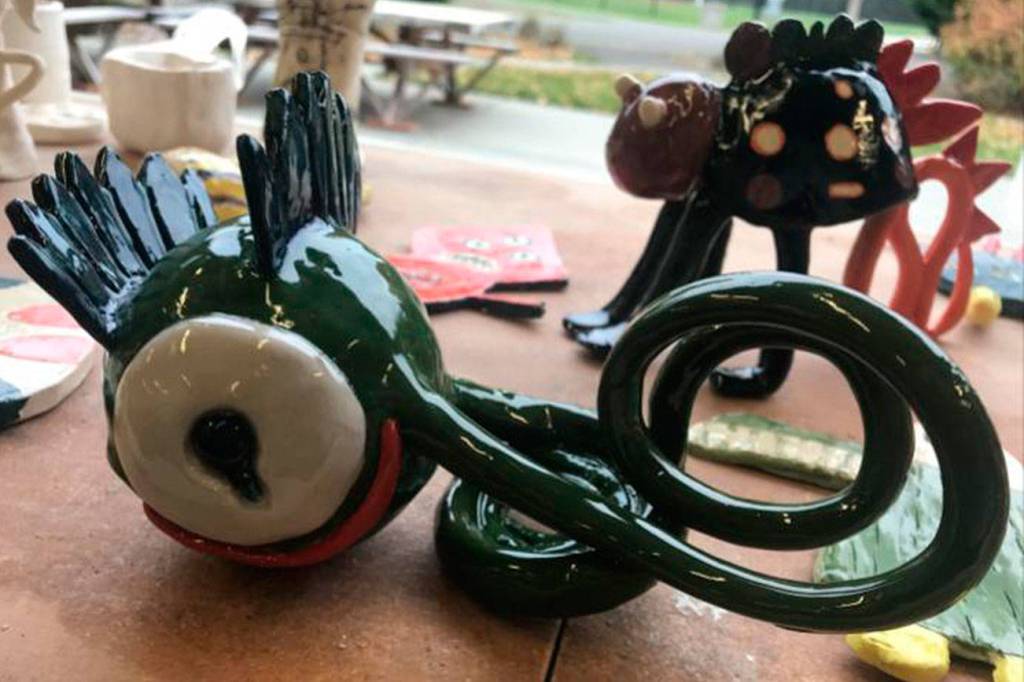
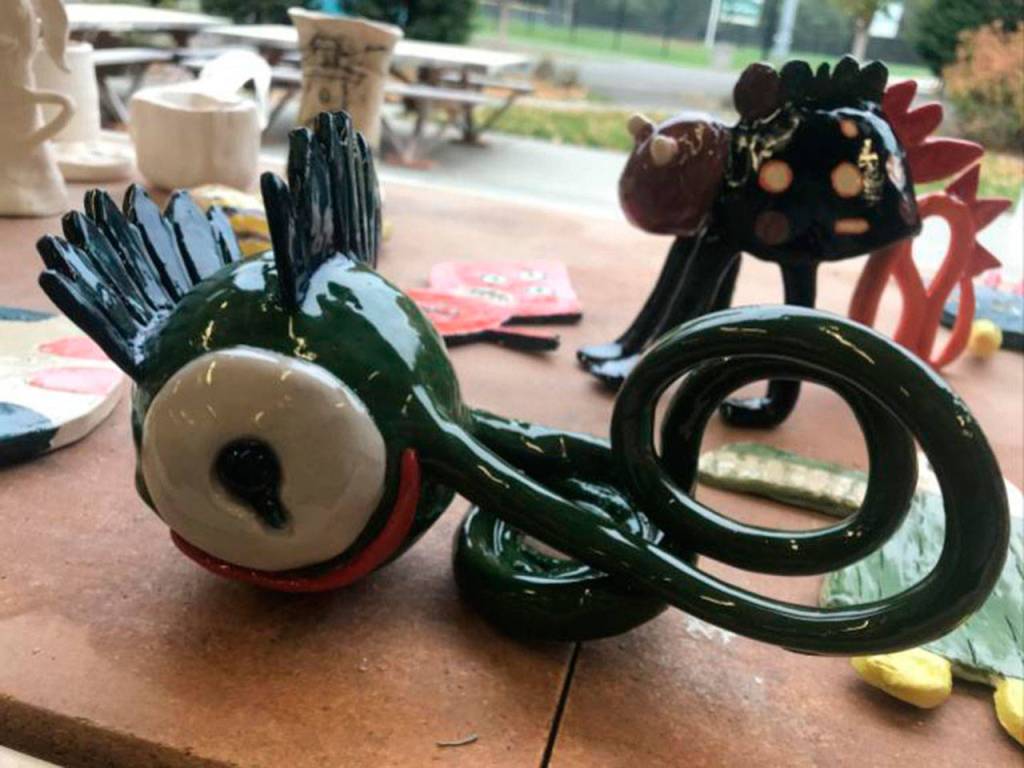
Vashon High School (VHS) students, for instance, learn about personal risk in Kristen Adams’s collaboration between Chautauqua (CES) kindergarten students and her VHS art students. The program has been called Monsters On Parade since Adams formulated the joint project with CES art teacher Tara Brenno four years ago. Among other things, it creates connections that might not otherwise occur.
Around October, Brenno’s kindergartners draw monsters in their art class. Those fancifully drawn beasts go to students in Kristen Adams’s VHS ceramics class, where they are each challenged to render a kindergartners’ monster in ceramics. And that’s where the risk comes in.
The project triggers fear and excitement. It causes the VHS students to be careful, and they have a lot of fun with it too.
“It’s a silly project and it’s hard,” art teacher Adams said. “The kindergarten drawings are imaginative and difficult to render. But it’s ultimately very satisfying to sculpt the drawing they originally received into a ceramic piece.”
VHS principal Danny Rock put it this way, “Elementary school kids can be elated or devastated depending on how their VHS sculpture comes out. Art is high risk. Projects break; they fall off walls and so many things can go wrong for all the reasons other people might not try this in the first place. But our current art teachers encourage students to take risks with art, to live in that place of fear, anticipation, joy and expectancy. Art is meant to push us, to challenge us, to help us do things differently and see ourselves differently.”
This year, because of pandemic restrictions and virtual learning, the project itself also played out differently.
The first three years of parading monsters included a gathering, once at the old Blue Heron building, currently part of Vashon Center for the Arts.
“In the past, when we could have an in-person sharing of the pieces, it was a joyful afternoon for the high school students to spend time with the kindergartners and vice versa,” said Adams. “This year, we packaged the monsters and placed them in The Hub for pick-up.”
It was still a meaningful experience for both groups.
Both parents and Adams reported the VHS students took the project seriously.
“Even if they mess up or have a bad experience with it, I have countless conversations with them. It’s really powerful to make something for someone else,” Adams said.
The kindergartners, Adams added, enjoyed the connection with a high school buddy and the fact that their monster was sculpted specially for them.
The district is too small to have a comprehensive K through 12 art program with just three art teachers total. So, innovation and collaboration can amplify art opportunities for VISD students. Rock credited Adams with the success of the Monsters on Parade program.
“Kristen is skilled at partnering with other agencies,” he said. “She regularly seeks connections for kids to display art and share it with the community.”
The partnership and the process have evolved and expanded over the four years to include a Winter quarter portrait project currently underway. In this collaboration, kindergartners introduce themselves to their VHS buddies with photos and written observations about nature from their “sit spots.”
The high school art students then draw portraits of their kindergarten partners. Adams says she’s also found ways to help VHS students create sculptures that are less fragile, modifying their designs so they can make it through the formation and firing processes.
“I’ve tried something new every year,” she said, “like monster habitats one year, or notes from the monster to the sculptor.”
Adams is continually experimenting with making the collaborative experience more meaningful for each student and challenging herself to dive into the joyful risks that art — and innovative arts education — present.