Are you ready for winter?
Published 1:30 am Tuesday, November 1, 2022

You’ve had your first fireplace evening. The rain jacket is hanging by the door. You pulled up that warm extra blanket last night. Fall has arrived and winter is on the way.
Here are some easy steps to help you get ready for whatever’s coming —wind, snow, rain, ice, power outages, and frigid temperatures. You may need to hunker down at home for days if roads are blocked, with no electricity, and no way to get out for supplies. Time for a household readiness checkup.
Store Water: Store one gallon per person per day of water for drinking and cooking. Ideally, have enough for two weeks. A way to purify stored water is also key — try a camping water filter, a camp stove for boiling water outdoors, or some plain bleach and a medicine dropper (bit.ly/EPAemergencyWater).
Stock Up on Food: How many meals are in your non-perishable food supply? Simple to find in an emergency are cans of tuna, beans, fruit, and vegetables. Anticipate your family’s special dietary needs, and add some treats to boost morale. Plan extra food for pets and livestock.
Gas Up: Fill your car’s gas tank, and top it up each time it hits half empty. Cars make excellent survival tools. They can provide warmth and shelter, charge your phone, and move you to a safer spot. Plus, your car probably has the best portable radio you own for staying informed. To prevent carbon monoxide poisoning, do not run the car inside the garage.
Check the Generator: Fuel it. Check the oil. Test-start it. Run it for a few minutes every month. To prevent carbon monoxide poisoning, run generators outdoors and far away from doors and windows, using a long extension cord. Only connect your generator to household wiring if you’re 100% certain that you’ve switched your house off the main electrical service. If your house is still on the grid, and you power up your generator, you could electrocute a power line repair person!
Make a Plan: Go over your family emergency plan. Give each person a pocket card with contact phone numbers, and a place to meet if separated. Include the number for an out-of-area emergency contact in case local phone lines are inaccessible after a disaster (bit.ly/OutOfAreaContacts).
Check Batteries: Check all your battery-operated devices. Stock up on batteries or recharge as needed: radios, flashlights, headlamps, cell phones, and any other essential gadgets.
Prepare to Stay Warm: What’s your backup plan when electric-powered heat goes out? Healthy folks can dress warmly, eat more calories, and stay active while awake. Less mobile people (elders and folks with mobility challenges) should find a friend or neighbor with a source of heat that works during power outages.
Get Cooking Fuel: Stock up on charcoal or propane for your outside barbecue, or make sure your camp stove is working and has extra fuel. Never use them inside — carbon monoxide kills. Store Medical Supplies: Stock two weeks of prescriptions and medical supplies, such as syringes, for all members of your household, including pets. Check and refresh your first aid kit.
Contact Neighbors: Plan ahead for how you’ll make sure everyone is okay during and after an emergency. Can you share tools and supplies, and maybe even a spare bedroom for shelter? Re-start (or start) your Neighborhood Emergency Response Organization (NERO). For information about NEROs (bit.ly/VashonNeighborhoods) or email nero@vashonbeprepared.org.
Get Cash: In an emergency, power and connectivity may go out. ATMs and credit cards may not work. A cash stash of small bills will buy you emergency supplies when all else fails.
Tune In: Get your emergency information through Voice of Vashon 1650AM, the VoV smartphone app, Emergency Alert Service emails, some of Vashon’s many Facebook groups, or VoiceOfVashon.org. Sign up for alerts at: VoiceOfVashon.org/alertssignup.
Earthquake Readiness Is Not a Game… Or Is It?
Here on Vashon, we face a triple threat from earthquakes. Our island straddles the Tacoma Fault and is just south of the Seattle Fault. We’re within shaking distance of the infamous Cascadia Subduction Zone.
Good news: if you take the storm readiness steps in our household checkup, you will be most of the way to readiness for any major emergency — including an earthquake. Experts at a Portland college have developed a game that will help you understand what’s at stake and how to think through getting ready for a severe earthquake. It’s called Cascadia.
Are you ready? In Cascadia, you play as several different characters to learn how to survive and thrive in this earth-shaking catastrophe! It’s a Role Playing Game (RPG) so the whole family can take on the multi-level challenge. Play Cascadia now! www.cascadia9game.org/home
VIFR Launches Social Media Outreach
Vashon Island Fire & Rescue has launched an online public education safety campaign. You can follow VIFR on Facebook and Instagram @vashonfire.
Chief Matt Vinci posted: “Please encourage your friends, family members, and neighbors to follow/like our social media accounts for fire and life safety information, incident updates, and more!”
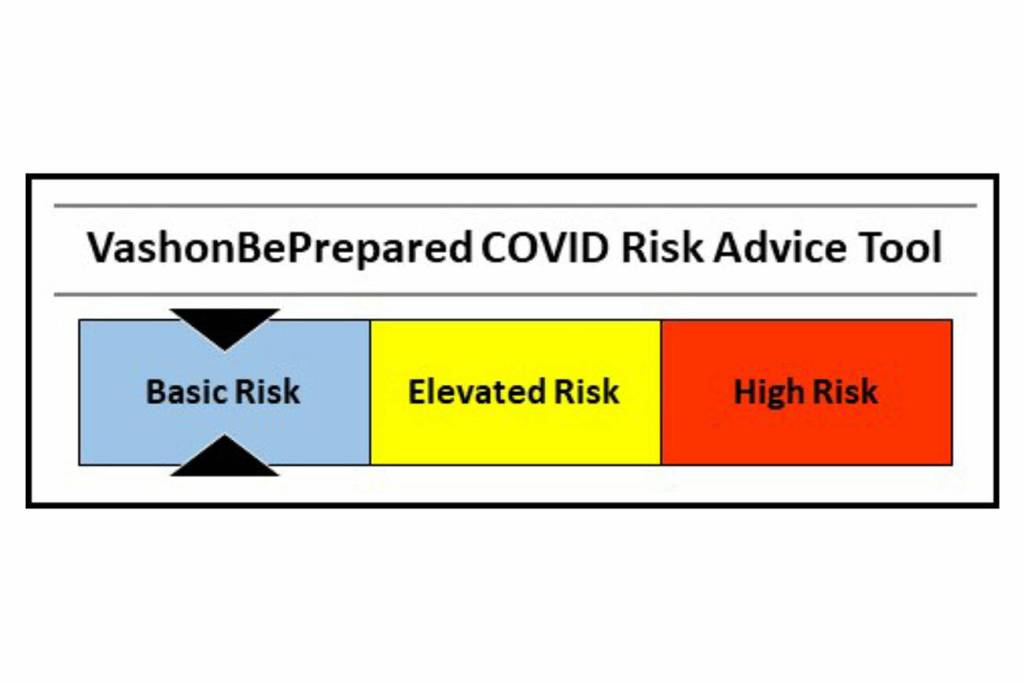
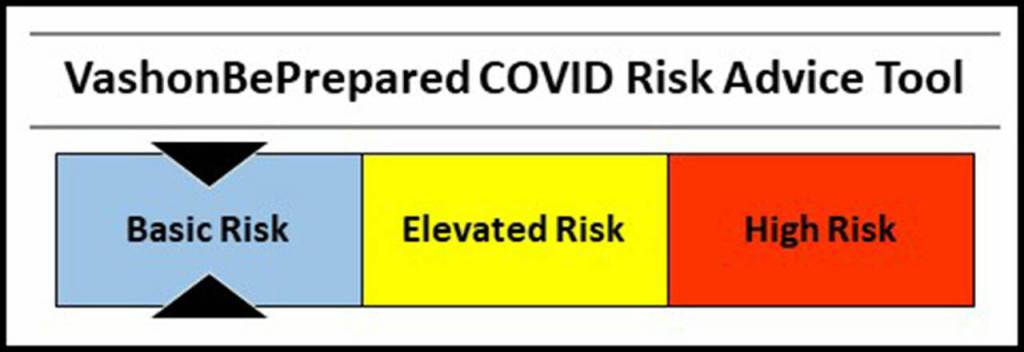
COVID Risk Level: Still at Basic
The tri-county hospitalization rate remains well below the 3.5 hospitalizations for COVID per week per 100,000 population benchmark that would trigger a move up to the Elevated Risk level. The case rate and test positivity rate have also been trending down.
Tri-County Methodology: The risk level estimate is based on data from the state Department of Health’s COVID dashboard.
The risk estimate has been customized to Vashon’s particular situation because it takes into account that Vashon is in a three-county COVID exposure pool — King, Pierce, and Kitsap. One-third of the island population takes a round-trip ferry ride to the mainland each day. Therefore, the metrics from the three counties are blended to take into account the island’s regional COVID exposure risk.
For more information on the methodology behind Vashon’s COVID Risk Advice Tool, go here.
Basic Risk Level Advice: Wear an N95 mask indoors in public if: You are exposed to COVID or at risk for health or other reasons, or if you live or spend time with someone at high risk.
Keep vaccinations up to date, including boosters.
Maintain good ventilation at home and at work.
Avoid those with suspected or confirmed COVID.
If exposed to COVID, wear a mask in public and avoid contact with those at high risk for 10 days.
Always home-test if you have symptoms.
If you test positive, isolate for at least 5 days and until you test negative.
If immunocompromised, discuss additional prevention actions with your healthcare provider.