Wastewater surveillance shows COVID levels rising sharply
Published 1:30 am Wednesday, December 21, 2022
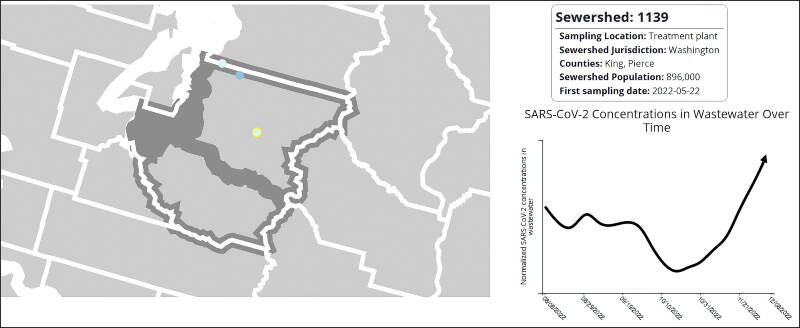

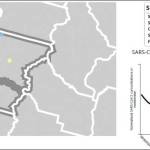
COVID virus levels have been rising sharply in test samples from King and Pierce County wastewater treatment plants.
Unfortunately, that means the winter surge continues and has not yet peaked. Wastewater surveillance acts as an indicator of the prevalence of COVID in a community, which in turn informs public health measures.
Wastewater surveillance is also a good predictor of what’s to come, such as an increase, or decrease, in future COVID hospitalizations and deaths. The current accelerating trend reinforces the reality of the long-predicted annual COVID surge during the winter holiday season of indoor gatherings and travel.
Wastewater testing fills a particular need.
Most individual COVID testing is now done at home and not regularly reported through public health channels. Wastewater testing can fill that gap by providing early warning information in place of the case-tracking VashonBePrepared had in the earlier days of the pandemic.
Local public health authorities conduct wastewater surveillance and report the test results to the National Wastewater Surveillance System operated by the Centers for Disease Control and Prevention (CDC).
However, the sewershed data does not include Vashon Island — so VashonBePrepared has been working with the Medical Reserve Corps to explore options for testing at Vashon’s main wastewater treatment facility.
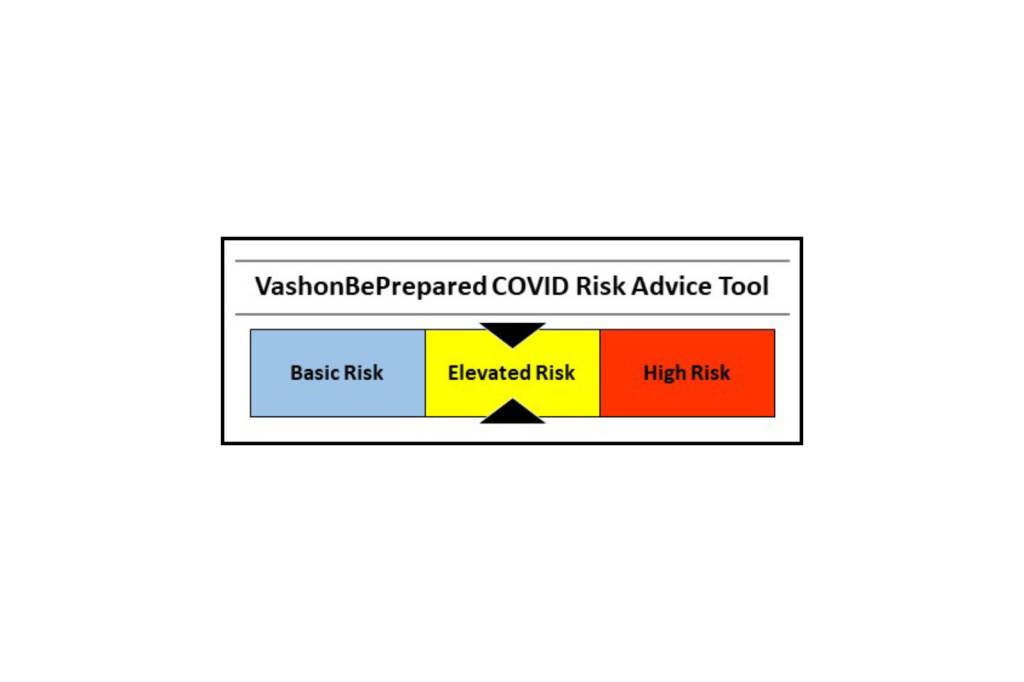
Current Risk Level: Elevated
The COVID hospitalization rate for our tri-county area (King, Pierce, Kitsap) remains at the Elevated Risk Level that it reached just after the holiday gathering and travel period began at Thanksgiving.
Although the primary tracking metric is the hospitalization rate, we also monitor the new case rate and test positivity rate. All three of those metrics synchronize closely with the COVID virus levels observed in King and Pierce county wastewater. Hospitalization, case, and test positivity rate data comes from the state Department of Health’s COVID dashboard.
The VashonBePrepared risk estimate takes into account that Vashon is in a three-county COVID exposure pool —King, Pierce, and Kitsap. Over 3,000 people take a round-trip ferry ride to or from the mainland each day. That’s equivalent to almost one-third of the island population. Therefore, the metrics from the three counties are blended to take into account the island’s regional COVID exposure risk.
At this Elevated Risk level, it’s smart for everyone to wear an N95 mask indoors in public. People who are unvaccinated, at high risk from COVID, or living with someone at high risk should avoid non-essential indoor public activities.
If you must be indoors in a public place, it’s extremely important to wear an N95 mask if you are unvaccinated, and/or at risk from COVID for health reasons, and/or you live or spend time with someone at risk from COVID, and/or you are regularly exposed to COVID risk in work or group settings such as retail, school, or commuting.
At this letter, it is advised to:
- Test at home before gathering with friends and family.
- Get the bivalent COVID vaccine if you have not already done so.
- Maintain good ventilation at home and at work.
- Avoid individuals with suspected or confirmed COVID.
- If exposed to COVID, wear a mask in public and avoid contact with those at high risk for 10 days.
- Always home-test if you have symptoms.
- If you test positive, isolate for at least 5 days until you test negative.
- If immunocompromised, discuss additional prevention actions with your healthcare provider.
Growing Consensus to Mask Indoors
The head of the CDC has joined public health experts around the country in recommending that everyone wear a high-quality mask in indoor public spaces to reduce community risk from the tripledemic — a term referring to three serious viral respiratory diseases — not only COVID but also respiratory syncytial virus (RSV) and seasonal influenza (flu).
“We encourage you to wear a high-quality, well-fitting mask to prevent the spread of respiratory illnesses,” urged CDC Director Rochelle Walensky.
In Washington, a total of 34 public health officers and healthcare leaders around the state — including King County — have recommended the same. So have public health officials in other jurisdictions around the country, including Los Angeles and New York City.
Safety Tip: Join, Revive or Create a NERO
VashonBePrepared’s Neighborhood Emergency Response Organization (NERO) program began years ago, and today more than 260 neighborhoods participate, covering about half the households on the island.
A NERO is an informal group of near-neighbors willing to connect in advance of challenges such as severe weather, earthquakes, or pandemics. Neighbors living within easy walking distance may decide to meet and get acquainted, so they know who lives in their neighborhood, what help neighbors may need after an adverse incident, and what assistance they may be able to provide.
It’s the essence of the VashonBePrepared motto: “Neighbors Helping Neighbors.”
One goal is simply to check on each other after an event, such as bad weather or an earthquake — a key benefit for folks who live alone or have mobility issues.
More advanced goals include providing neighbor-to-neighbor aid such as sharing food, water, and a warm room (for a neighbor who has lost electric heat) or giving first aid (by those with training).
Snow-shoveling and tree removal, fetching critical medicines, organizing a first aid class, or sharing a bulk buy of emergency supplies are some other ways neighbors have opted to help each other over the years. You and your neighbors can agree to meet at least once a year – summer block party, anyone? It’s this kind of household-to-household connection that builds a foundation for community resilience.
To find out if there’s already a group in your neighborhood, or to start organizing one, send an email to nero@vashonbeprepared.org.
Volunteers at VashonBePrepared will provide informative handouts you can share with your neighbors and can give a presentation to your group, via Zoom, currently, and in-person, outdoors, during the warmer months.