COVID funds to end, as Vashon adds another death
Published 1:30 am Wednesday, February 15, 2023

A seventh Vashon resident is now known to have died from COVID.
The last previously known Vashon fatality was reported last August by Public Health — Seattle & King County (PHSKC). In accordance with privacy laws and PHSKC policies, the names of patients are not released.
The news — a reminder of the dangers still caused by the virus — comes following an announcement, last week, that the twin federal emergency declarations for COVID will end on May 11.
That means most of the federal funding for COVID support that millions of Americans have relied on for the last three years, such as testing, vaccinations, treatment and other services, will be winding down.
How could this affect your household? The following information has been compiled from an array of public health and general media sources.
Keep in mind that government agencies have amassed large stocks of vaccines, tests, and related COVID supplies that may continue to be available after May 11. In addition, Congress may still act to provide funding for some elements of the COVID response beyond May 11.
Home tests
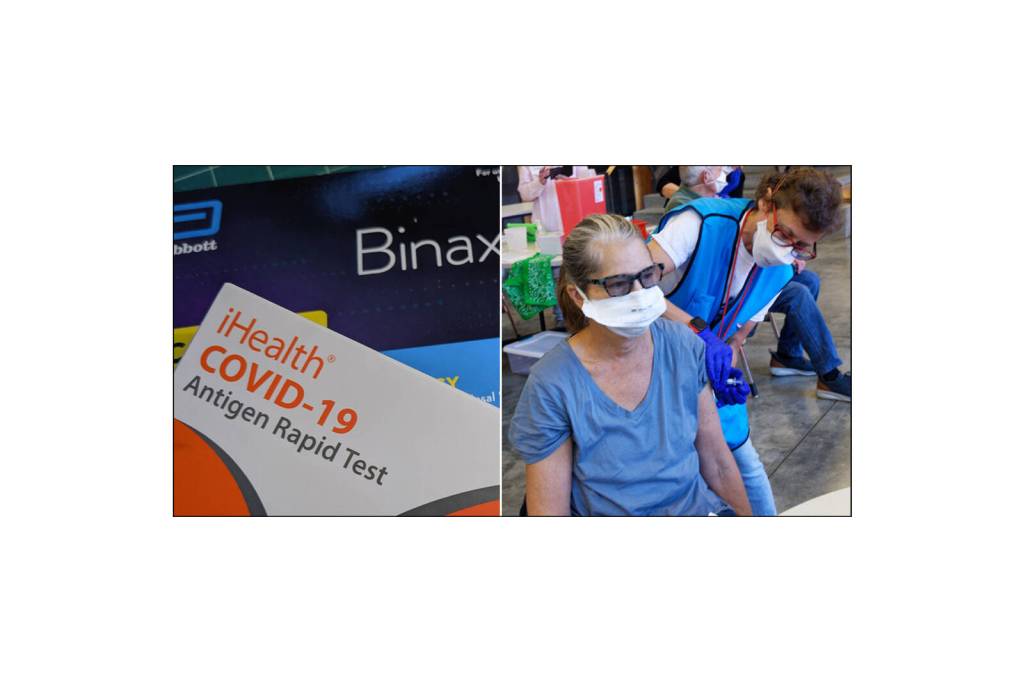
You or your insurance company may have to pay for home COVID tests that up to now have been available at no charge. Consider stocking up on free home tests while supplies last.
If you get tests at Vashon Pharmacy, the pharmacy will handle the insurance paperwork for you, or in some cases help out by providing the needed insurance form. In most cases, no out-of-pocket payment will be required.
Order up to 10 tests per household per month from the Washington State Department of Health (DOH) at sayyescovidhometest.org. Order up to four tests one time per household from the U.S. Health and Human Services (HHS) at www.covid.gov/tests.
Many health networks (e.g., Kaiser and others) offer online ordering of tests at no charge and will send each covered person up to eight tests per month, or your insurance may cover getting them in person at a pharmacy.
If you stock up, keep in mind that tests do expire. If the expiration date printed on the package has passed, check to see if it has been extended here.
Vaccinations
Unless you have insurance coverage for them, you might have to pay for COVID vaccinations. One manufacturer has suggested that a full-price vaccine could cost $130. So, if your COVID vaccinations are not up to date, including the latest bivalent booster, now is a good time to catch up.
Medicaid and Children’s Health Insurance Program (CHIP) patients will still receive COVID vaccinations free of charge. No-charge testing and treatment will currently continue for these patients until the third quarter of 2024.
Medicare patients will also have telehealth access through 2024, with federal funding continuing to cover the costs of remote medical consultations. For Vashon residents, this could save a ferry trip to get care. After May 11, there may be a new fee or co-pay structure for COVID testing and treatments for Medicare patients, depending on your insurance coverage.
After May 11, uninsured patients will have to pay to receive COVID vaccinations, testing, and treatments.
The current COVID vaccines and treatments, such as Paxlovid, will still be available.
Is the pandemic over?
Some people have been saying COVID is now endemic, and we can stop worrying about COVID and put away our masks.
We asked Dr. Zach Miller and Dr. Jim Bristow, Vashon Medical Reserve Corps (MRC) experts, to provide some insight.
Q: Does the end of the federal declarations mean the pandemic is over?
It’s important to understand the word endemic doesn’t mean the spread of COVID has ended. Just the opposite. Endemic actually means COVID is here to stay. It may help to understand this concept by thinking about malaria. It’s an endemic disease that kills more than 600,000 people each year. Every day, the public health and medical communities work to help prevent and treat malaria infections.
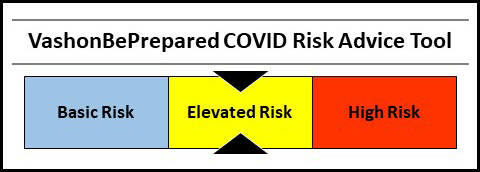
Thinking about COVID, we are seeing wave after wave of variants and each new variant is more contagious than the last. In the U.S. alone, about 500 people still die from COVID each day. On an annual basis, that’s triple the number of deaths during the worst flu season in the past decade. Hospitals are still being stressed by the number of COVID patients, which is why the VashonBePrepared Risk Level Tool has been at Elevated Risk since Thanksgiving.
Q: Why should people on Vashon be concerned about COVID now?
The median age on Vashon is 54 years — 20 years older than the population of the mainland. That matters because we know that older people bear the primary burden of severe illness and death from COVID. PSHKC data shows that 90% of local COVID deaths are people over 65. The same holds true for hospitalizations. It’s just a fact that we have more people at serious risk from COVID on Vashon. In addition, people of all ages are at risk of developing long COVID.
COVID vaccine mandate ends
King County and the City of Seattle will no longer require proof of COVID vaccination for employees. The change came in a joint announcement by King County Executive Dow Constantine and Seattle Mayor Bruce Harrell. They based the decision on guidance from PHSKC.
COVID Risk Level: Elevated
The VashonBePrepared COVID Risk Advice Tool remains at the yellow Elevated Risk level, based on the hospitalization rate in our three-county COVID risk assessment area. The risk level rating also takes into account the new case rate, the positive test rate, and COVID virus levels in wastewater tested by regional public health departments.
At this Elevated Risk level, it’s smart for everyone to wear an N95 mask indoors in public. People who are unvaccinated, at high risk from COVID, or living with someone at high risk should avoid non-essential indoor public activities.
If you must be indoors in a public place, it’s extremely important to wear an N95 mask if you are unvaccinated, and/or at risk from COVID for health reasons, and/or you live with someone at risk from COVID, and/or regularly exposed to COVID risk in work or group settings such as retail, school or commuting.
It is also recommended to test at home before gathering with friends and family; to get the bivalent COVID vaccine if you have not already done so; maintain good ventilation at home and at work, and avoid individuals with suspected or confirmed COVID.
If you are exposed to COVID, wear a mask in public and avoid contact with those at risk for 10 days. Always home-test if you have symptoms.
If you test positive, isolate for at least five full days after the onset of COVID symptoms (or positive test if asymptomatic); remain isolated until you test negative; and avoid those at risk and wear a mask when indoors around others for 10 full days after the onset of COVID symptoms or a positive test, even if testing negative after five days.
If you are immunocompromised, discuss additional prevention actions with your healthcare provider.