VashonBePrepared Update Edition: The state of COVID today
Published 1:30 am Wednesday, April 26, 2023


Where do we stand? Is it over? Could we get hit again with a COVID surge?
Let’s start this State of COVID update edition by hearing from Dr. Zach Miller. He’s an infectious disease specialist and one of the Vashon Medical Reserve Corps (MRC) experts who have helped Vashon navigate this public health emergency.
“We are far better off than we were in March of 2020 or during the terrible Omicron spike just last year. That’s good, but COVID has not gone away and it’s still killing people, especially older people,” said Miller.
“In fact, here on Vashon, three people have died from COVID in just the last few months. But everyone is so tired of the pandemic that many people have stopped taking precautions such as masking. That worries us a lot because, over the last month, local COVID hospitalizations have been inching up. MRC recommends those at risk keep practicing vigilance and caution so we can keep each other safe, especially in crowds, even during the coming summer months.”
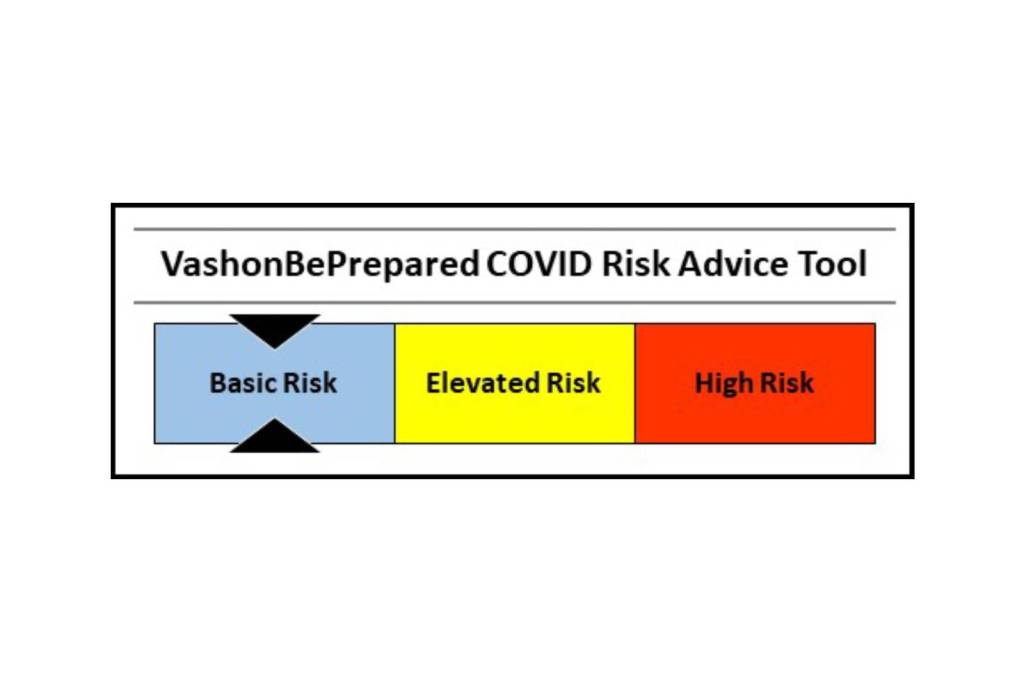
Current COVID advice: Still at Basic Risk but a concerning trend
As Dr. Miller suggests, COVID hospitalizations have been inching up in our three-county monitoring area. Although COVID risk remains at Basic Level, there’s a possibility we will move up to the Elevated Risk level if the trend continues.
Wear an N95 mask indoors in public if you have been exposed to COVID, or are at risk for health or other reasons, or you live with or spend time with someone at high risk. Keep vaccinations up to date, including boosters, and maintain good ventilation at home and at work.
Avoid those with suspected or confirmed COVID. If exposed to COVID, wear a mask in public and avoid contact with those at high risk for 10 days. Always home-test if you have symptoms.
If you test positive, isolate for at least 5 days and until you test negative. If immunocompromised, discuss additional prevention actions with your healthcare provider.
The tools we have: common sense, testing, Paxlovid, vaccination
Evidence shows that our community has done a good job during COVID. Over the past three years, Vashon’s COVID infection rate has been less than one-third that of King County as a whole. How have we done it?
- Common Sense: Vashonites have displayed lots of common sense. Presented with facts about risk, Vashon responded by following basic public health principles to avoid the spread of COVID. Up until fairly recently, for example, masking was common when people gathered. If you have risk factors for severe disease, or are going to spend time around those who do, masking still works and is a simple way to protect yourself and others.
- Testing: Home testing is convenient and widely available. That makes it possible for us to know when we are sick so we can stay home to avoid spreading COVID to others, especially to older family and friends. Be sure to search online for “FDA” and the lot number on the test box to check for extended test expiration dates.
- Paxlovid: The Paxlovid treatment has been shown by multiple studies to shorten the length of a COVID infection and its severity. Like testing, Paxlovid is easy to obtain. It is recommended for those over 60, or younger people with risk factors, regardless of vaccination status. It is most effective when started early, so don’t wait for symptoms to worsen!
- Vaccination & Immunity: Our community has rallied and achieved one of the highest rates of COVID vaccination in King County, far above the national average. It continues to be important to keep vaccinations up to date, including the latest bivalent booster which is now being authorized for those age 65 and older and those with weakened immune systems. It helps that many people have had COVID by now so there’s some general level of natural immunity in our population to go along with vaccination.
- Take Note: Protection against COVID conferred by vaccination and infection isn’t like protection against polio or measles where vaccination keeps people from getting the disease. COVID immunity wanes over time. But, our COVID immunity does provide strong protection against serious disease, especially among older people. If you haven’t been vaccinated or boosted yet, now’s a good time to get caught up.
FDA approves second updated booster for those at risk
The Food and Drug Administration (FDA) has cleared the way for people at least 65 years old or those who are immune-compromised to receive a second updated booster shot. The Omicron-targeting bivalent vaccine will be available as soon as some additional procedural steps have been completed.
That will happen quickly and might be in place by the time you read this.
Vashon Pharmacy’s website says appointments for a second updated booster are expected to open on April 24. Most people must wait four months from their last bivalent booster shot or last infection before getting the newly authorized second booster.
How worried should we be about the Arcturus strain?
The new Arcturus strain of COVID (XBB.1.16) has quickly reached the United States after causing a significant surge in cases in India and being detected in more than 20 other countries according to the World Health Organization (WHO).
The weekly Nowcast report published by the Centers for Disease Control and Prevention (CDC) estimates the Arcturus strain (XBB.1.16) now makes up 7% of COVID cases in the United States. That’s far behind the dominant Kraken strain (XBB.1.5) which currently causes about 75% of U.S. COVID cases.
However, Arcturus is the most infectious strain yet and it has been spreading very quickly. Arcturus will likely become the new dominant strain in the U.S.
So far, scientists believe Arcturus does not cause more severe disease than previous strains. It does, however, bring a new COVID symptom that primarily affects children. Kids who contract Arcturus are commonly getting conjunctivitis or “pink eye.”
COVID remains a major killer in the U.S.
The number of people dying from COVID has dropped by 80% since the severe Omicron peak in January 2022. One of the federal emergency declarations for the pandemic has been ended by Congress and President Biden, and the remaining public health emergency declaration will expire on May 11.
However, only heart disease and cancer kill more people than COVID in the United States according to CDC statistics. COVID kills twice as many people as accidents, and four times as many people as Alzheimer’s disease.
The CDC says nearly 1,800 people died from COVID in one week earlier this month in the U.S., an average of more than 250 people a day. On Vashon, as Dr. Miller mentioned, three people died from COVID during February and March.