Summer COVID wave: understanding risks and staying healthy
Published 1:30 am Thursday, August 17, 2023


If experts have it right, more than one in ten of us will get infected during the summer COVID wave that began rising about a month ago.
Some islanders have been asking questions — and here are answers, sourced from advice compiled from Vashon Medical Reserve Corps physicians, and an array of published public health information sources.
Where do I report my positive test?
Basically, you don’t. The COVID tracking and reporting systems were demobilized when the federal public health emergency declaration ended in May.
In any case, most people were not reporting their home test results to public health agencies, and, these days, many people don’t even bother to test.
That’s too bad — because home testing helps you know when to isolate to prevent the spread of COVID in our community.
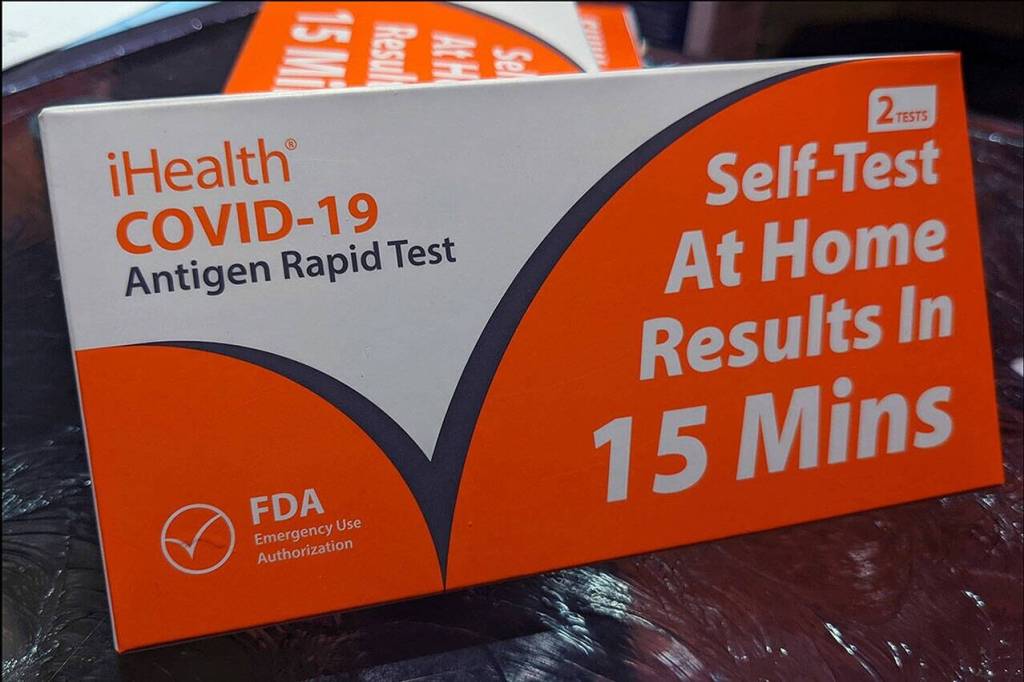
Can I still get free home test kits?
The end of the emergency declaration means the end of getting free tests shipped to you directly from state or federal agencies. Instead, the COVID pandemic response has been switched to our normal healthcare systems, treated like any other illness. So, the answer to this question depends on your health insurance situation.
Medicaid — Tests are covered until September 2024.
Private Insurance — Coverage varies quite a bit. Check with your provider.
Flexible Spending or Health Savings Account (FSA or HSA) — You can purchase tests with these funds.
Uninsured — For those who don’t have insurance, some stockpiles remain from the government-purchased tests. To access them, use the tool provided by the Centers for Disease Prevention and Control (CDC).
In many cases, a pharmacy or other provider will handle the insurance reimbursement for home tests with no extra paperwork required by you. Vashon Pharmacy offers this support in most cases.
Is my home test kit still good?
The home test kits do expire. The date on the box may have been extended, so check the online registry to find out your kit’s current expiry date.
Keep in mind that the tests can go bad if subjected to excessive heat or cold. If your kit has been in the car for weeks of summer heat, get a new one.
Is my home test result accurate?
If the result is positive, you’ve got COVID. False positives happen but are quite rare.
However, the home test kits can provide false negatives, especially in the early days of infection as the viral load is building.
Do repeat testing, especially if you have symptoms. More than 90% of symptomatic cases will be detected by two tests taken 48 hours apart. Home tests are less sensitive in asymptomatic individuals, so it is recommended to do three tests 48 hours apart if you believe you may have COVID but are not showing symptoms.
You can also improve accuracy by swabbing the throat and mouth for saliva.
What should I do if I get a positive result?
The short answer: Isolate. This advice has not changed since the first day of the pandemic — isolate so you won’t spread the disease to family, friends, and community members.
You should isolate for at least five days, and 10 days is a good policy. Stay in isolation until you get a negative test result. Count days from the first day of symptoms, not the first day of a positive test.
If you are 65 or older, are immunocompromised, or have underlying illnesses such as diabetes, hypertension or obesity that put you at risk for severe illness, talk to your provider about getting Paxlovid. You must start Paxlovid within five days of your first symptoms, so don’t wait to talk to your doctor.
Should I wear a mask?
Follow the advice in the VashonBePrepared Risk Advice Tool section of this article. Boiling it down, masks work very well to help prevent the spread of COVID.
How worried should I be about this summer wave?
As indicated above, experts believe many will get COVID, perhaps 10% to 15% of the population nationally. However, 2023 looks quite different from 2020. We have an immunity wall in our population now because so many of us are vaccinated or have had COVID or both. That will help reduce the severity of infections and potentially even prevent infections, barring some unexpected mutation of the virus.
Plus, we have medicines to treat COVID that did not exist in the beginning. Paxlovid is widely available, as described above, but other treatments have also been developed, so check with your doctor if you have risk factors.
Isn’t the pandemic over? Why this summer COVID wave?
Although the public health emergency has ended, COVID is still with us. In fact, this is the fourth summer in a row when we’ve had a rise in infections. Summer travel is a huge factor because even one case at a family gathering can turn into many cases. Also, the extreme heat and wildfire smoke in parts of the country have driven people inside where they are close together in recirculating air that helps spread infections.
It doesn’t help that the virus continues to mutate to potentially escape our built-up immunity. The CDC currently monitors over a dozen Omicron-descendant variants.
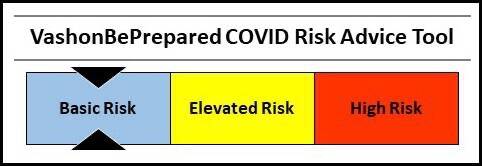
Vashon Risk Level: Holding at Basic
Fortunately, as mentioned above, there has not yet been a big uptick in Vashon COVID statistics. Although the indicators have been rising, they haven’t crossed the threshold where we would move to Elevated Risk Level.
The VashonBePrepared COVID Risk Advice Tool aggregates data in our exposure area. That includes King, Pierce, and Kitsap counties since the island has ferry routes that generate thousands of roundtrips daily to those mainland areas.
The primary metric evaluated by the Vashon Medical Reserve Corps is the COVID hospitalization rate since that is very reliably reported by public health agencies, unlike the poorly reported home health tests.
Wear an N95 mask indoors in public if you have been exposed to COVID, are at risk for health or other reasons, or live or spend time with someone at high risk.
If you haven’t yet had a bivalent booster or you are over 65 and it’s been at least four months since your last booster, you’re eligible now. Maintain good ventilation at home and at work.
Avoid those with suspected or confirmed COVID. If exposed to COVID, wear a mask in public and avoid contact with those at high risk for 10 days.
Always home-test if you have symptoms.
If you test positive, isolate for at least five days and until you test negative. Also check in right away with your doctor about treatment, even if your symptoms are initially mild.
If you are immunocompromised, discuss additional prevention actions with your healthcare provider.