VashonBePrepared: Food safety during emergencies
Published 1:30 am Wednesday, August 14, 2024


This week, we’re offering tips on how to keep your emergency food stash safe, wholesome, and tasty — even during a disaster.
Hopefully, you have already acted on last week’s recommendation to start building a three-week supply of emergency food, water, and other basics. We’ve included some online references at the end of this article to help you get three weeks ready.
Storm on the Way
When forecasters predict severe weather, make good use of the day or two of advance warning before the storm arrives.
• Inspect your non-perishable food stash to make sure it’s in good shape. Did the food get wet, or has it passed its expiration date? Look for rodent or bug damage. Toss any swollen, dented, or corroded cans.
• Check your freezer and refrigerator temperature. Your freezer should be at or below 0 degrees Fahrenheit and your refrigerator at or below 40 degrees. You can use your kitchen instant-read thermometer for this task.
• Utilize the time before a storm arrives to make ice cubes and freeze gel packs or bottles of water. Keep them in the freezer to help keep things cold if the power fails. You can also move some of them to the refrigerator or a cooler during an extended power outage.
• Get out your coolers, ready to keep things at food-safe temperatures using ice or gel packs. Inexpensive foam coolers do a pretty good job of keeping things cold.
• Freeze refrigerated items such as leftovers, milk, and fresh meat and poultry that you may not need immediately. This helps keep them at a safe temperature longer, a precaution you can take before the storm blows in.
• Do not store perishable food outdoors in the snow. Even on a cold winter day, outside temperatures can rise above freezing. Food stored outdoors in the open can be exposed to unsanitary conditions and animals.
• Do use freezing weather to make ice. Fill buckets, empty milk containers, or cans with water, and leave them outside to freeze. Then use that homemade ice in your refrigerator, freezer, or cooler.
When the power goes out
During an emergency, you’ll want to take steps to guard against food spoilage. Bacteria grow rapidly in food at temperatures between 40 and 140 degrees. You could get very sick by eating spoiled food, so that’s a particular danger when a power outage might keep your refrigerator or freezer from doing its job.
• Keep the refrigerator and freezer doors closed as much as possible. Tell your little ones: “No peeking, no snacking.”
• As a rough guideline, refrigerators will keep food cold without power for about four hours if you keep the door shut. A full freezer will keep food frozen for about 48 hours if you keep the door closed, and about 24 hours if the freezer is only half full.
• The last thing you need during an emergency is food poisoning. If it looks odd or smells off, don’t take a chance. When in doubt, throw it out.
• Discard perishable food such as meat, poultry, fish, eggs, or leftovers that have been above 40 degrees for two hours or more. (See above the note about checking temperatures in the freezer and refrigerator.)
• Your stove may not work when the power is out. Plan ahead for alternative cooking methods such as an outdoor gas or charcoal barbecue. Don’t bring a charcoal grill or camp stove into the house, because they can produce deadly carbon monoxide gas.
Long haul food storage
If you’ve done the work to build up a three-week emergency food cache — congratulations! However, nothing is forever. You’ll need to maintain your emergency food investment over the long haul.
• Store cans of food on shelves, up off the ground, in a cool, dry place, to avoid corrosion.
• You don’t want to open your cache in an emergency and discover it has been invaded by insects or rodents. Store soft-packaged food in a metal air- and water-tight container. Consider a new, clean steel trash can. Rats and mice can chew into plastic bins.
• Store food away from heat sources such as stoves, hot water heaters, furnaces, dryers, or refrigerator backs. Heat causes many foods to spoil more quickly.
• Store food away from petroleum products, such as gasoline, oil, paints, solvents, and other toxic chemicals.
• Rotate your food. Mark your calendar to check on your food and medicine supplies twice a year. Rotate older items out for daily consumption and replace them with fresher food from the store or your pantry.
• Use and replace food before its expiration date. Check the expiration dates on canned foods and dry mixes. Home-canned food should usually be thrown out after a year.
How long will it keep?
Ever wonder how long you could keep that cottage cheese? What about the Italian sausage or frozen shrimp?
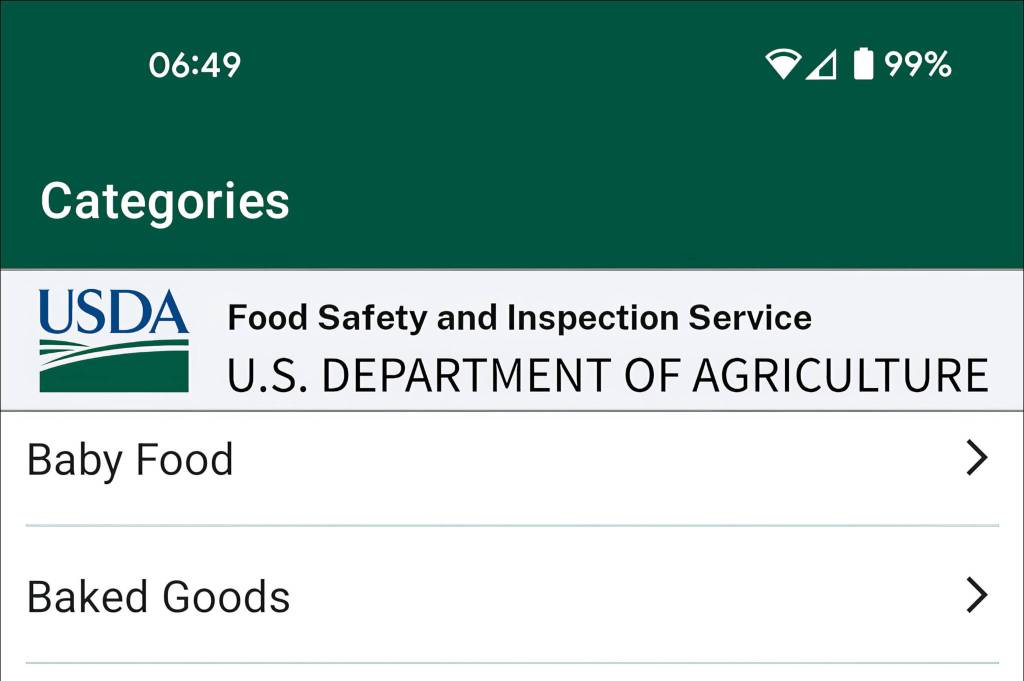
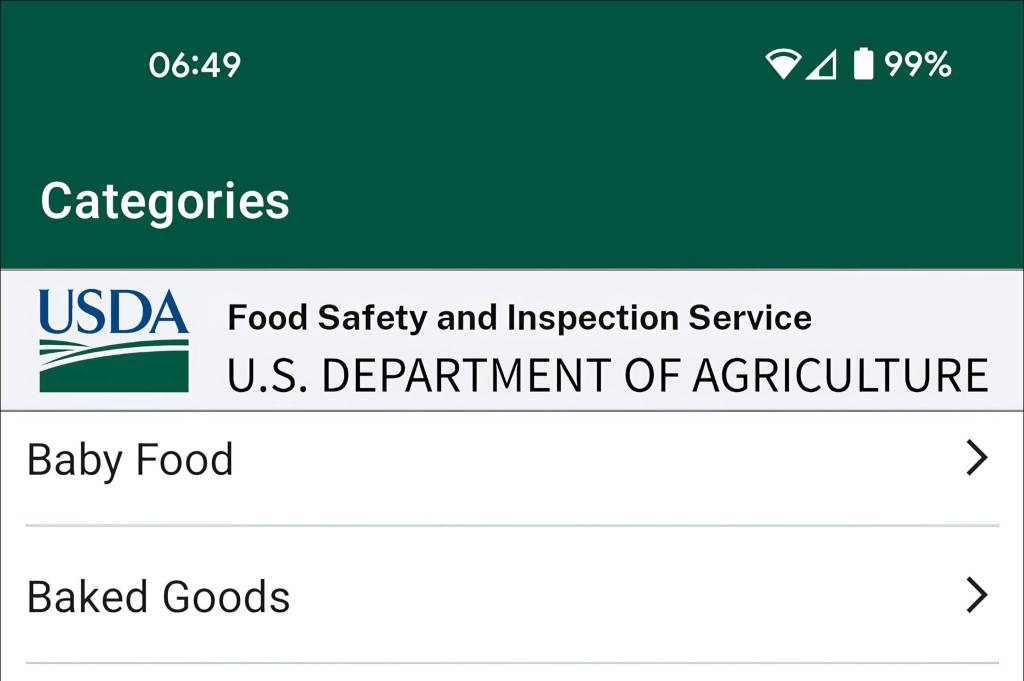
There’s an app for that. It’s called FoodKeeper, produced by the U.S. Department of Agriculture (USDA) and Cornell University.
Review: Three weeks of food
Last week, in part one of this Prepare in a Year series on food, we recommended that you store three weeks of food for your household in case of a big emergency. Ideally, it will mostly be non-perishable, shelf-stable food.
An emergency food stash really matters on our ferry-dependent island, because it could be quite a while before help arrives from the mainland in the aftermath of a major regional emergency, such as an earthquake. Also, bad weather — snow, ice, wind, and rain — could take down trees and block roads, making it hard for you to get to a store for food shopping.
In short, you may need to shelter at home for a while. So, in case you missed it, check out last week’s issue on how to achieve your three-weeks-ready goal: https://conta.cc/3LVjhQp
These sources also provide excellent household preparedness tips: