Jay Becker, former Beachcomber owner-editor, dies at 92
Published 1:30 am Tuesday, March 24, 2026
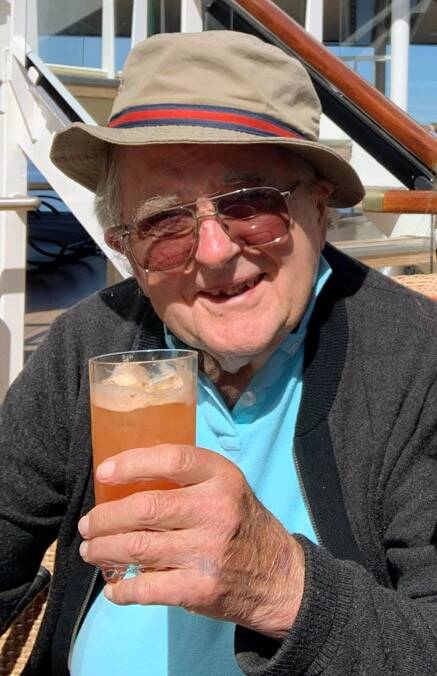
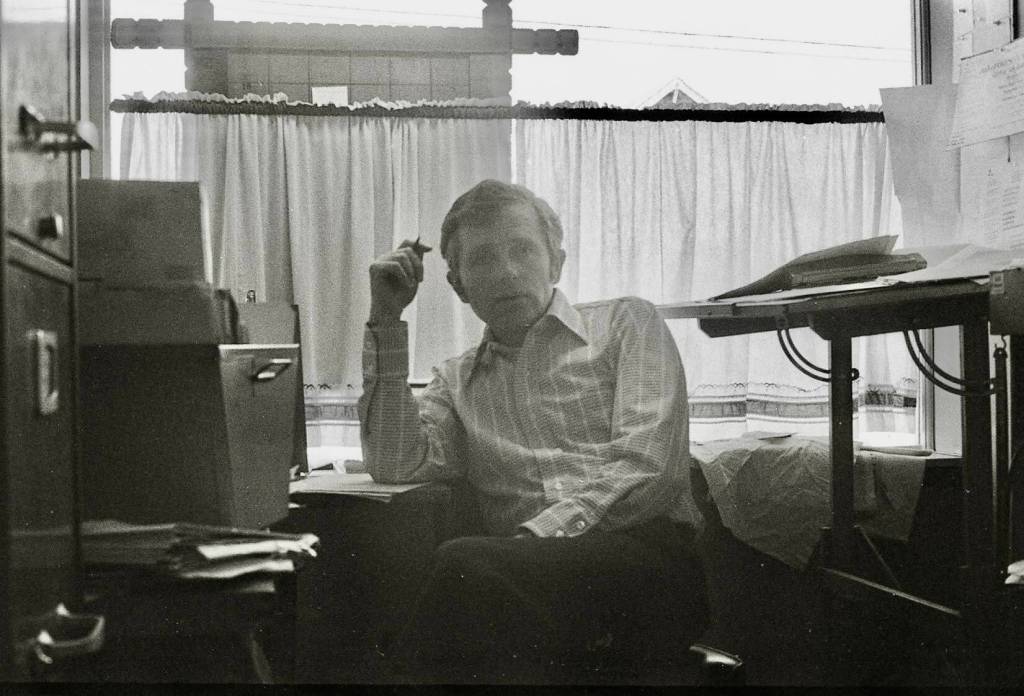
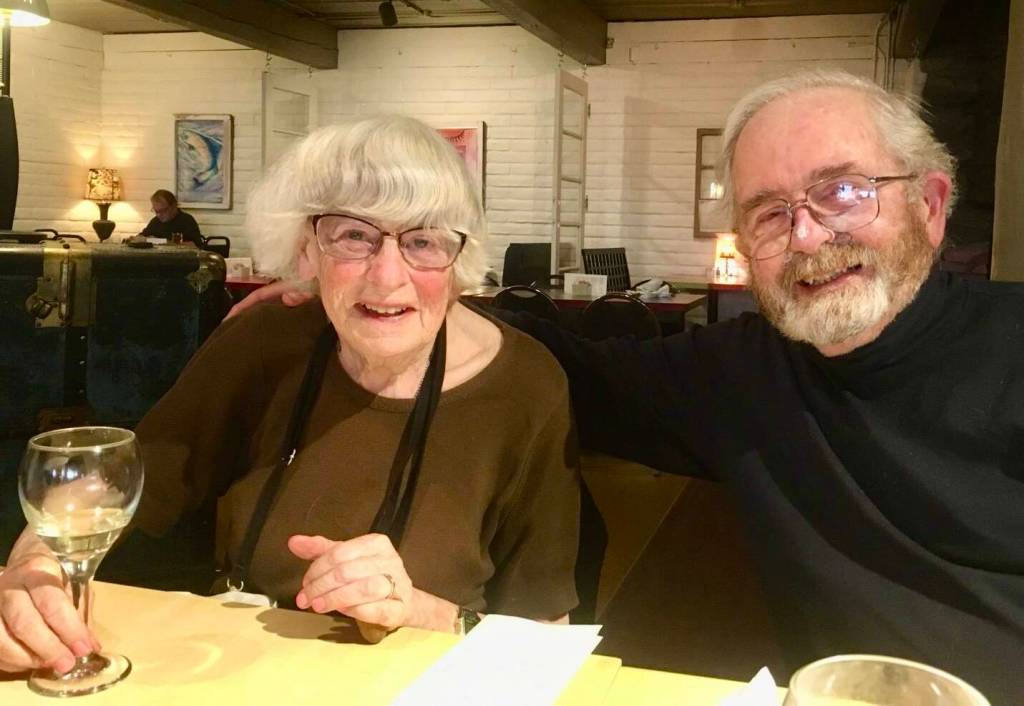
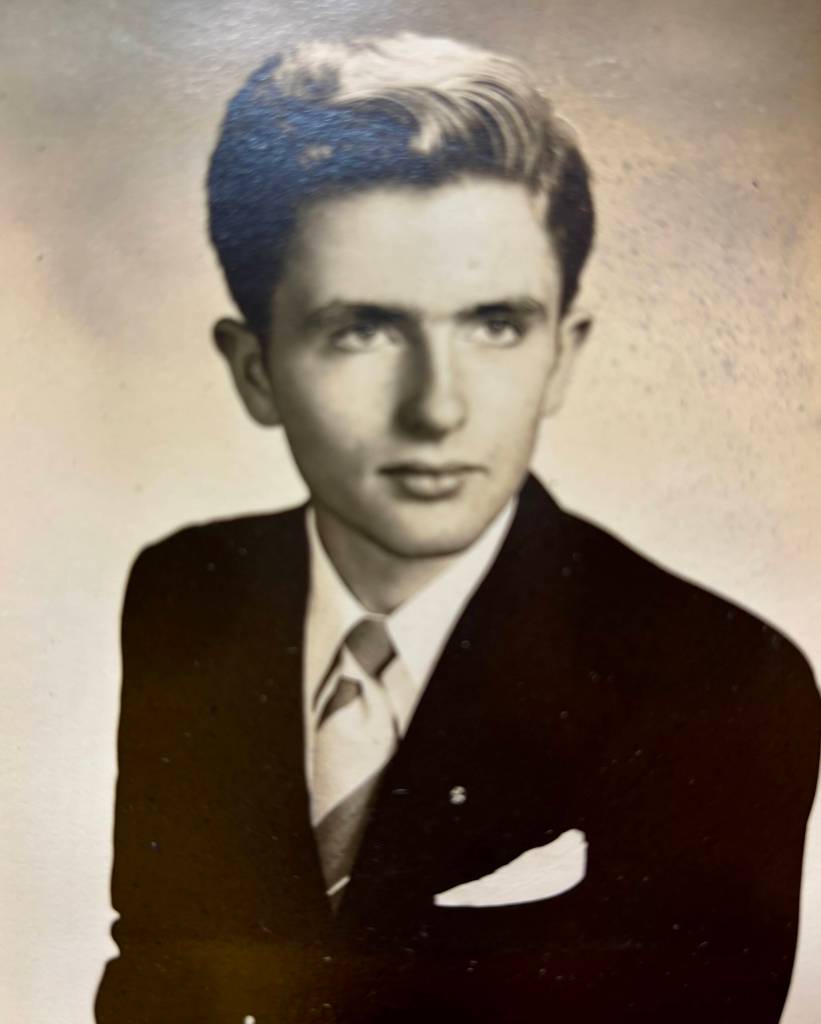
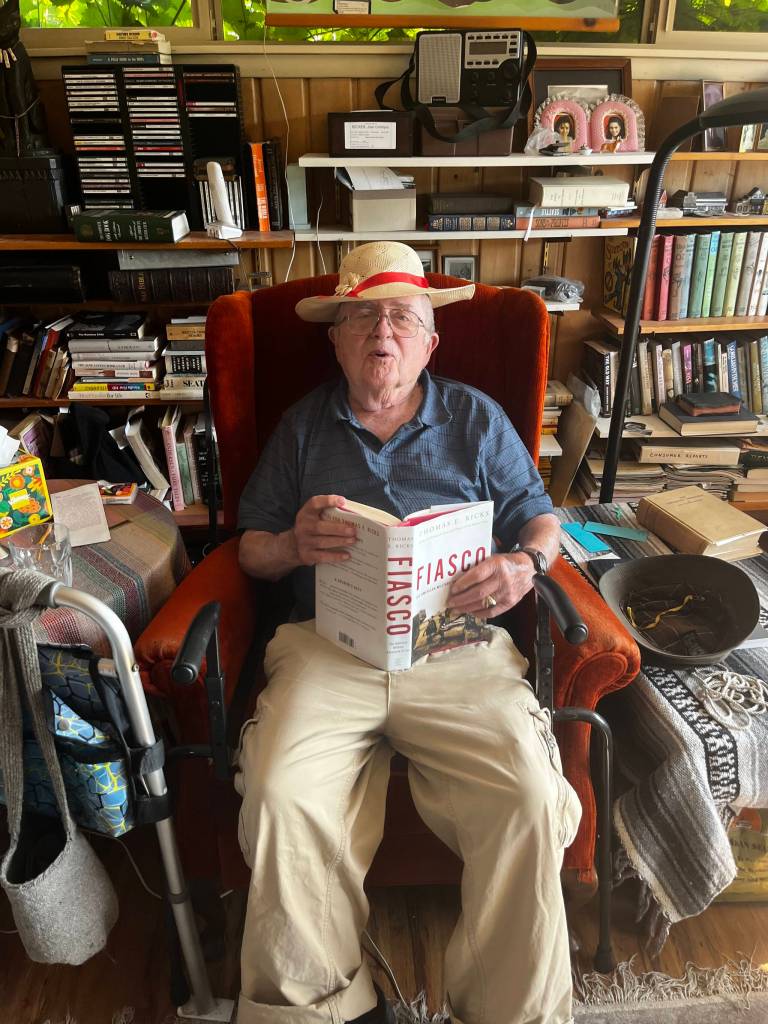
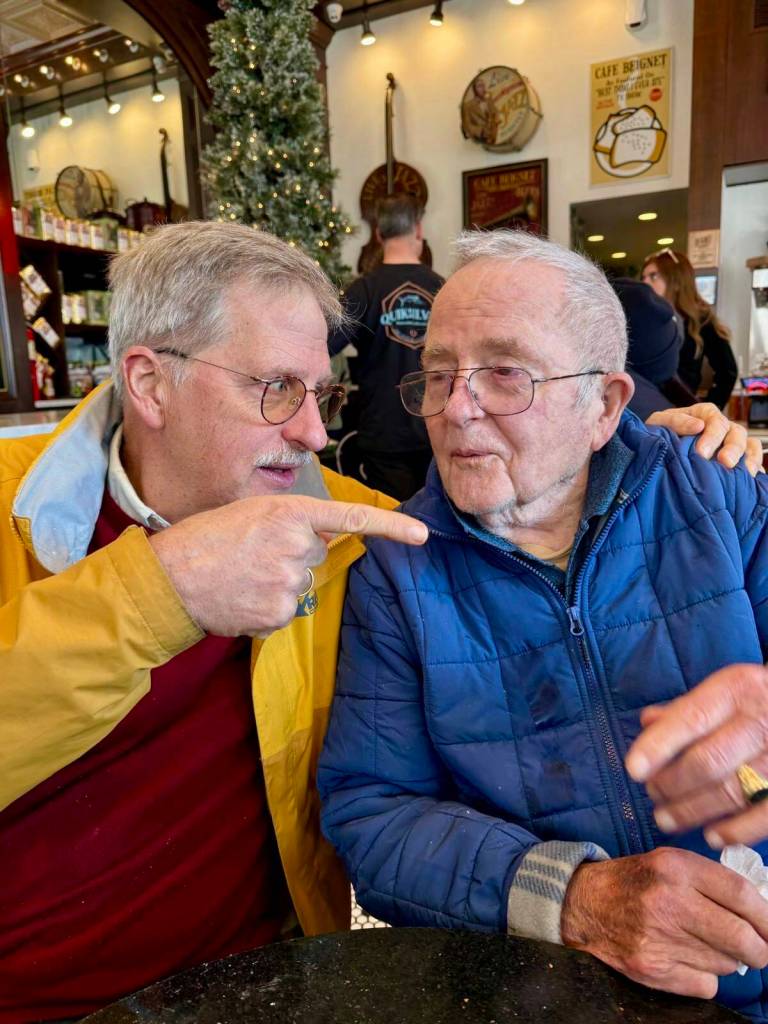
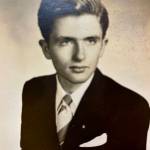

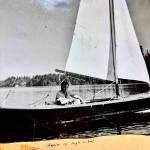
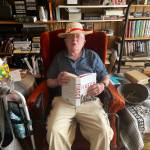
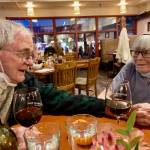
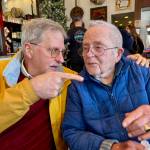
Jay Becker, the longtime owner, editor, reporter and photographer of the Vashon-Maury Island Beachcomber, died Jan. 25 at his home in Burton after a stroke. He was 92.
For years, if something happened on Vashon, Jay was probably already there — seeing it, photographing it and writing it down for the paper.
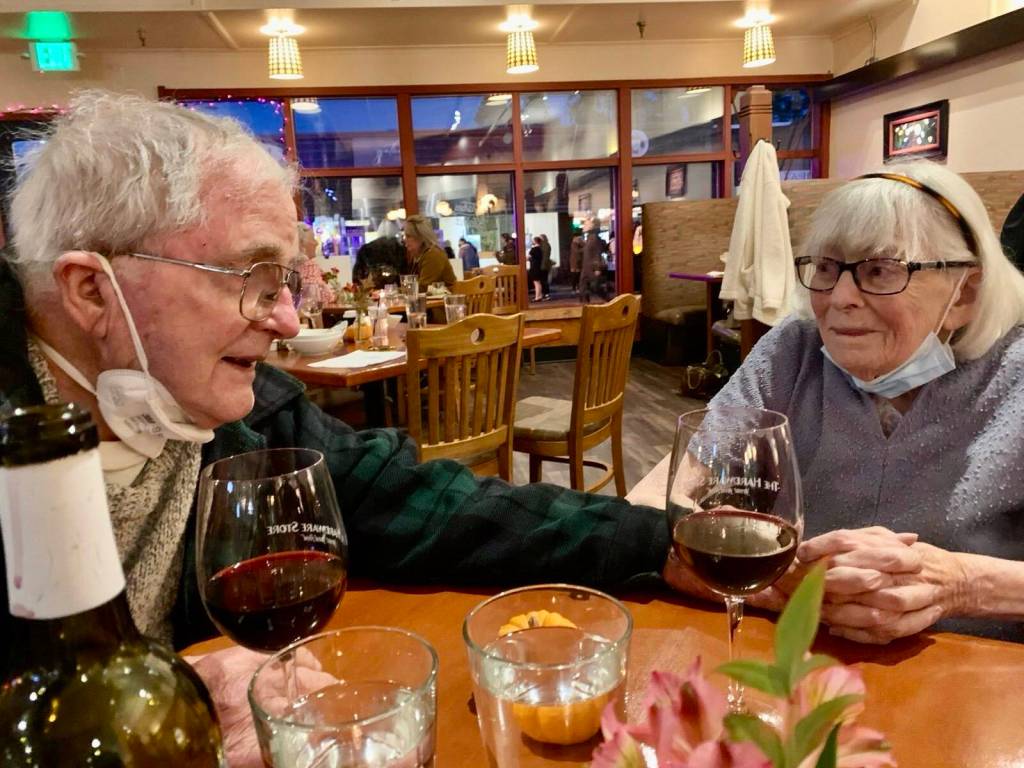
For nearly 20 years, Jay and his wife, Joan, ran The Beachcomber as the kind of newspaper that now feels endangered: intimate, handmade, indispensable and deeply woven into the place it served. He chased stories, took pictures and shaped the weekly report. She edited copy, ran the business side and kept the whole improbable operation upright. Together, they helped give Vashon a durable sense of itself.
“He left so much out that was probably even more significant,” his son David Becker said, reflecting on a self-written obituary his father drafted years ago. “He talked a lot more about his youth … But he doesn’t talk very much about the work that he was doing at The Beachcomber.”
He was a newspaperman with little interest in self-glorification — more taken with the work than with the legend of the work, David said.
Even in writing about his own life, he seemed less compelled by accomplishment than by curiosity: where he had gone, what he had tried, what he had learned. In his own draft obituary, he described himself as someone who liked to “try new things.”
He said he chose journalism because it would allow him to “continue learning new things all the time and get paid for it,” David said.
That appetite for discovery animated nearly every chapter of his life.
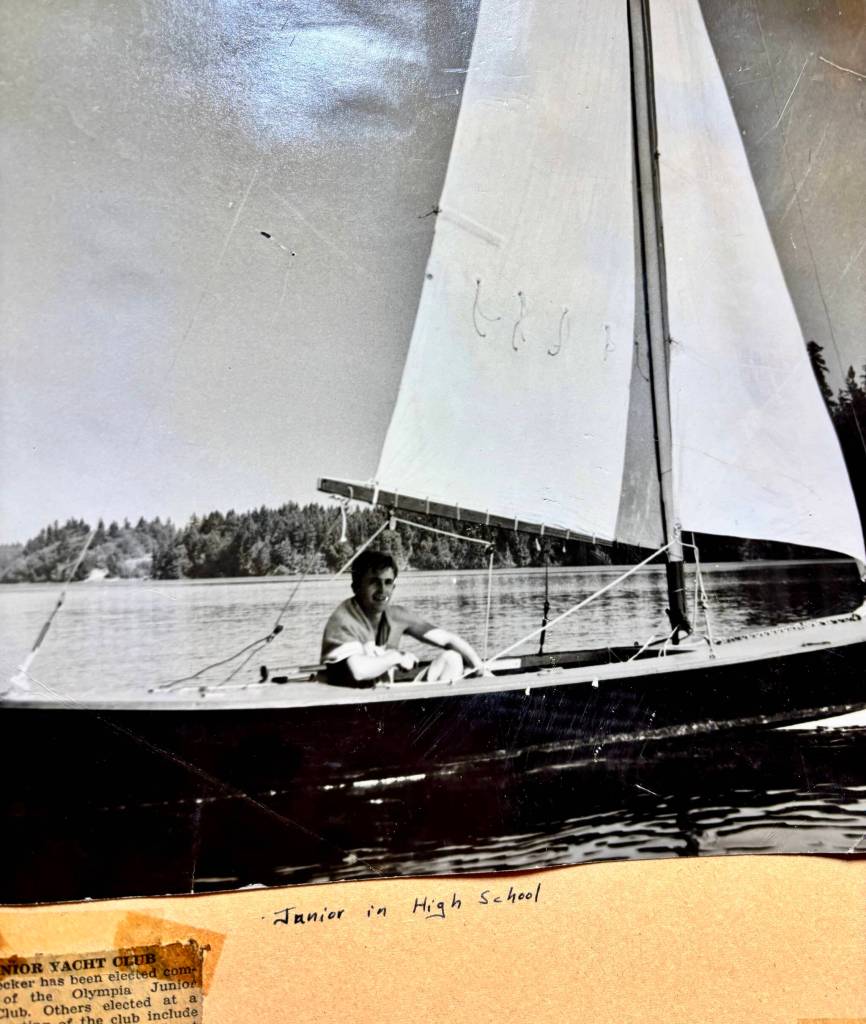
Born Feb. 16, 1933, in Seattle, Jay grew up with an inquisitive streak and a practical bent. At Olympia High School when he was a student, he successfully pushed for students with strong grades to be excused from final senior exams after learning the tests had no effect on graduation.
He also helped found a junior yacht club so young people had a place to keep their boats — an early sign that Jay liked institutions, but liked improving them even more.
At Stanford University, he studied journalism and worked as a photographer for the student daily paper. There, according to his own notes, he developed a lifelong belief that an informed citizenry could govern itself. He wrote that his ambition was to one day edit a small publication in a “small coherent community.”
It was an exact prophecy of the life he would later build.
At Stanford, too, he met Joan Cortelyou, who would become his wife, business partner and the other essential force behind The Beachcomber.
The two eloped in 1955, the same month Jay was drafted into the Army during the Korean War. Stationed at Fort Riley, Kansas, he founded a military publication that, David said, was still in operation 42 years later. In many ways, both their marriage and their life in journalism began there.
After military service, the couple returned to Washington, where Jay worked as a reporter and photographer for the Ellensburg Daily Record.
His self-written obituary credits that reporting with helping spur the creation of a port district, nudging the state to better protect petrified wood from theft and covering the slide that closed Snoqualmie Pass for months. He later worked at the North Kitsap Herald and the Eastside Journal in Kirkland. For a time, he moved into public relations and business journalism, founding what began as a Seattle Chamber of Commerce newsletter and grew into Seattle Business, then working for Weyerhaeuser in community relations.
But the dream that stayed with him was smaller, more local and more tactile.
“He was always interested in weekly papers more than dailies,” David said.
In 1975, Jay and Joan bought The Beachcomber, which David said was then financially struggling and in danger of disappearing.
One of Jay’s first crucial moves, David recalled, was convincing Norm Matthews of Thriftway to continue advertising every week — the kind of unglamorous but essential act that can make the difference between a newspaper folding and surviving.
Under the Beckers, The Beachcomber became so embedded in island life that, at one point, David said, the paper had effectively reached almost every household on Vashon. Copies were delivered to homes, but also sold to commuters waiting in the ferry line — often the same readers who already had a copy coming, but did not want to wait to see the week’s news.
Bruce Haulman, island historian who interviewed Jay in 2025 for the Vashon Heritage Museum, said what stood out most was how wholly the paper was a family-run enterprise.
“I think the thing that stood out the most to me when talking with Jay was just how much of a small town, family run business the Beachcomber was for Jay and Joan,” Haulman said. “Jay was the reporter/photographer editor and Joan was the business manager, proofreader, and majordomo who kept it all together.”
If Jay loved newspapers, it was not merely because he loved news. It was because he believed newspapers could strengthen the places they covered.
His son remembered that philosophy clearly. If something happened on Vashon, it belonged in the paper. If it happened elsewhere, it needed a meaningful connection to the island. And although Jay covered tragedy and conflict, he did not believe a community should be defined by its worst moments.
David recalled stretches when his father was often the only person attending Vashon Community Council meetings besides the council members themselves. Still, Jay went. Still, the story appeared in the paper the next week.
“That was his thing — encouraging the community,” David said.
He was not merely observing civic life from a distance. David said he helped set up the Vashon Community Council, served as president of the Kiwanis club and was involved in numerous other organizations.
After about 20 years at The Beachcomber, Jay decided it was time, David said, to “see the world.” The paper was sold to Sound Publishing in 1996.
Retirement, though, did not bring stillness. The Beckers spent the next decade traveling widely in a small RV, winding through every U.S. state, every Canadian province and much of Mexico, favoring back roads, wilderness and quirky small towns over big cities. Along the way, David said, they visited roughly 300 small towns.
“They made a point of not going to big cities,” David said. “They weren’t interested in that. They wanted to see how real people lived.”
That instinct seemed to follow Jay through every chapter of his life.
“He couldn’t drive through a small town without stopping to pick up the local newspaper,” David said.
In retirement, Jay also consulted with struggling small newspapers and founded the Small Town Institute, an organization devoted to encouraging the survival of small towns.
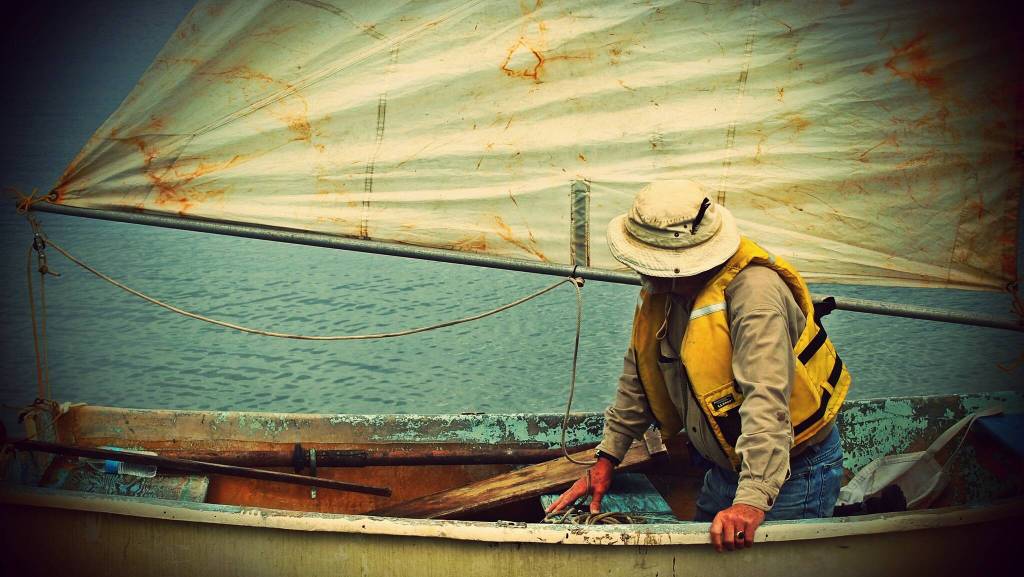
Outside the newsroom, he remained a sailor at heart. He had been on the water since he was 13 or 14, when his family lived on Hood Canal. In the last decade of his life, David said, Jay spent his time building wooden rowboats and sailboats by traditional methods, continuing nearly to age 90.
What Jay leaves behind is larger than a career, and even larger than the many stories he wrote.
He leaves the image of a certain kind of newspaperman now harder to find: one who believed a local paper was not just a business or a bundle of headlines, but a civic inheritance; one who understood that showing up mattered; one who believed that paying close attention to a place, week after week, was its own quiet form of devotion.
Jay is survived by his sons, David, Marc and Alan, his daughter-in-law Celenia, and three granddaughters, Dani, Alana and Nicki.