Sedges: The unsung heroes of the garden
Published 1:30 am Tuesday, March 24, 2026

Let’s face it: You are about to go to your favorite garden shop and spend more money on plants than you intended to. And I would be willing to bet that you are not thinking of sedges (Carex), the grass-like plants that are often overlooked.
My dear gardening friend, this is a mistake! If we want gardens that are more resilient, more regionally appropriate and deeply supportive of wildlife of all kinds, we need to pay more attention to sedges.
In my recent display garden at the NW Flower & Garden Show, I made the case that these humble plants are more than just fillers or bit-part players. They are some of the most versatile, beautiful and ecologically valuable plants we can use.
Sedges are found in nearly every bioregion on Earth except true deserts: From coastal dunes to the highest alpine peaks, and from wet, boggy swamps to dry oak savannas.
Sedges belong to the genus Carex. There are more than 2,000 species worldwide, and here in the PNW they are our largest plant genus, with around 162 species.
There are few more ecologically important plants in our region. In some small streams, the root networks of sedges can actually cross below the waterway, knitting both sides of the bank together.
Without them, fluctuations in the water level can cause erosion and wash nutrients downstream. East of the Cascades, sedges grow along waterways where trees are unable to, and provide the only shade and habitat that fish are likely to find.
After wildfires in Washington State, one of the first plants to recolonize a burned area is Carex geyeri (Geyer’s sedge), a particularly beautiful evergreen that I highly recommend for any drought-tolerant plant palette. They resprout from surviving roots below the soil and from seeds dispersed by the wind, beginning the revegetation of the landscape and providing vital forage for distressed animals.
Many important microorganisms and small invertebrates depend on sedges. Caterpillars need them as a food source and for shelter. I often point out to clients that when we plant flowers in our gardens, we provide a brief meal for a butterfly. A sedge meadow gives butterflies a home and nourishment throughout the year.
These plants also fit beautifully into the growing desire for lower-maintenance landscapes. Many of us want gardens that are lush and inviting without the need for constant irrigation, fertilizing or fussing.
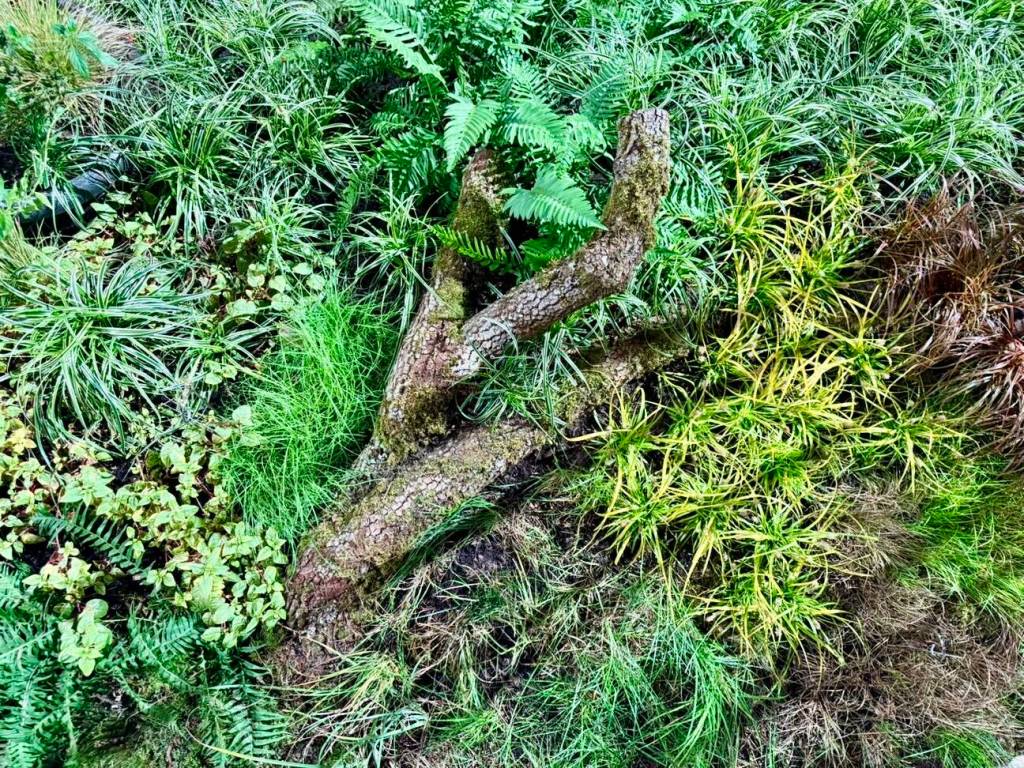
Sedges can be central to that approach. They pair well with our native shrubs, flowering perennials and drought-tolerant plants, and create layered gardens that look rich and naturalistic.
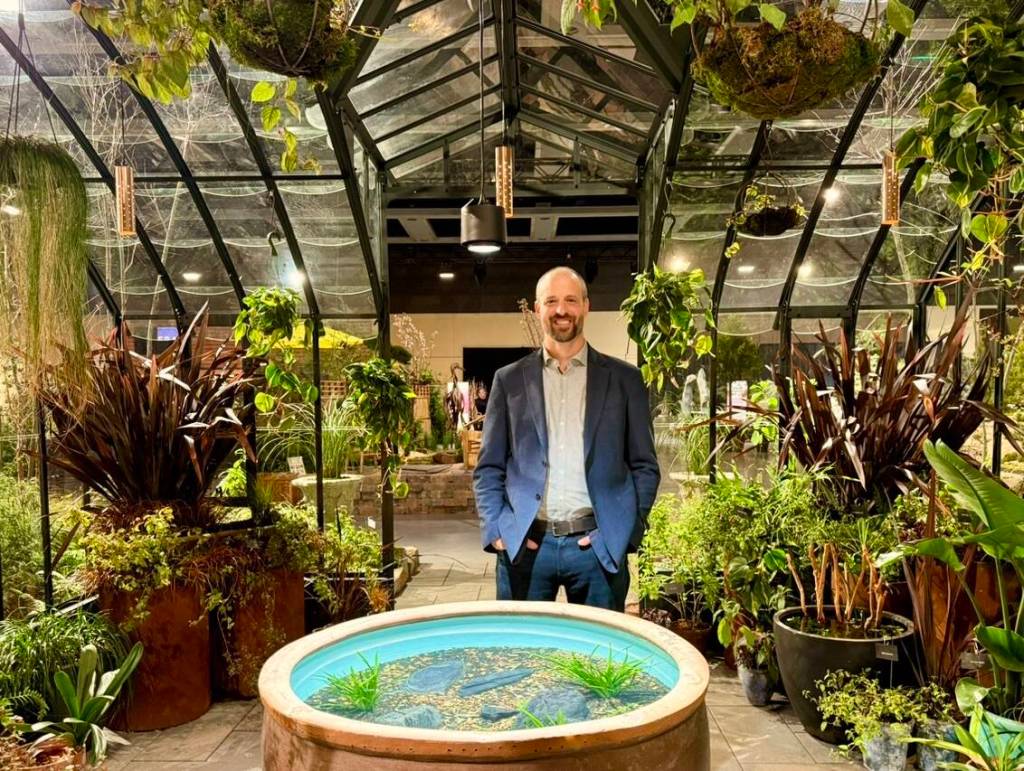
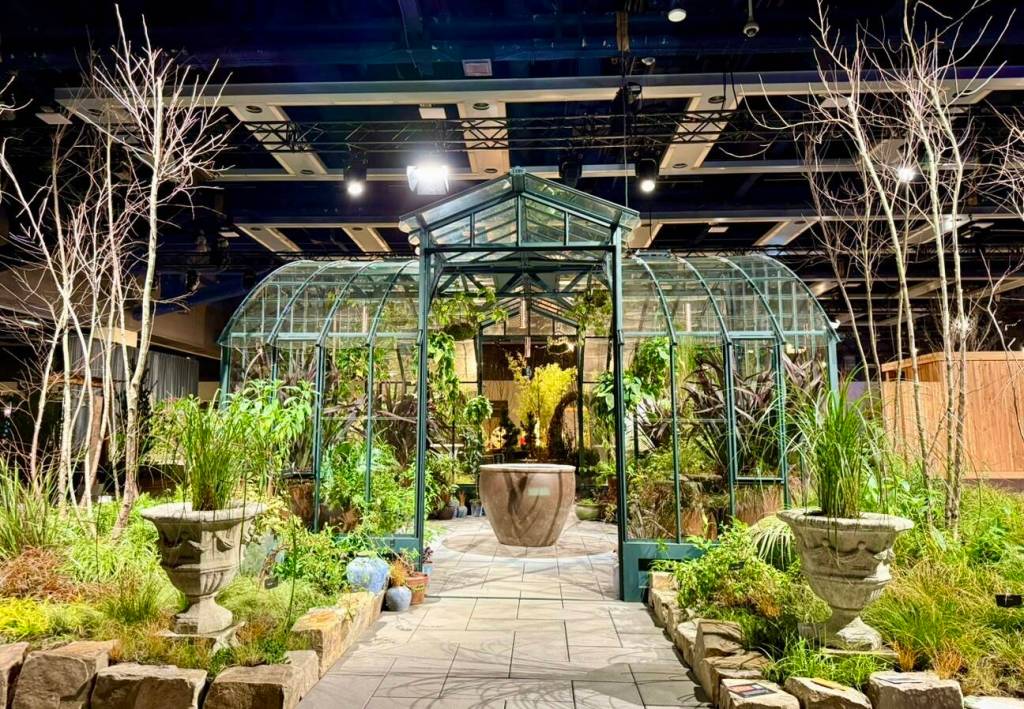
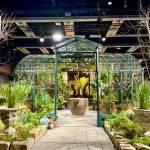
This February, I had the opportunity to build a display garden that explored these ideas in a more immersive way. I wrapped a meadow of sedges around a beautiful French greenhouse. In aged stone urns that would normally showcase bright annual flowers, I placed giant arching specimens of Carex obnupta (slough sedge), dug up from my garden. The effect was dazzling and fun.
The response from visitors was energizing to me. Many people were surprised by how dynamic and varied sedges could be when given center stage. It is one thing to hear that a sedge can be useful; it is another to stand in a space where sedges create rhythm, movement and mood. My hope, both in the seminar I gave at the show and in my display garden, was to expand people’s sense of what a garden can be.
That belief is also central to my landscaping and design work on our island. I am interested in creating gardens that feel personal, grounded and alive — spaces that reflect the character of the site as well as the people who live there.
As gardeners, we have an opportunity to shape spaces that are not only beautiful, but meaningful. We can choose plants that support local ecosystems, reduce maintenance burdens and give our gardens a strong sense of place.
Native sedge may never have the celebrity of roses or peonies, but perhaps that is part of their charm.
So when next you find yourself standing in the garden center, surrounded by flowers and trees all begging you to add them to your garden, take a moment to shake off their charms and look closer: You might just find some sedges.
John Coghlan is a garden designer and plant enthusiast who lives on Vashon Island with his wife and two daughters.