Time & Again: Vashon third places
Published 1:30 am Wednesday, May 6, 2026
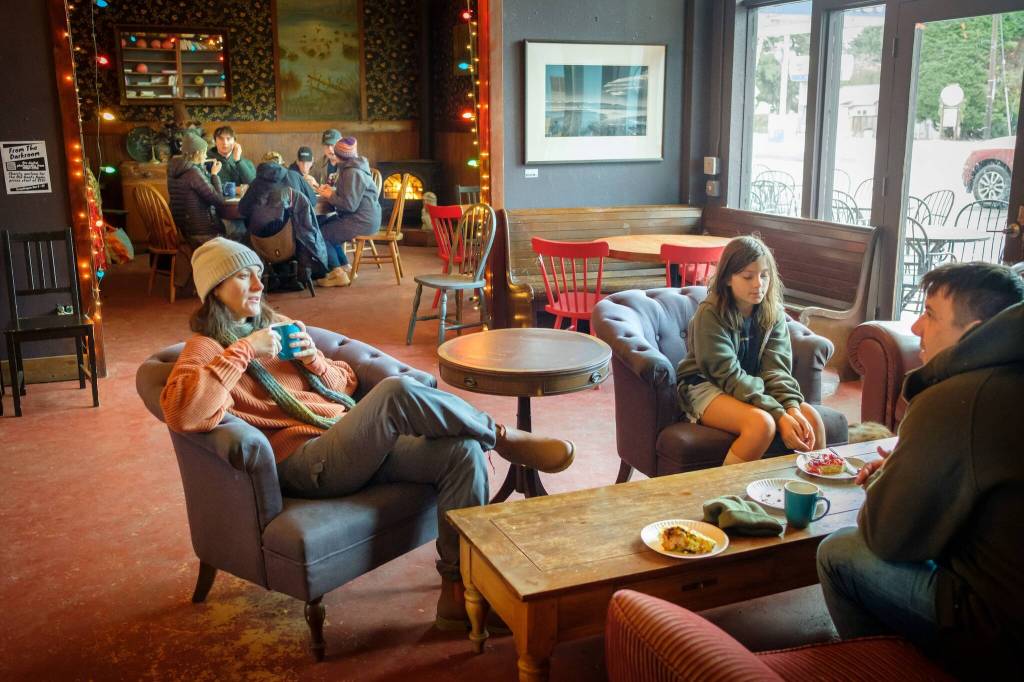
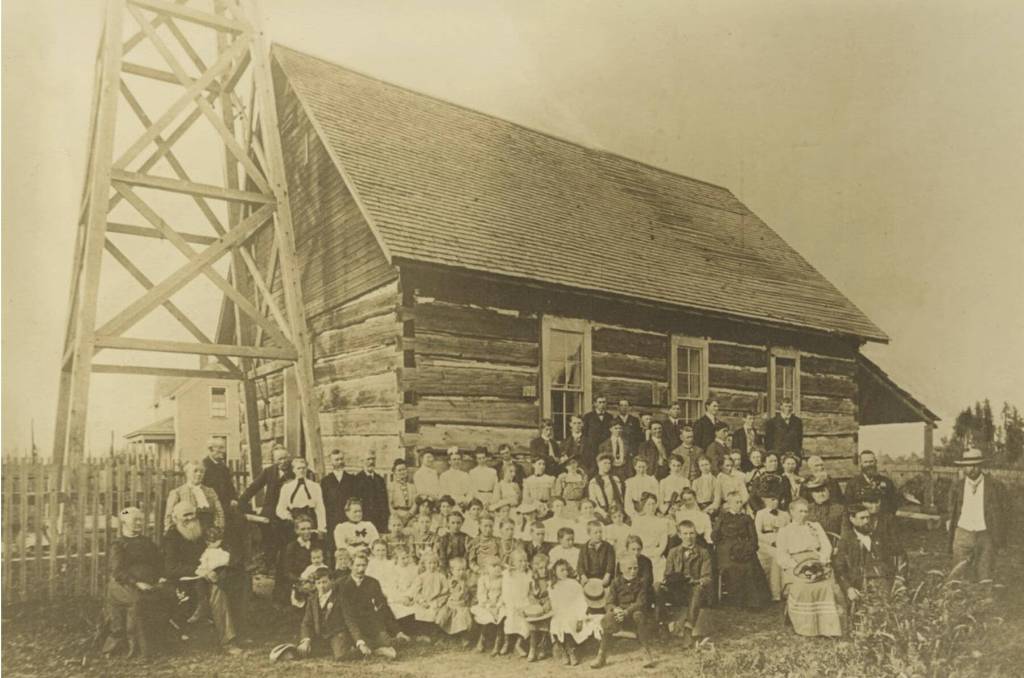

“Third places” are social spaces separate from the home, the “first place,” and work, the “second place,” where people gather, interact and relax. Third places are usually informal, open, inviting and comfortable places where conversation is a central activity and everyone is essentially on the same social level.
The concept of a third place was developed by sociologist Ray Oldenburg in his 1989 book, “The Great Good Place.”
Vashon’s third places have evolved and changed as the culture has evolved and changed, but Vashon has always had them.
When American settlers arrived on Vashon, they brought with them the Euro-American concept of third places.
The first third places on Vashon were churches, schools, community stores, post offices and meeting halls, often in the same building, where islanders met. Every islander lived within walking distance of a church, school, store and post office.
The Chautauqua Assembly, located at what is now Ellisport, provided another third place from 1888 to 1912, though mostly during the summer. It also served as a location for other third places, including the Christian Science Church, the Grand Templar’s Lodge, the Garvin Store and Post Office, the Assembly’s 1,500-seat amphitheater, various boarding houses and hotels, and the Bathing Beach, now KVI Beach.
As roads and automobiles changed the island in the first half of the 20th century, the island’s third places also began to change. Local community third places began to disappear, and larger islandwide third places emerged, often centered in Vashon Town. The previous small places were absorbed into larger islandwide spaces.
By the middle of the 20th century, most Vashon third places were found stretched along Vashon Highway between Vashon Town and Burton.
Some local gathering places continued into the 1940s and 1950s, including the Burton Dance Hall and Lisabeula Hall, where Quincy Jones and his band would play, but these also began to disappear. There were only a few coffee shops and restaurants to fill the role of third places. Clubs, fraternal organizations and service clubs emerged as important third places on post-World War II Vashon.
The baby boom hit Vashon, as it did the rest of the country, and third places were revived, particularly around churches, schools and sports.
Large Sunday school programs in churches, newly constructed schools and kids’ sports leagues all reflected these demographic changes. During this time, Kimmel’s opened as a modern supermarket in 1959, and Thriftway opened two years later, creating a very different kind of centralized shopping third place that had never existed before on Vashon.
In the 1970s, the island began to change once again, and new third places began to emerge. The Spinnaker and Sound Food restaurants opened and began the development of the wide range of restaurants we have now. Vashon Allied Arts was formed and began to develop a third place for the island’s arts community to gather, explore and celebrate. And, in 1975, Granny’s Attic opened and ultimately grew into what it is today, one of the quintessential Vashon third places.
The original Vashon Memorial Library, now the Senior Center, was replaced by a new King County Library built at Ober Park in 1983 and remodeled and expanded in 2014. The Vashon Library has played a significant and changing role as an island third place since it opened in 1945.
The wave of island gentrification that began in the 1990s with the passenger-only ferry and the rapid increase of ferry capacity with newer, larger ferries brought the need for new kinds of third places.
This gentrification trend accelerated in the mid-2010s as the island recovered from the 2008 Great Recession and went into hyperdrive in the 2020s with the COVID-19 pandemic. Gentrification changed the island’s demographics as the island population began to age significantly, with fewer children and more seniors. With these changes, third places changed as well.
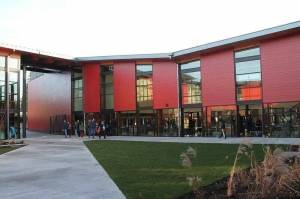
Church attendance declined, except for a few churches. School attendance was dropping and needed to be stabilized by importing students from off island.
And the Seattle coffee revolution, which began in the 1970s and 1980s, reached Vashon in the late 1990s, bringing the first of what are today the island’s ubiquitous coffee shops and restaurants.
Athletic clubs, gyms, spas, island trails and beaches became third places for many islanders seeking to combine physical activity with socializing. While service clubs declined significantly, some social clubs, including the Sportsmen’s Club, the Eagles, the Golf & Country Club and Quartermaster Yacht Club, thrived.
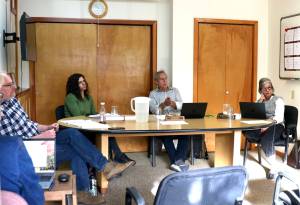
Nonprofits, which were a relatively new phenomenon on the island in the 1980s, proliferated in the early 2000s and became significant third places for islanders with common interests to gather, socialize and work together for a common purpose.
By the close of the first quarter of the 21st century, gentrification and the COVID-19 pandemic had transformed Vashon’s third places into what most islanders recognize as the current cornucopia of places to gather, socialize and converse.
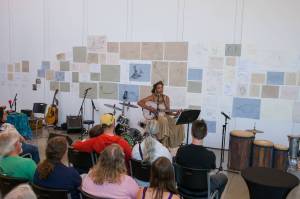
The traditional third places of coffee shops, restaurants, pubs, tasting rooms, grocery stores, gyms, churches, performance spaces and the library have grown beyond traditional brick-and-mortar spaces to include hybrid and digital third places as well.
For Vashon at the beginning of 2026, every day and evening of the week is filled with physical third-place opportunities.
In the realm of social media platforms, online communities and virtual spaces, those third-place opportunities are available 24/7. The difference is that a physical third place is face-to-face and provides a sensory, connecting experience that a virtual third place cannot provide. A virtual third place provides a convenience and timelessness that a physical third place cannot provide. They both have a role, but those roles are different and potentially have different outcomes.
The brick-and-mortar third places on Vashon in 2026 are well known and easily accessible.
The many island walking trails, and even those few island sidewalks, like in Dockton, create additional third places. The aisles of Thriftway, IGA and the Burton Store function as impromptu third places, while churches, social clubs and other organizations continue to serve their traditional third-place roles.
Large numbers of islanders are active in all kinds of digital third places. The Facebook group Old Vashon Pictures and Stories has more than 7,800 members, more than two-thirds of the total island population of 11,000.
It is difficult to know all the digital third places islanders are involved with, but we can assume they are as many and as varied as the island’s physical third places.
Brick-and-mortar third places provide a physical experience that virtual spaces struggle to replicate, and these physical spaces provide a more spontaneous, unstructured and egalitarian mixing element that is difficult to reproduce in the self-selecting digital realm.
The writer George Saunders echoes this concern, noting that in our current society, we are in a “strange condition of impersonality.” We are living at a time in which we are “devaluing human-to-human contact.”
As the world becomes more digital and more isolating, the importance of third places, both physical and digital, becomes increasingly important to foster conversations, connections and the shared energy that comes from being in a third place.
Bruce Haulman is an island historian. Terry Donnelly is an island photographer. This article is part of their ongoing “Time & Again” series, which explores island history in The Beachcomber.