‘Healing happens here’: Thunderbird opens on Vashon
Published 1:30 am Tuesday, July 14, 2026
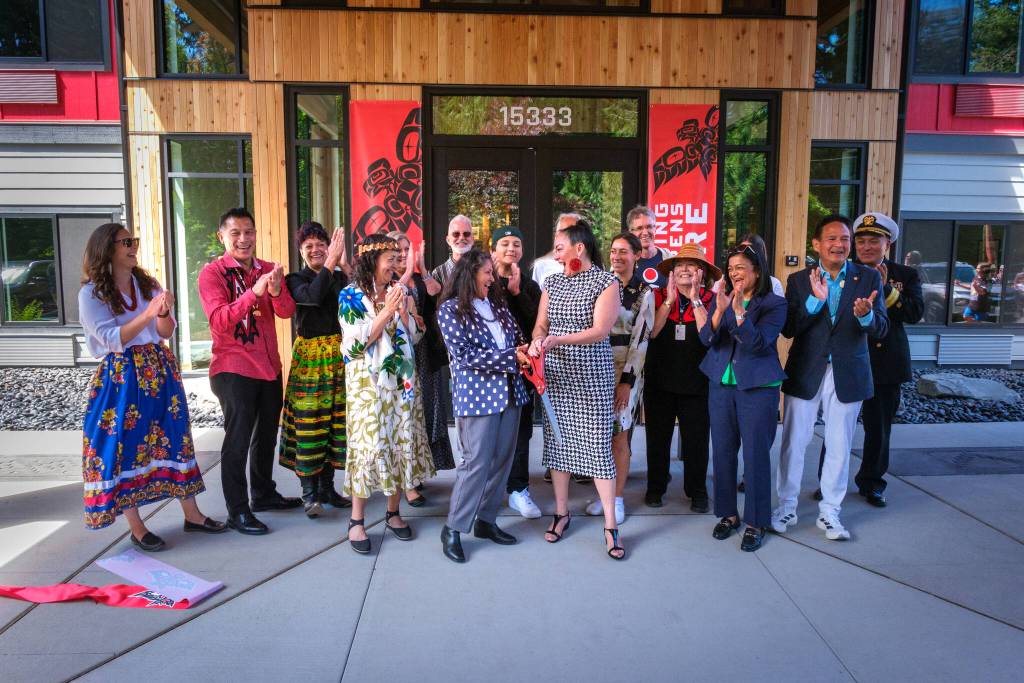
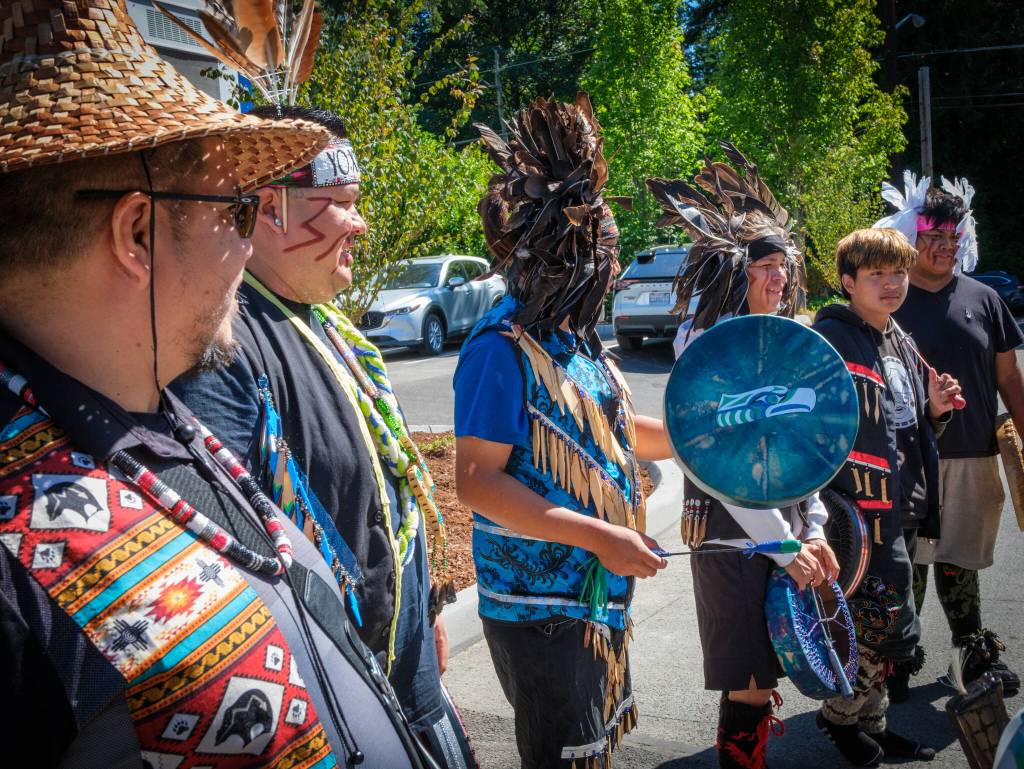
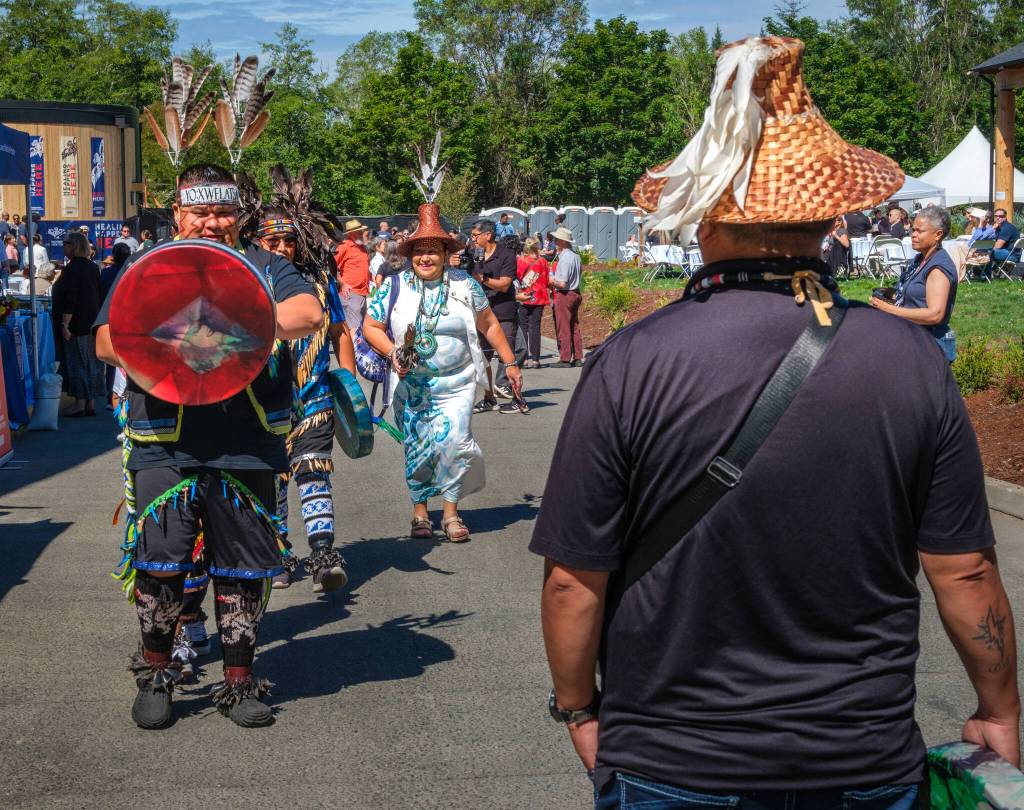
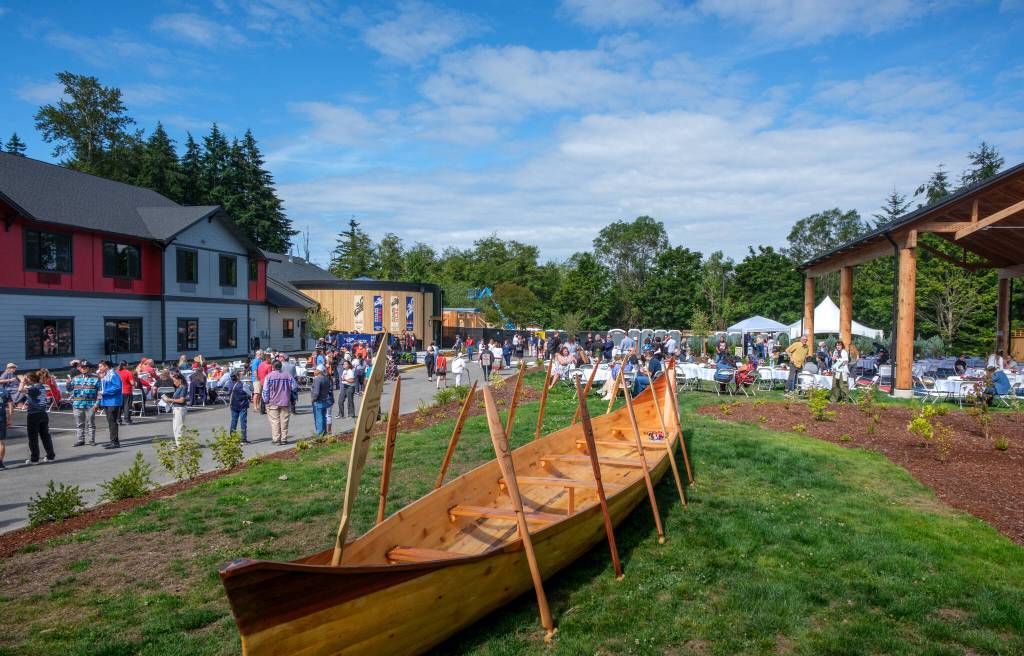
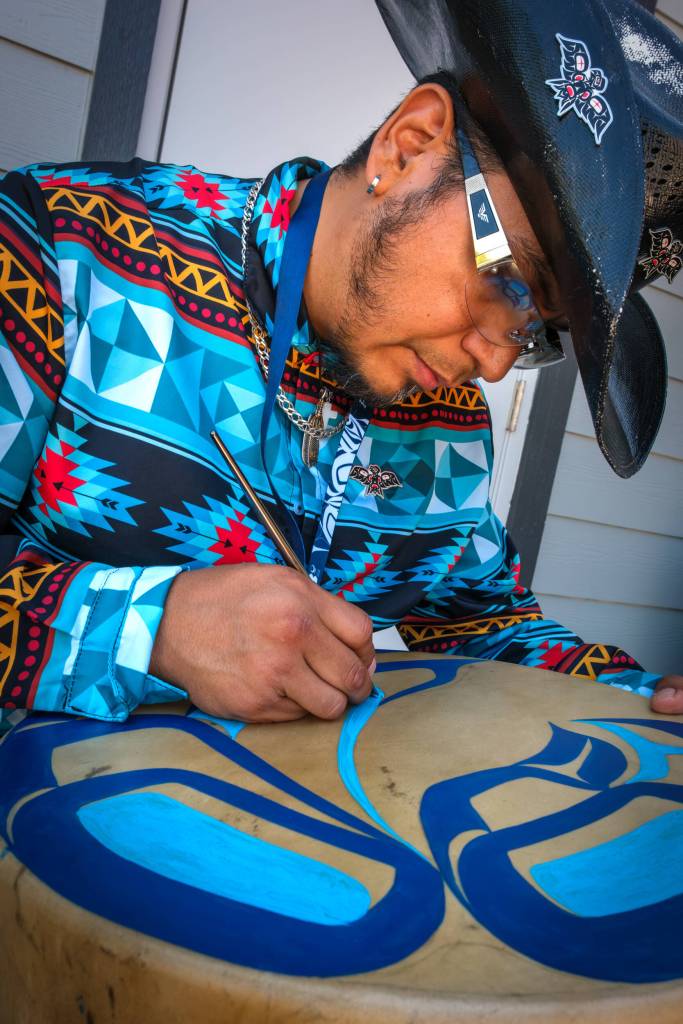
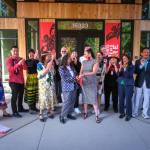
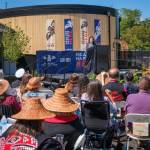

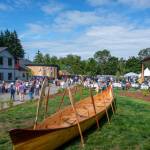

Seattle Indian Health Board leaders, elected officials, tribal members from around the state and Vashon residents gathered Saturday for a moment long in the making: The ceremonial opening of the health board’s Thunderbird Treatment Center, a 92-bed facility that will help its clients rebuild their lives.
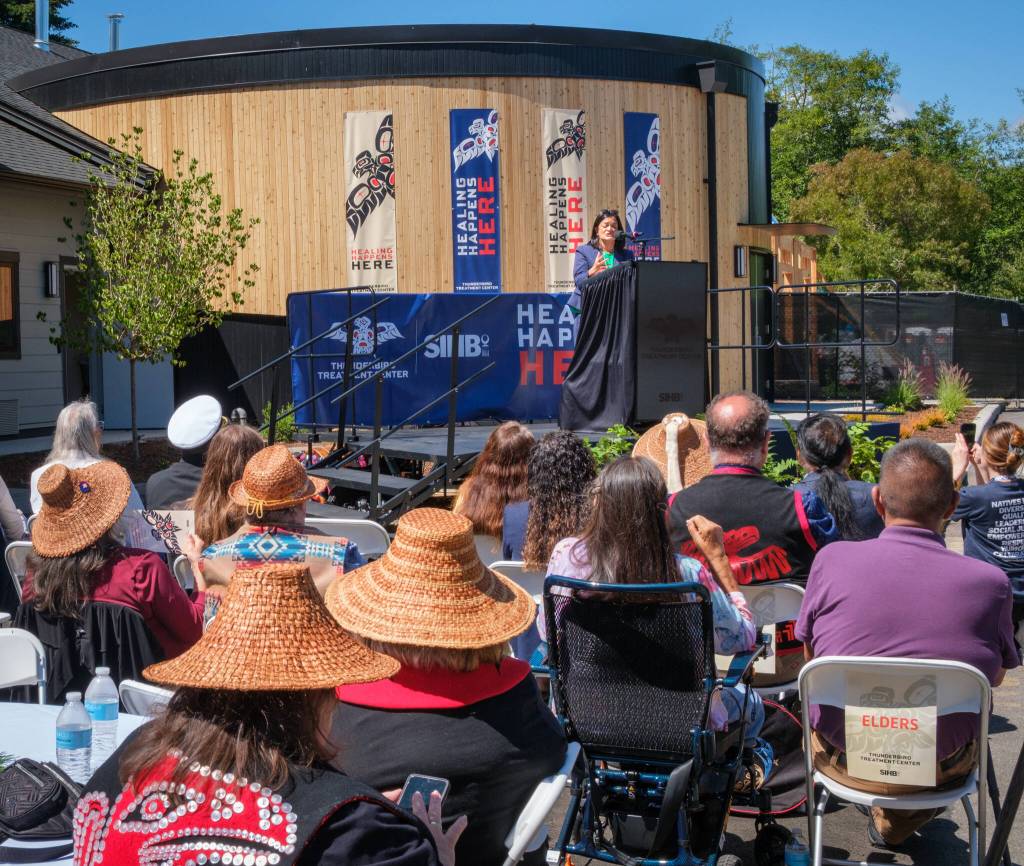
At an outdoor podium next to the newly remodeled facility, in front of large banners that said “Healing Happens Here,” one speaker after another spoke of the promise of the new treatment center, the tenacity it took to bring it to fruition, their gratitude to all who played a role and their deep pain due to the ongoing tragedy of substance use disorder.
“All of our ancestors are proud today,” Esther Lucero (Diné), president and CEO of the Seattle Indian Health Board (SIHB), told the crowd. “We chose Vashon Island because healing happens here. We chose Vashon Island because we knew that you could line up with us and stand in our circle. … We chose Vashon Island because this is tribal land.”
Abigail Echohawk (Pawnee), SIHB’s executive vice president, captured what she called the “juxtaposition” of the moment. In Alaska, she said, her family was burying a young relative who had just died from substance use, while she stood before hundreds of supporters to celebrate a treatment center that might have saved his life.
“On behalf of my family that is grieving, my family that is carrying hopes, we are so grateful for every single one of you who is here today to stand with us as we move forward into what this land has been weeping for, and now cries in joy for — the return of Native people, culture and traditions to Vashon Island.”
“This is a lifetime commitment,” she added. “In 500 years, we will be as healthy as we were 500 years ago. And Thunderbird Treatment Center is going to be a part of that. And we cannot do it without all of you.”
The center is not yet admitting residents. Seattle Indian Health Board officials expect its first clients — called “relatives” at Thunderbird — to arrive in late summer or early fall, after final work on the facility is completed and all the positions are filled.
The new treatment center replaces one that SIHB ran for 30 years in Seattle; they closed the aging facility in 2020 because it had gotten too expensive to run. In ways both big and small, SIHB officials said, the Thunderbird Treatment Center on Vashon is a brand-new facility.
The $35 million project, a wholesale remodel of the former Vashon Community Care Center, includes a cedar-clad ceremonial room with a large, round skylight — a place for talking circles, ceremonies and gatherings with traditional healers. It boasts a commercial-grade kitchen, where residents can learn culinary skills; an Indigenous medicine room where native plants will be made into teas and tinctures to support residents in their journey towards health; and bedrooms adorned with Native-made blankets.
Native artwork — including a painting of salmon by Israel Shotridge, a celebrated Vashon artist who died in April — hangs on the walls. Private counseling rooms are tucked into corners. Three sweat lodges will be built outside, next to a covered basketball court made of cedar and towering wooden posts.
Though not yet completed, the center also includes a wing for pregnant and parenting residents, a huge and largely unmet need in the recovery movement. The facility will be the largest inpatient drug and alcohol treatment center in King County, increasing the county’s inpatient bed count by nearly 50%, according to SIHB.
In the weeks leading up to Saturday’s event, about 650 islanders participated in small-group tours of the center, each one led by an SIHB board member. During one such tour last week, Tom Warren (Choctaw), SIHB’s board president, said the treatment center will be open to anyone — Indigenous or not — who wants to heal from substance use disorder.
“There will be community. There will be culture. It doesn’t matter if you’re a Native person or not,” he said. Noting that he lost three relatives to alcoholism, one of whom was white, he added: “Alcoholism does not discriminate.”
Also in the works is a full-service outpatient clinic, which will include dental care, mental health services, well-baby checks and more, Lucero said. The clinic is fully permitted; she expects construction will start soon and that it will be completed sometime next year.
“Anybody will be able to access it,” she said.
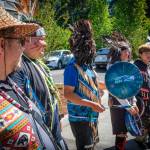
Saturday’s event — held in the parking lot adjacent to the building — began with a small group of Native drummers and singers walking in a procession towards the podium. Around 200 people, some standing, many at small tables covered with white tablecloths, watched quietly as the procession reached the podium and two young dancers swayed to the drumbeat.
In front of the podium were pots of native ferns and salal. Barn swallows flew overhead as a parade of speakers addressed the crowd.
U.S. Rep. Pramila Jayapal (D-Seattle), who helped secure funding for the center, said she was moved to tears by what the new center entails, “by the idea that instead of a legacy of oppression and brutality and destruction, we now have the opportunity for investment, for listening and for healing.”
She told the crowd that when she first saw drawings for what SIHB hoped to create, “I thought, ‘Wow, this is an ambitious project.’ And it is an ambitious project. But it’s the right project for the moment. … What is going to be offered here … really is one of a kind — one-of-a-kind treatment and healing that everyone across the country will be able to learn from.”
At a time in the United States when millions of people are uninsured and a cancer diagnosis can lead to bankruptcy, Jayapal added, “Thunderbird is showing us a different model. You are giving us an opportunity to consider what health care looks like.”
State Rep. Chris Stearns (Navajo), speaker pro tem in the House and a former SIHB board member, said to applause that he was celebrating not only the completion of Thunderbird but also his 16th “recovery birthday.”
Recovery, he added, “allows us to see the beauty in ourselves. … Just looking at you all and being here … reminds me that we are beautiful people, as Native people. It’s our ceremonies, our songs, our traditions that make us beautiful. … I’m really glad to be here where I belong.”
King County Councilmember Teresa Mosqueda, who represents Vashon on the county council, stepped up to the podium with her young daughter at her side. “Today represents far more than the opening of a building,” she said. “It marks a significant investment in healing, in hope, in the health of the community at large. It represents years of vision, regional partnership and leadership by the Seattle Indian Health Board.”
King County has lost more than 100 residential treatment beds since 2018, Mosqueda said. “Today, that statistic changes.”
“And let us be clear,” she added. “This space is a value-add to Vashon Island, … a value-add to King County, a value-add to Washington state and a value-add to this country. It is also … the least that public dollars can do when it was public dollars that contributed to the harm of the past. … It is the right thing to do to right historic wrongs.”
Islanders attending the event said they were glad to see that many on Vashon are supportive of the facility. Joseph Bogaard and Yve Suskind helped to start Friends of Thunderbird two years ago to support SIHB after a banner went up on the highway denouncing the center and after some islanders began to raise questions about the center’s potential impact on Vashon’s emergency response capacity, transportation and public safety.
“Many people have genuine concerns,” Suskind said. “And SIHB is taking them seriously. They’re not only giving people accurate information to alleviate those concerns but are also stepping up with resources and creativity to help Vashon address issues. That’s exactly the kind of community partner we need and that we want to be for them, too. We want to collaborate with them to be part of solutions.”
Added Bogaard, “It will be important for the community dialogue and relationship-building to continue over time. I see this as a very good thing — a learning opportunity for us all.”
Others, too, said they were moved by the day’s event. Sharyne Thornton (Cherokee), SIHB’s longest-serving board member (she joined the board in 1992), said she was struck by the hope and generosity she heard from speakers during a time “of so much vitriol.”
“To hear these good words against that backdrop — it keeps me from despair and fills me with hope. We can do this. Our people have a long history. I just love this.”
Shelley Means, another board member and also an islander, said she hoped people were leaving the event with the realization “that there’s a movement much larger than SIHB, than Thunderbird,” taking hold right now. She called it “wellbriety,” a movement towards Native-informed health in all aspects of life, from childbirth to death.
“There are so many positive things happening in Indian Country right now,” she said. “I hope today opens people up to the possibilities of what can happen.”
Leslie Brown is a former editor of The Beachcomber and a member of Friends of Thunderbird.