Local vet laments lack of socialization in pandemic pups
Published 1:30 am Thursday, August 12, 2021
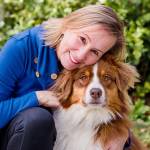
By Phil Clapham
For The Beachcomber
The markedly increased anxiety levels that have accompanied the Covid-19 pandemic are not confined to humans: many dogs have come to lead more stressful lives too.
Not, of course, because dogs know anything about the disease that is ravaging the world’s human population, but because dogs are extremely sensitive to their owners’ emotions.
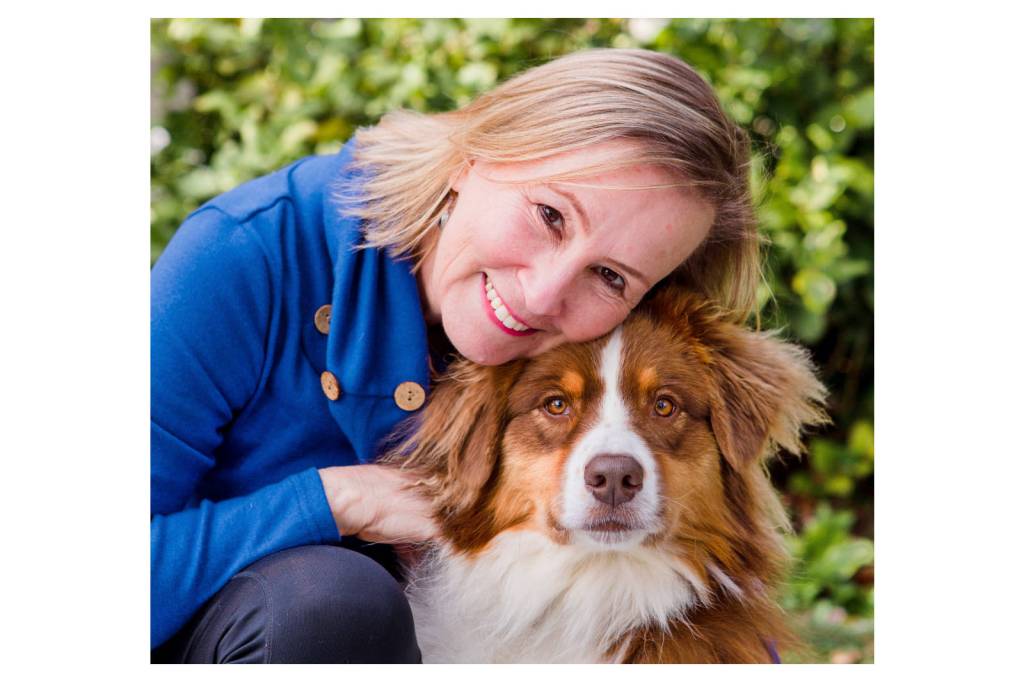
Teri Byrd, who owns Four Paws veterinary clinic, outlined the problem in a recent interview.
“For more than a year people have been isolated inside”, she said. “People are worried about joblessness, children are at home without social outlets, and there’s no access to dog trainers or dog parks. And there’s been minimal contact with strangers — whether human or dog.”
Dogs pick up on this. (Cats, she noted with a smile, are a lot less sensitive — “When there’s chaos in the house, a cat will be like, ‘I’m going outside, I’ll come back when you’ve all calmed down.’”)
Worse, she said, the key process of socialization for young dogs has been short-circuited by the pandemic, exacerbated by the fact that so many people have acquired puppies or rescue dogs during this time.
“For a puppy,” Byrd said, “the most important time in their life for socialization is between 7 and 16 weeks. Socialization is not just about interactions with other dogs and people, but how they learn to deal with things like noises, chaos, or anxious owners. It’s about the way a puppy learns to see the whole world — is it a friendly world or a scary one? When that world is calm and friendly, young dogs gain self-confidence and are balanced and happy. In a scary world, they revert to ‘fight or flight’, and react by either becoming aggressive or by hiding. The same is true of rescue dogs attempting to adapt to a new environment.”
As a result, Byrd says, vets these days are increasingly focused on a dog’s emotional well-being as well as its general health — because they’re seeing more and more fearful dogs.
“Fear gets in the way of cooperation and of healing,” she says. “Fearful dogs are not happy dogs.”
She estimates that the percentage of anxious and stressed dogs she sees in her practice has increased from around 20 percent pre-Covid to 40 or 50 percent today.
Training is critical, she said, but the fact that virtually all dog trainers shut down during the pandemic just contributed to the problem of unsocialized dogs.
Byrd said that whenever she has a client bring in a new dog, especially a puppy, she spends at least an hour with them to explain the ins and outs of socializing and training their pet. As a “fear-free” clinic, her practice aims to maintain an environment that creates a positive experience, a place pets want to visit (Byrd noted that Fair Isle, another vet clinic on the island, has a similar approach).
This involves a lot of positive reinforcement (she buys vast quantities of treats), and she encourages anyone to do what she calls a “happy visit” — to come to the clinic whenever they want, at no charge, for their dogs to just be in the space, to get attention and treats, and generally acclimatize in a positive way to the environment.
“Just call us first,” she said.
This leads to another essential: exercise. Byrd said that a minimum of an hour a day is necessary for a dog, longer if it’s a puppy. This time can be broken up, but exercise is a key element in a dog’s well-being. She welcomes dogs coming over to run around in the clinic’s yard any time during working hours, and to interact and play with the staff’s dogs, all of which are trained and good companions.
This brings up another observation. Thirty years ago when Byrd began working as a vet, it was common for dogs to roam more freely, with fewer restrictions. Now people are often made to feel guilty or irresponsible if they walk their dogs off-leash. While aggressive dogs should never be allowed off-leash, if a dog is well trained and has good recall, having it run free is much better for the dog, in terms of both exercise and its emotional state.
“On Vashon, we’re fortunate to have safe trails away from roads,” she said, “but we need a good dog park for socialization.”
Finally, she said, don’t forget to reinforce a dog when it’s doing the right thing. If your dog is lying down quietly, for example, reinforce that with a treat and a pat. And get a dog used to being handled the way a vet would: look in its ears, open its mouth to examine its teeth, run your hands over its body — all reinforced with treats. Then it won’t freak out when you bring it in for an exam.
Vashonites, Byrd said, realize that getting a dog is a huge responsibility and they need to be easier on themselves about trying to have a “perfect dog.”
“There’s no such thing as a perfect dog, just like there is no such thing as a perfect child or a perfect human,” she said. “Our collective goal is to make our dogs happy and outgoing rather than anxious — a goal I know we can reach together.”