The do’s and don’ts of dealing with dark and stormy nights
Published 1:30 am Thursday, December 14, 2023
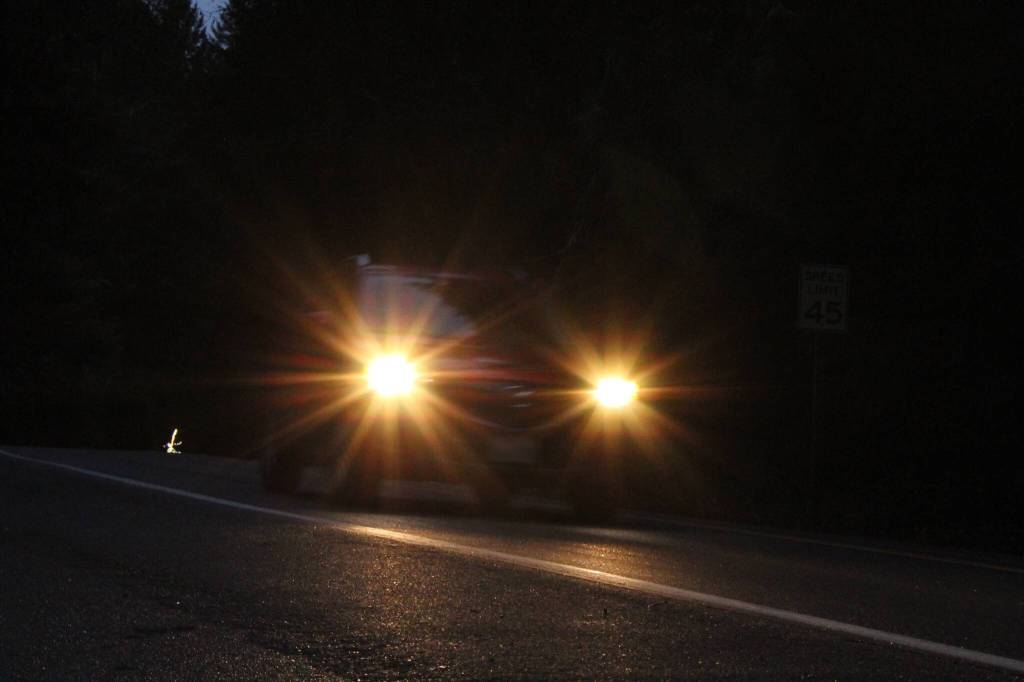


In the last few weeks, stormy weather has had a big effect on Vashon.
One-fourth of the island was without power for a couple of hours recently as a windstorm swept through, accompanied by chilly days and overnight freezing temperatures.
Last week, we had a few days of heavy rain that totaled almost three inches. There’s snow already in the Cascade Mountains.
Winter doesn’t officially arrive until Dec. 21, but it sure seems like Old Man Winter has his own ideas about the season. So, we’ve put together what Snoopy might call a ”Dark and Stormy Night” edition of our weekly newsletter.
When Will the Lights Come Back On?
Puget Sound Energy (PSE) provides an online map that will tell you a lot about what to expect when your power goes out. You can also view the outage map in the myPSE app, available in the Android and Apple app stores.
See and Be Seen on the Road
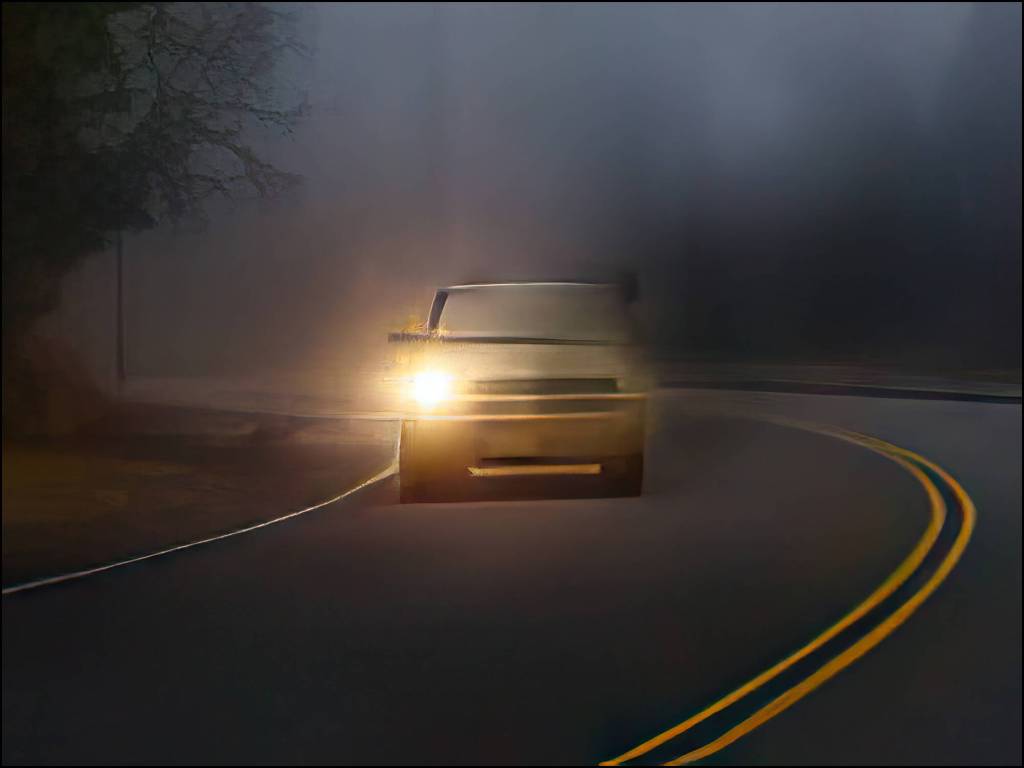
We all spend more time in the dark as the sun rises later and sets earlier. It’s important to be more vigilant — and more visible — in these times of reduced light, especially if bad weather further reduces visibility.
Safe Walking
Be seen by wearing bright, reflective clothing. Wear a headlamp or carry a flashlight to light your way and prevent tripping accidents.
- Stay alert! Put away the phone and earbuds or headphones.
- Stay on sidewalks, or the road’s left shoulder facing oncoming traffic.
- Cross the road at intersections and crosswalks, after making eye contact with drivers.
- Don’t assume drivers will always stop for crosswalks or traffic lights.
The National Safety Council (NSC) publishes a helpful one-pager on defensive walking and driving in winter conditions.
Safe Cycling
Again, be highly visible with bright headlights, tail lights, and reflective gear. Wear reflective clothing, a helmet, and shoes.
- Slow down. Just like in a car, you need more reaction time when it’s dark, wet, or icy. Plus, when roads are slick, going slower gives you more control and you are less likely to take a tumble.
- When it’s wet or icy, consider alternate transportation. If you must cycle, adjust tire pressure to the low end of the recommended range for better traction. Consider grippier treads.
- If you decide to cycle in freezing or snowy conditions, watch for ice on bike lanes and shoulders.
- Be aware that drivers are less likely to be looking out for cyclists because they assume most people are biking less or not at all in the winter.
- Store eBike batteries indoors to keep them charged.
There’s lots more info on cycling safely in winter on this expert advice page published by REI.
Safe Driving
Prepare. Protect. Prevent. Those are the three P’s of safe winter driving promoted by the National Highway Transportation Safety Administration (NHTSA).
Prepare:
- Check lights, battery, tire tread, windshield wipers, and top off your no-freeze window washing fluid.
- Scrape ice off all windows and mirrors before driving. Winter driving requires complete visibility of the road, other vehicles, cyclists, and walkers.
- If it’s snowing or icy, be sure to let others know your planned route and arrival time, especially if you are making a long trip. Agree ahead of time on check-in times.
- Charge up your cell phone so you can call for help if needed, and to get the latest road and weather information.
- Stock up your vehicle with flashlights, a reflective vest, jumper cables, a shovel, an ice scraper and snow brush, blankets, and some emergency food and water.
Washington State Department of Transportation (WSDOT) puts out a practical checklist of winter supplies to keep in your vehicle.
Don’t drive a one-eyed monster. Check to make sure your headlights are working. In the dark, in the rain and fog, working headlights matter. And while you are at it, check tail lights, brake lights, turn signals, and emergency flashers.
Protect:
- Buckle up and seat children under 12 in the much safer back seat. Never place a rear-facing infant seat in front of an airbag.
- If you’re idling along the road, be mindful of the risk of carbon monoxide poisoning. Run your car sporadically — just long enough to stay warm. Make sure your exhaust pipe is clear of any snow.
- When stopped on the road or shoulder, make your vehicle visible to other drivers by putting on the emergency flashers and dome light.
Prevent:
- Alcohol and drugs never mix with driving. Keep that in mind as you attend holiday gatherings.
- Slow down and leave extra following distance to allow more time to stop on wet or icy roads.
- Watch for pedestrians, cyclists, and animals. They are harder to see at night and in rain and snow.
- Expect the unexpected, especially near schools and high vehicle and pedestrian traffic areas.
- Avoid fatigue — rest before your trip, rotate drivers and take breaks every few hours.
- Slow down and steer clear around snow plows, transportation workers, and road equipment.
NHTSA publishes a detailed tip sheet expanding on the three P’s of winter driving — prepare, prevent, and protect.
Kids and Car Seats: No Puffy Coats
Experts say it’s dangerous to bundle up your child before strapping them into a harness car seat. Of course, you want your child to be warm, but a puffy coat prevents the harness from achieving a snug fit: your child could slip right out of the harness if there’s a crash. So take off the coat and then strap your child in. Keep them warm by draping their coat or a blanket over the harness.
The advice comes from the American Academy of Pediatrics, the NHTSA, and Consumer Reports. These two links illustrate the risk, here and here.
COVID Risk Level: Basic
The VashonBePrepared COVID Risk Advice Tool aggregates data in our exposure area. That includes King and Pierce counties because passengers on the island’s ferry routes take thousands of roundtrips daily to those mainland areas. The primary metric evaluated by the Vashon Medical Reserve Corps is the COVID hospitalization rate because public health agencies reliably report that data.
At this risk level, wear an N95 mask indoors in public if you are exposed to COVID, at risk for health or other reasons, or live or spend time with someone at high risk.
Get the updated COVID and flu vaccines.
Maintain good ventilation at home and at work, and avoid those with suspected or confirmed COVID.
If exposed to COVID, wear a mask in public and avoid contact with those at high risk for 10 days. Always home-test if you have symptoms.
If you test positive, isolate for at least five days and until you test negative. Also check in right away with your doctor about treatment, even if your symptoms are initially mild.
If immunocompromised, discuss additional preventive actions with your healthcare provider.