VashonBePrepared: Drowning is a leading risk for kids
Published 1:30 am Wednesday, June 11, 2025


This week, we’re providing information to help you keep kids safe as outdoor activities peak during the coming months of summer. That’s especially important with school letting out soon.
In this issue, we focus on water safety, as well as bicycle and pedestrian safety. We’ll discuss other summer safety topics, such as heat and the potential impact of wildfire smoke, in upcoming issues.
The Centers for Disease Control and Prevention (CDC) reports that drowning is the number one cause of accidental death for kids aged one through four years. In fact, drowning is also a significant risk for adults. A recent CDC study shows that more than half of U.S. adults have never taken swimming lessons, which help prevent drowning deaths.
Here are three swimming lesson opportunities you can find on Vashon.
• Vashon Park District offers group lessons for kids ages 5-12 and private lessons for children and adults: tinyurl.com/vashonpool.
• Vashon Island Golf & Country Club offers lessons for members and non-members — group lessons for kids ages 3 and older and private lessons for children and adults: tinyurl.com/vashonccpool.
• Vashon Athletic Club works with a list of coaches in the community. Call 206-463-5601 or email info@vashonathleticclub.com to make arrangements.
Five Layers of Drowning Protection for Kids
The National Drowning Prevention Alliance urges parents to learn about the five layers of protection that can make a big difference in their child’s water safety. The five layers are:
Barriers & Alarms: Kids can be off like a shot to check out the pond or swimming pool. Fences and personal water alarms can help improve your awareness of what they are up to.
Supervision: Always designate an adult as a water watcher, especially if you are in a location where no lifeguard is on duty.
Early Water Competency: Even tots can be introduced to water, which will help them be safer if they fall in or take an impulsive leap into the pond or pool.
Life Jackets: Coast Guard-approved life jackets can aid survivability in the water and allow time for rescue if a child falls off the boat or decides to jump into the backyard pool.
Emergency Preparation: Learn CPR and be ready with a phone to call 911.
Check out this video to get more details on the five layers of drowning protection for kids: ndpa.org/layers.
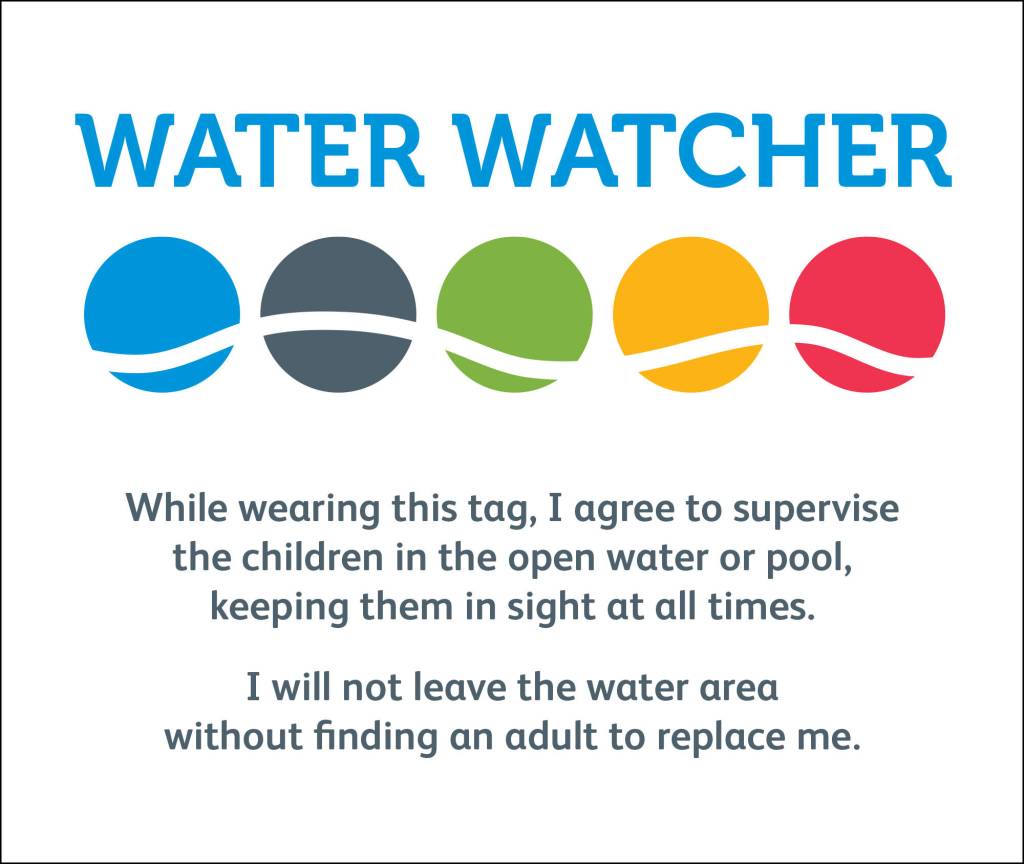
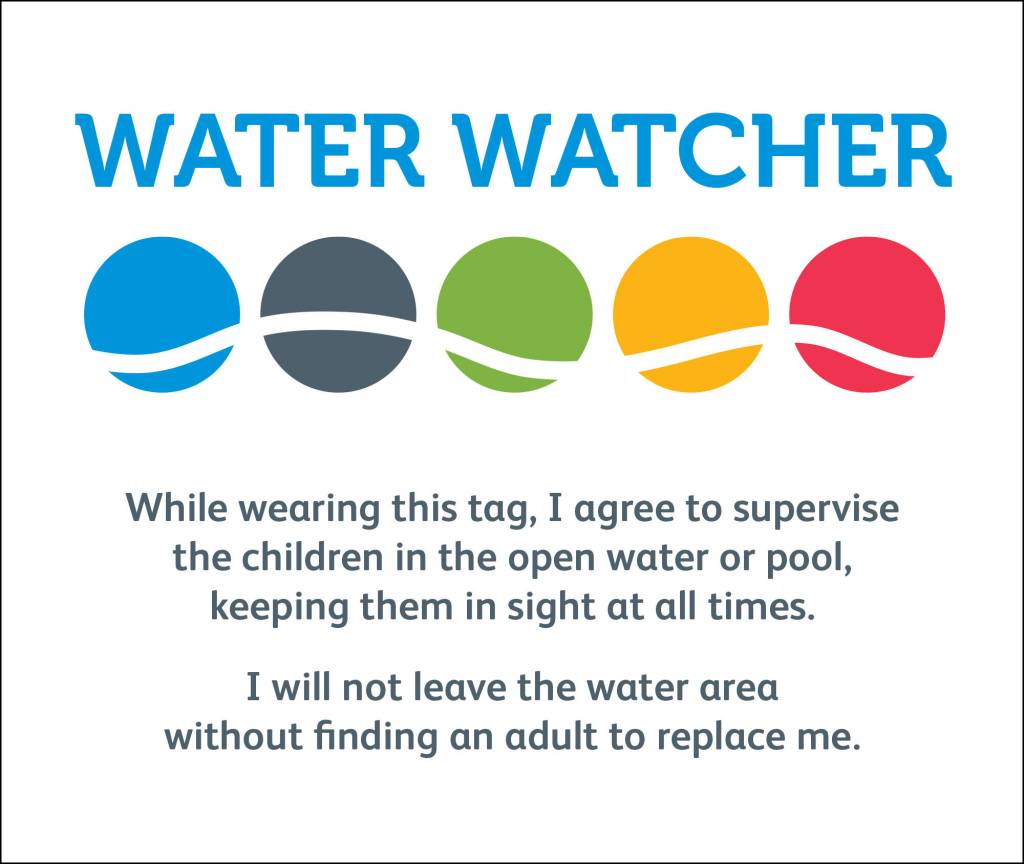
It’s easy to lose track of who has agreed to keep a constant watch on the kids while they are in the water at the pool, beach, or lake. Make it crystal clear who has the job by having the designated watcher wear a Water Watcher card.
To maintain a constant watch on the kids, the designated watcher can’t stand down unless they have passed the card to some other responsible adult. You can download and print the card by visiting tinyurl.com/WaterWatcherCard.
Bicycle and Road Safety
Summer means sunshine, and more children out and about. The American Automobile Association (AAA) says everyone “should expect more foot and bike traffic in neighborhoods and residential areas, as school-aged children take advantage of the warm weather, longer daylight hours, and not having to prepare for school the following morning.”
Here are some AAA tips for you to keep in mind during the summer months. They will improve safety throughout the year, not just in the summer.
Buckle up: Restrain children in child safety or booster seats. Always buckle up yourself, even for short trips.
Keep it light: Drive with headlights and bicycle lights on, even during the day, so that children and other drivers can see you.
Look out: Scan between parked cars and other objects for signs that children are at play and could dart into the road.
Use eye contact: Make eye contact with children who are about to cross the street. Be aware of their next step and indicate yours.
Look for clues: Playgrounds and other areas may indicate that children are present, and you’ll need to be especially vigilant.
Wear a helmet: Make sure your children wear their helmets. Bike helmets are more than 85 percent effective in preventing head and brain injuries in all types of bike incidents, according to the National Highway Traffic Safety Administration (NHTSA).
Play in safe areas: When possible, keep children within fenced areas so they cannot easily dart into the street. Alternatively, have kids use the portion of the yard furthest from the street, or take children to the track at a local high school where they can ride their bikes out of harm’s way.
Provide responsible supervision: Have an adult or responsible sibling watching your child at all times. Children under the age of 12 have not yet developed the ability to judge driver behavior, and often are not tall enough for drivers to see them.
Here’s a video from the Mayo Clinic to expand on some of these key summer safety tips: tinyurl.com/MayoSummerSafety.