Commentary: Beyond the ferry crossing
Published 1:30 am Tuesday, February 10, 2026
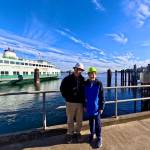
For residents on Vashon, the ferries are not just a form of transportation. From commuting to work, going to appointments, or even just shopping, the ferries shape when we leave, get home, and sometimes have to wait.
After hearing all of the experiences with the ferries from locals, I wanted to look into the ferries for myself in my 8th Grade Forum Project at the Harbor School.
All islanders know that the ferries can be a bit unreliable. Prices have gone up, sailings have been late and cancelled, they have been understaffed, and sailings can be overloaded.
After researching and looking through tens of sources, I found that mainly three things have caused this and fed the fire: Voter Initiative 695, COVID and aging vessels.
Voter Initiative 695 was approved with 56.16% voting yes. The Initiative removed the MVET (Motor Vehicle Excise Tax), which cut ferry budgets billions of dollars. After losing so much funding, around half of the fleet was approaching the tail end of their lifespans.
The old but reliable Hyak did not receive its mid-life refurbishment, and its repair funding ended in mid-2019. It was put out of service for good. The Elwha followed in retirement soon after. Their funding has been diverted to the new vessels. However, the new boats still have not arrived, leaving the system at a constant 18-vessel service, versus its optimal 21.
COVID played another big role in these issues. Around the start of COVID, many WSF employees were becoming eligible for retirement. This decreased the staffing, cancelling sailings and sometimes whole routes.
One of the worst things to happen around COVID was the aging fleet. In 2020, 13 out of the 23 in-service vessels were in or transitioning into their service reliability risk.
Prices have risen to $200 for a ten-pass for car and driver, making each drive home cost $20 on a discount. Sometimes, lines are so big that people will not make the next sailing because of traffic.
Vashon commuters and residents will be happy to know that there will soon be a huge Fauntleroy Terminal overhaul. The best part is, the route will be running during the construction! Of course, dock space will be limited and Friday evenings to the island will be more chaotic then ever, but it will definitely pay off once the work is completed.
There have been new plans that will be done before 2040. These include new vessels, dock improvements and traffic management, and more environmentally-friendly changes.
Until then, some of these issues are still present, so what are some alternatives then? One is the Water Taxi. You can get to downtown directly on foot or bike in the same amount of time it takes to get to West Seattle on the car vessels. Carpooling helps cut down on the lines, significantly decreasing wait times and sailings missed.It will also make the rides less expensive as well. You can walk on the ferry and take the metro buses on the other end. Bikes, scooters, and motorcycles are also alternatives, but don’t have a big capacity.
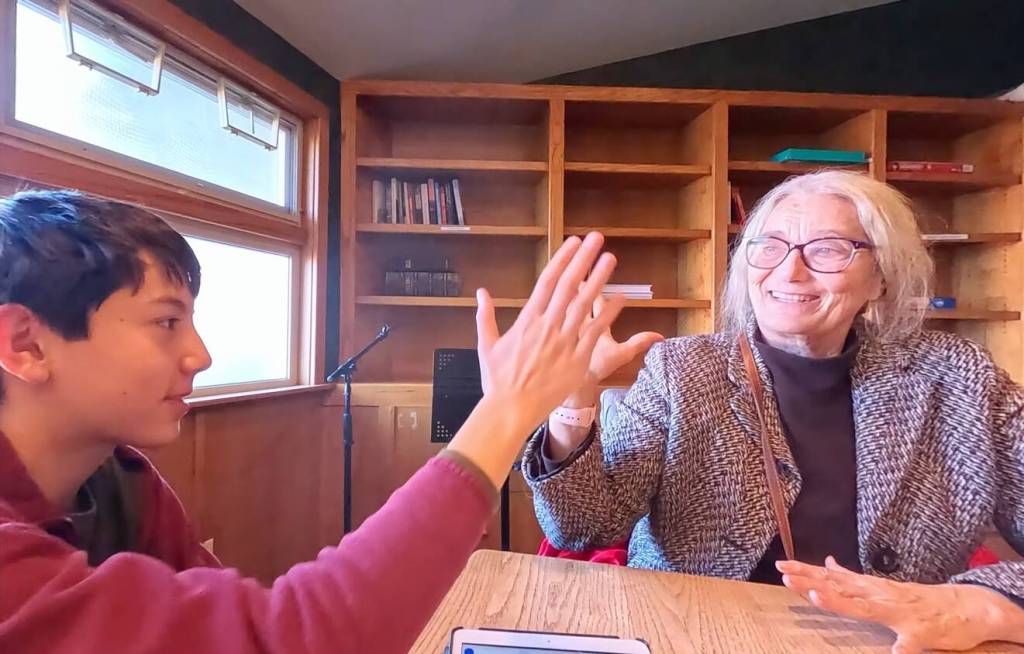
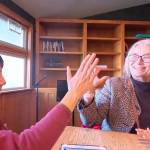
To learn more about the system, I talked to a retired ferry captain and islander, Marsha Morse. One thing she told me is that the system is so complicated (more than you can believe) that the crew members get a very little say in what goes on with schedules and timing. They are barely even informed of why changes happen.
Many people will get affected if there is an emergency repair. This can cancel sailings and even routes for sometimes the whole day!
Morse, a retired employee of WSF after around 50 years explains why here: “…your only options are ferries, and the San Juan Islands’ only options are ferries. So in the state constitution, we are guaranteed ferry service in the San Juan Islands and for Vashon Island… But of course, it can be interrupted and limited, but you’re guaranteed service in the state constitution for the islands.”
Morse had many different roles in the system. One of the most notable was being one of the first female captains for the ferries. She had lots of experience, sailing all vessels and routes.
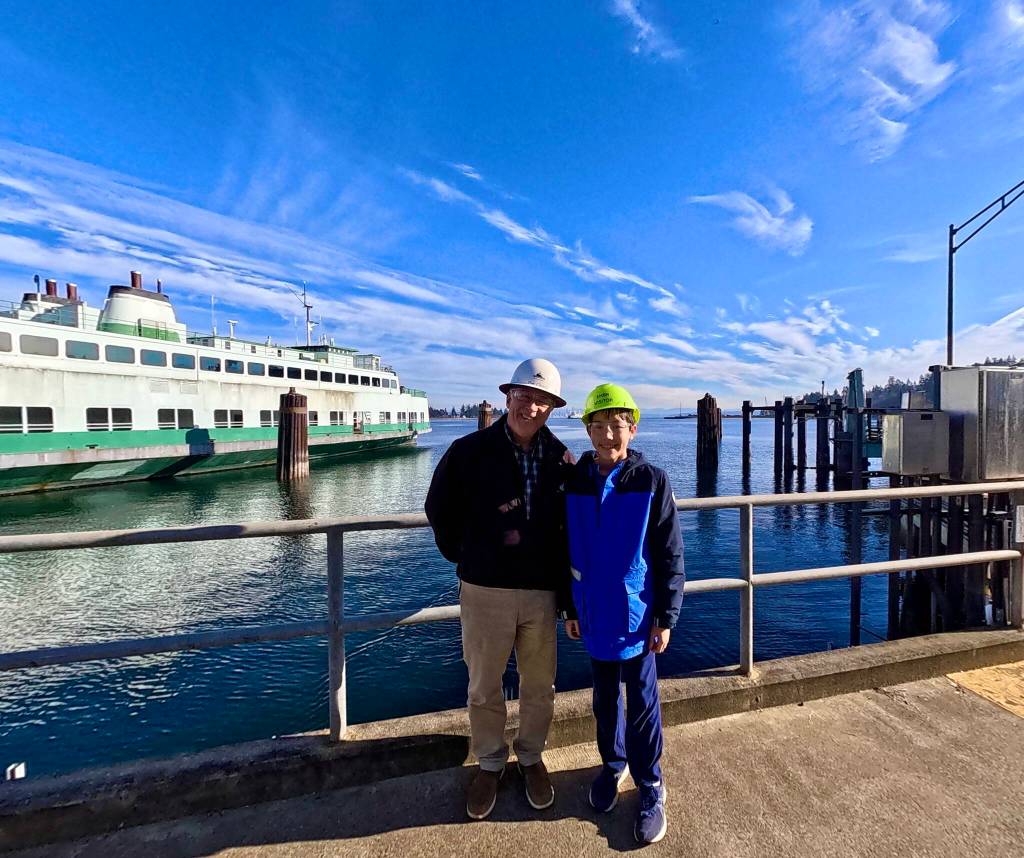
I wanted to learn even more about the ferries, so I talked and toured with the General Manager of Eagle Harbor (The primary maintenance facility for WSF on Bainbridge Island), Tim Clancy.
When I was there, Clancy told me about vessel and dock maintenance. He showed me around the parts of the boats that nobody sees, and what maintenance happens in the areas that the public uses.
He gave me lots of important details and data, as well as giving me a tour around the shops that make things for repairs. For example, the insulation shop making insulation, the carpentry shop making cabinets, the pipe shop for making all sorts of custom pipes and even a lock shop with thousands of different locks.
Garrett Dorr is an eighth grader at the Harbor School. You can view his interview with Marsha and photos of Eagle Harbor and Clancy, as well as his research paper here: sites.google.com/view/wsfproject.