FIELD NOTES: There is much to learn from island’s birds
Published 1:30 am Tuesday, October 31, 2017


The thud early that Saturday morning was unmistakable. A bird had flown into our French door.
At first, it looked like one of the crumbled brown Madrone leaves littering the garden. When I picked it up, it was nearly as light a dry leaf, but it was a bird, a tiny Pacific wren that had died on impact. I felt sick and guilty. This was one of my home birds, a neighbor and my gateway to nature.
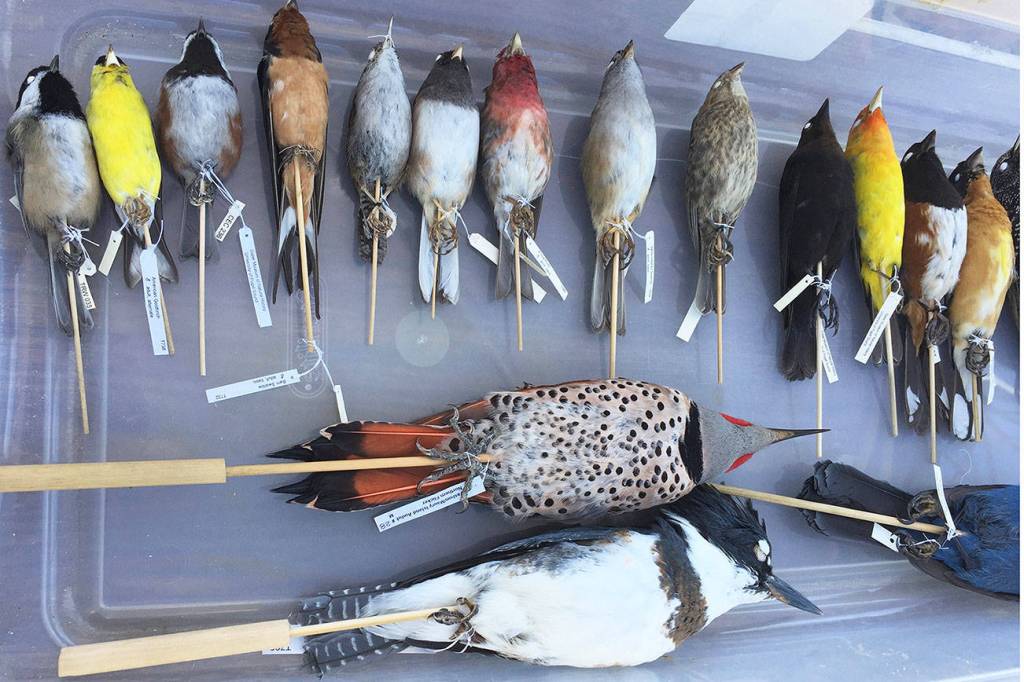
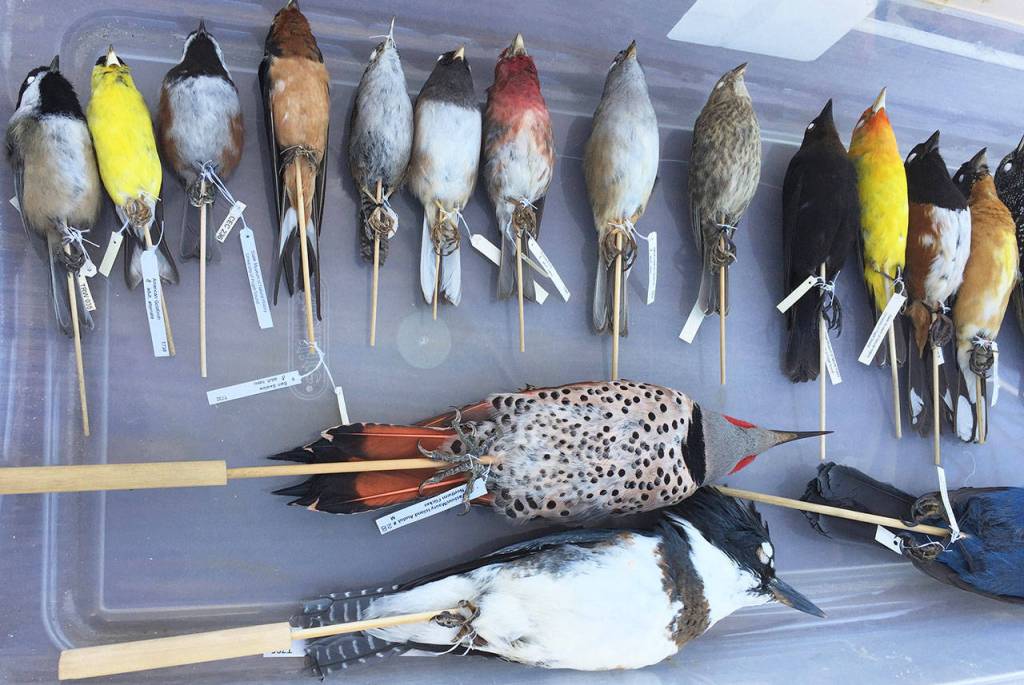
After grieving, I decided to honor this sacrifice to my selfish need for windows by donating his body to science. I wrapped him in a newspaper cone and delivered him, along with the particulars of the accident, to a blue cooler off Bank Road that belongs to Vashon resident Gary Shugart. As collections manager for the Slater Museum of Natural History at the University of Puget Sound, Shugart prepares birds to be used as scientific research specimens and for the museum’s collection and outreach programs. According to Shugart, my Pacific wren could be noted in a scientific paper someday or used in a classroom. He’ll also achieve some form of digital immortality by being catalogued on a National Science Foundation database. I’d seen specimens from the Slater collection over the summer. Besides being beautiful, it offered me a rare view of wild birds. Knowing my bird would be a part of this scientific collection was some consolation for the loss.
According to Ed Swan’s “The Birds of Vashon Island,” Pacific wrens are a fairly common resident of Vashon’s woods. They’re a recent species split off from similar wrens spread around the Northern Hemisphere and back through history and mythology. Swan recounts several stories from the Druids. They believed wrens were sacred and sacrificed them in place of their divine king during a winter solstice ritual to rejuvenate the land. Another legend says the wrens became known as the king of all birds when they won a soaring contest by hiding in an eagle’s feathers. It was comforting to know history confirmed this little bird’s excellence.
You’re more likely to hear a Pacific wren than see one. They’re barely 4 inches of feather, attitude and song. The epitome of twittering, they don’t sing songs as much as they release a swarm of notes into the woods. An entire chapter of author Lyanda Lynn Haupt’s book “Rare Encounters with Ordinary Birds,” is devoted to their amazing songs. Haupt describes “a waterfall of a song, bubbling upward from the forest understory.”
Haupt has written several extraordinary books about ordinary birds. Her latest, “Mozart’s Starling” begins with the personality and colorful history of a smart, gregarious, but much-reviled bird. Haupt says writing a book about her own pet starling, Carmen, and the starling that sometimes inspired Mozart “started innocently enough, then led down a rabbit hole that connected to music theory, chaos theory, opera and linguistics, so that this small story became a big one.”
Haupt shows that paying attention to the nature near us can connect us to science, culture and community. With a fraction of the effort she invested in learning about her starling, my encounter with a tiny wren taught me a bit about Druid history, introduced me to ideas about music in nature and connected me to outstanding resource for natural history in our community. So for that I’m grateful for his sacrifice.
Lyanda Lynn Haupt will speak about her book, “Mozart’s Starling,” on Thursday, Nov. 9. See the calendar on this page for details.