Staying safe: Get smoke alarm help and learn flu shot facts
Published 3:45 pm Wednesday, October 22, 2025
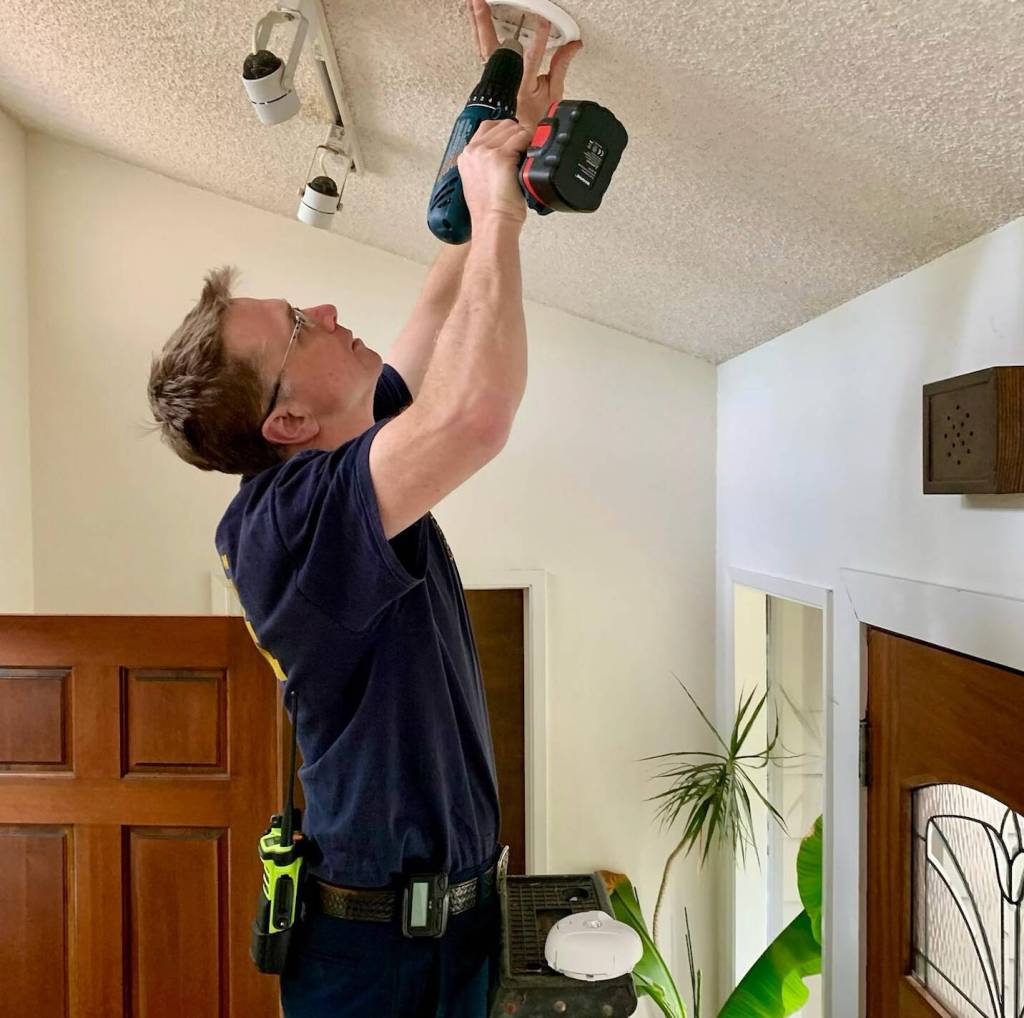
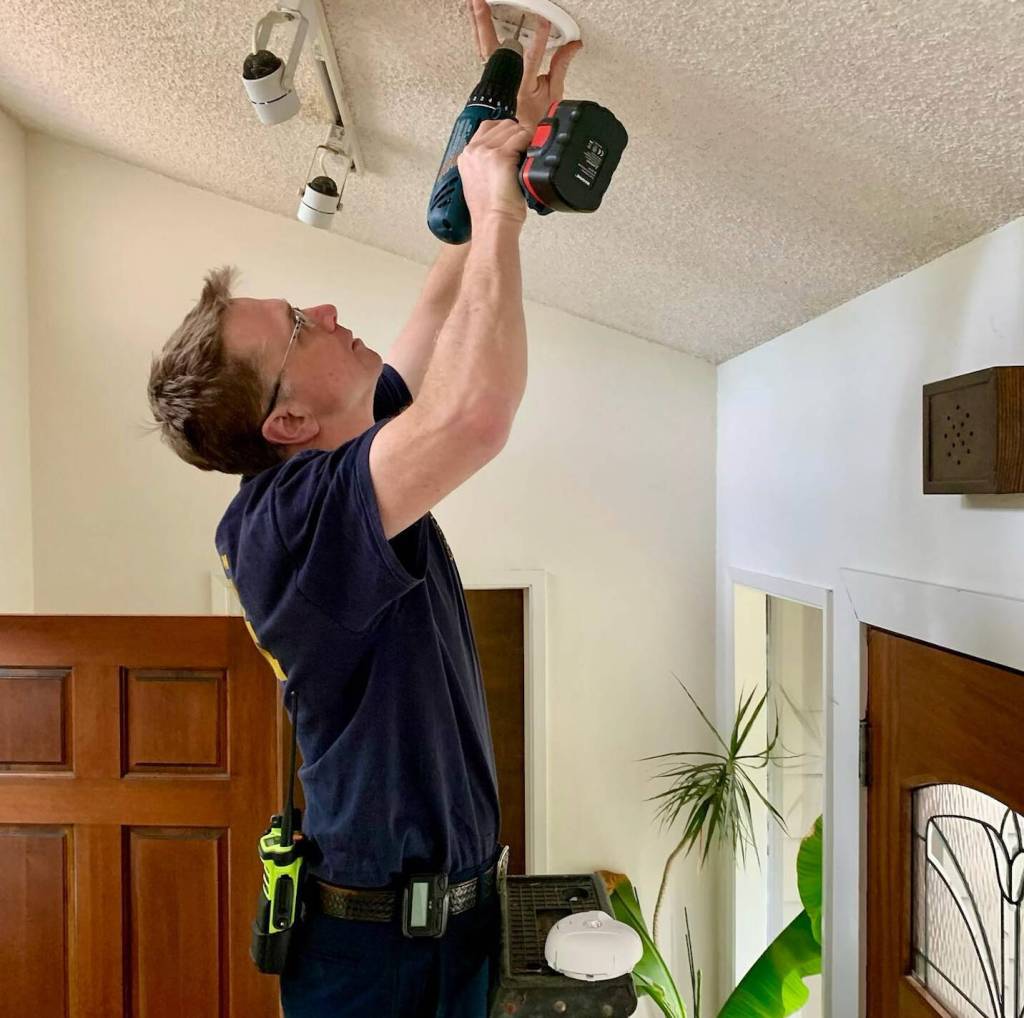


Three of five home fire deaths happen in homes without working smoke alarms.
But Vashon Island Fire & Rescue can help: firefighters will bring and install new smoke detectors and/or replace batteries in existing ones — free of charge.
To use this valuable service, call 206-463-2405, email administration@vifr.org, or fill out the form at vifr.org/smoke-alarms. (Note that hardwired smoke alarms must be installed or removed by a licensed electrician. VIFR cannot provide this service.)
Here are more tips, courtesy of VIFR:
• Install smoke alarms in every bedroom, outside all sleeping areas, and on every level of your home, including the basement. Place smoke alarms on the ceiling, or high on a wall. To reduce false alarms, place them at least 10 feet from the kitchen stove.
• Consider acquiring smoke alarms that have strobe lights and bed shakers for people who are hard of hearing or deaf.
• To make sure your smoke alarms work, press the test button monthly.
• Replace all smoke alarms that are 10 years old or older. Never paint over smoke alarms.
New Feature: Correcting the Record
We’re all bombarded with news stories and online content, much of it conflicting. It’s become difficult to know what or who to believe.
VashonBePrepared volunteers, who include medical and preparedness experts, often receive questions about news items. We’re starting this feature to address some of those questions. Send us your ideas for our next article on correcting the record by emailing info@vashonbeprepared.org.
First we’ll sort out influenza (flu) vaccine myths and facts.
Flu Vaccine Myths and Misconceptions
First, some flu facts: Influenza is a respiratory virus that infects the nose, throat, and lungs. About 10-20% of Americans catch the flu each year, and some become very sick or even die. It’s important to reduce the risk of your family and friends catching the flu, especially if they have chronic conditions that make them more vulnerable to serious illness. If you protect yourself, you reduce the spread of flu and help protect others.
The ways to protect yourself from flu are the same as for other respiratory viruses: wash hands frequently and thoroughly, avoid indoor crowds, and get vaccinated. If you have questions about whether and when to get a flu vaccination, ask your healthcare provider. People aged six months and older can get a flu shot. A vaccine nasal spray, LAIV4, is also available from some providers.
October is a great time to get your flu vaccination, for protection during fall and winter holidays.
Myth: The flu vaccine causes the flu.
Fact: The flu vaccine is an inactive (killed) form of the flu virus that helps your body build up antibodies so they’re ready to protect you when exposed to the flu virus. The flu vaccine is safe, with very few side effects; some people may have a mild reaction to their flu vaccination, such as a sore arm near the vaccination site.
Myth: Once I’ve had the flu shot, I can’t catch the flu.
Fact: The flu vaccine helps the body fight off exposures to the flu so that you’re less likely to get sick, and reduces the risk of serious disease or death for those who do get sick.
Myth: I can’t get the flu vaccine because I’m pregnant, breastfeeding, or have a condition.
Fact: Pregnant and breastfeeding people should get the flu shot. Pregnancy increases the risk of complications from the flu. The flu shot cannot cause your nursing baby to get sick.
Those with the following conditions should speak with their healthcare provider to make sure it’s safe for them to get vaccinated:
• People who have had a severe allergic reaction to a flu vaccine in the past.
• People who previously developed Guillain-Barré Syndrome within six weeks of getting a flu vaccine.
Get more information and sign up for VashonBePrepared newsletters and alerts at vashonbeprepared.org.