VashonBePrepared: Water safety in the heat
Published 1:30 am Wednesday, July 9, 2025



On a hot day, the water invites you to take a dip, go for a paddle in your kayak, or stroke along on your stand-up paddleboard. These are excellent fun and great ways to cool off.
Taking some basic and easy precautions can help keep you and your loved ones safe. We’ve compiled a safety checklist drawing on sources such as the Coast Guard and the Washington State Department of Health (DOH).
• On a hot day, the water may be nice and warm on the surface, but it’s probably cold below. Any time you suddenly move from hot air into cold water, there’s a risk of cold-water shock incapacitating you. That’s true even for strong swimmers.
• Swimmers in our cold Puget Sound waters will benefit from a wetsuit or drysuit, should always have a buddy nearby or swim where there’s a lifeguard, and should ease into cold water carefully.
• Always supervise young children playing in or near the water. Know where your child is, who they are with, and when they are expected back.
• Educate everyone in your group that swimming is more difficult in open water, such as rivers, lakes, Puget Sound, and the ocean, which includes different hazards than a pool used for swimming lessons.
• Every time you go boating or go out on a paddle craft, wear a Coast Guard-approved life jacket that fits and is properly secured. There are life jackets designed for the physical freedom required for rowing or paddling.
• Be a role model. If parents wear a life jacket, it’s more likely that the kids will wear one.
• Label your watercraft. An “If Found” sticker on your kayak or other vessel speeds rescues and prevents unnecessary searches.
• Carry two types of waterproof communication devices. A marine-type walkie-talkie radio, personal locator beacon, or waterproof cell phone can summon help if you get caught in a current or become separated from your boat.
• Stay sober. Alcohol is a factor in nearly one-third of fatal boating incidents.
For more information to help you stay safe on or in the water, you can visit the Coast Guard at tinyurl.com/CGWaterSafety, or the Washington State Department of Health at tinyurl.com/SafePaddling.
World’s Largest Disaster Exercise
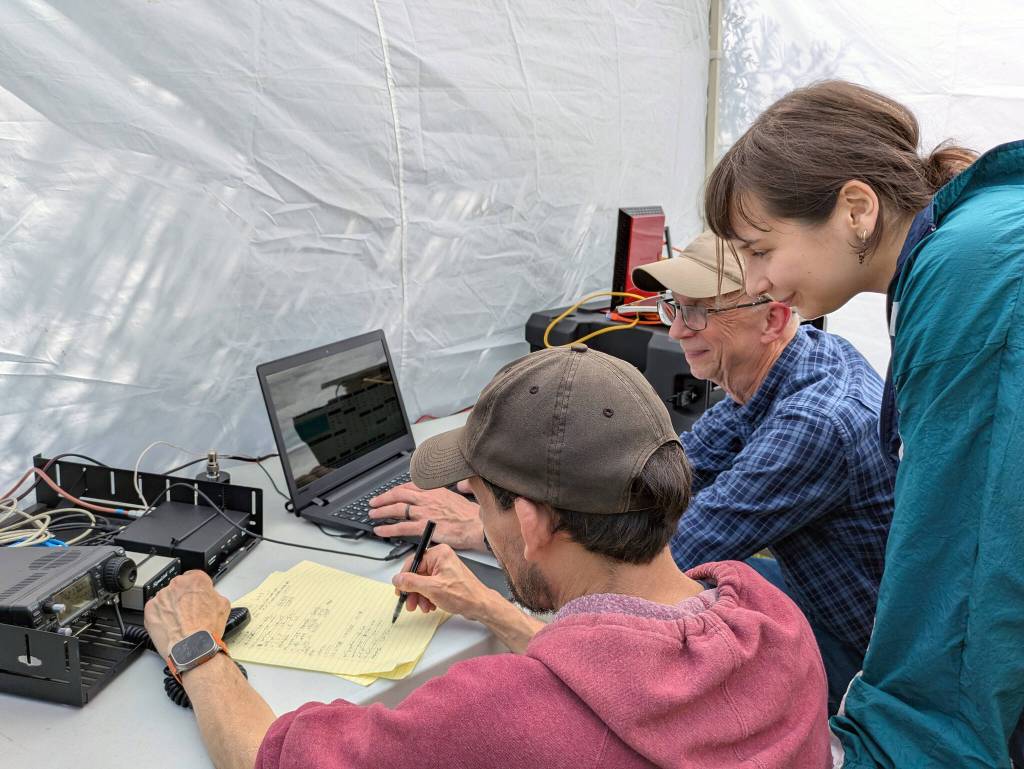
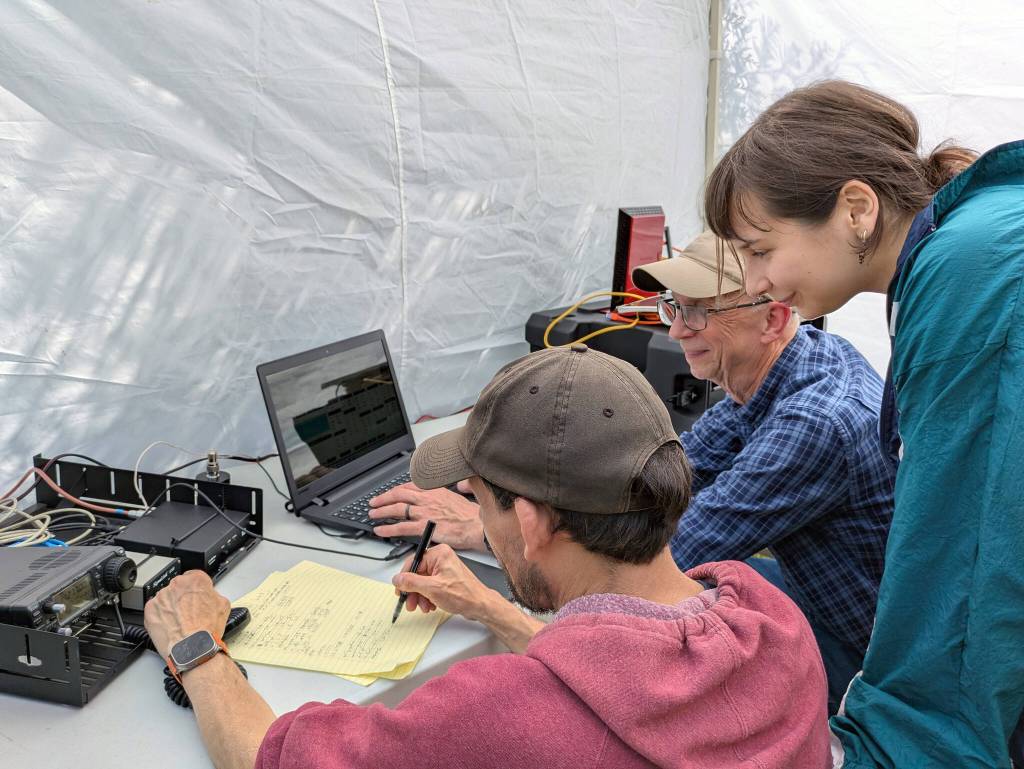
Each year on the last weekend in June, Amateur Radio operators (Hams) set up temporary radio stations using emergency power. During this event, called Field Day, operators try to communicate with other operators over a 24-hour period to test a communications capability that’s vital in a major disaster.
Our Vashon Maury Island Radio Club (www.w7vmi.org) participated again this year, joining more than 31,000 Hams at thousands of such Field Day locations throughout North America. That makes Ham Radio Field Day the world’s largest volunteer disaster exercise. Their motto: “When all else fails, Ham Radio.”
Vashon Maury Island Radio Club volunteers went on the air for Field Day on the weekend of June 28th. They confirmed connections with Hams in 20 states, including Vermont and Alaska, plus some stations in Canadian provinces.
The Vashon team ran primarily on generator power but also operated for six hours on solar and battery power. They were also fueled by two dozen cookies, two dozen hot dogs, lots of baked beans and macaroni salad, and even lattes to order.